Wolbachia mosquitoes cut dengue 69% in Brazil children study
A study of more than 5,700 children in Brazil found about 69% fewer dengue and chikungunya infections where Wolbachia mosquitoes were released. The findings come as Florida deals with its largest dengue outbreak of any US state since at least the 1940s.
For information only, not medical advice. Talk to a doctor about your own health.
- Study in Belo Horizonte, Brazil, involved more than 5,700 children
- Infections of dengue and chikungunya fell by about 69% in areas with Wolbachia mosquitoes
- Florida has recorded more than 650 locally acquired dengue cases
A specially bred mosquito appears to give strong protection against dengue and chikungunya, according to a new study reported by The Independent. The work involved more than 5,700 children in Brazil.
In neighbourhoods where mosquitoes carrying Wolbachia bacteria were established, infections with the two diseases were about 69% lower than in comparable areas without them. Dr Sri Edupuganti of Emory University described the result in those terms. The protective effect held during Brazil's severe 2024 dengue outbreak.
The research was carried out in Belo Horizonte. Because people with mild symptoms may never be diagnosed, the team tested blood for dengue, chikungunya or Zika virus rather than relying on diagnoses alone. The findings were presented at a meeting of the American Society of Tropical Medicine and Hygiene.
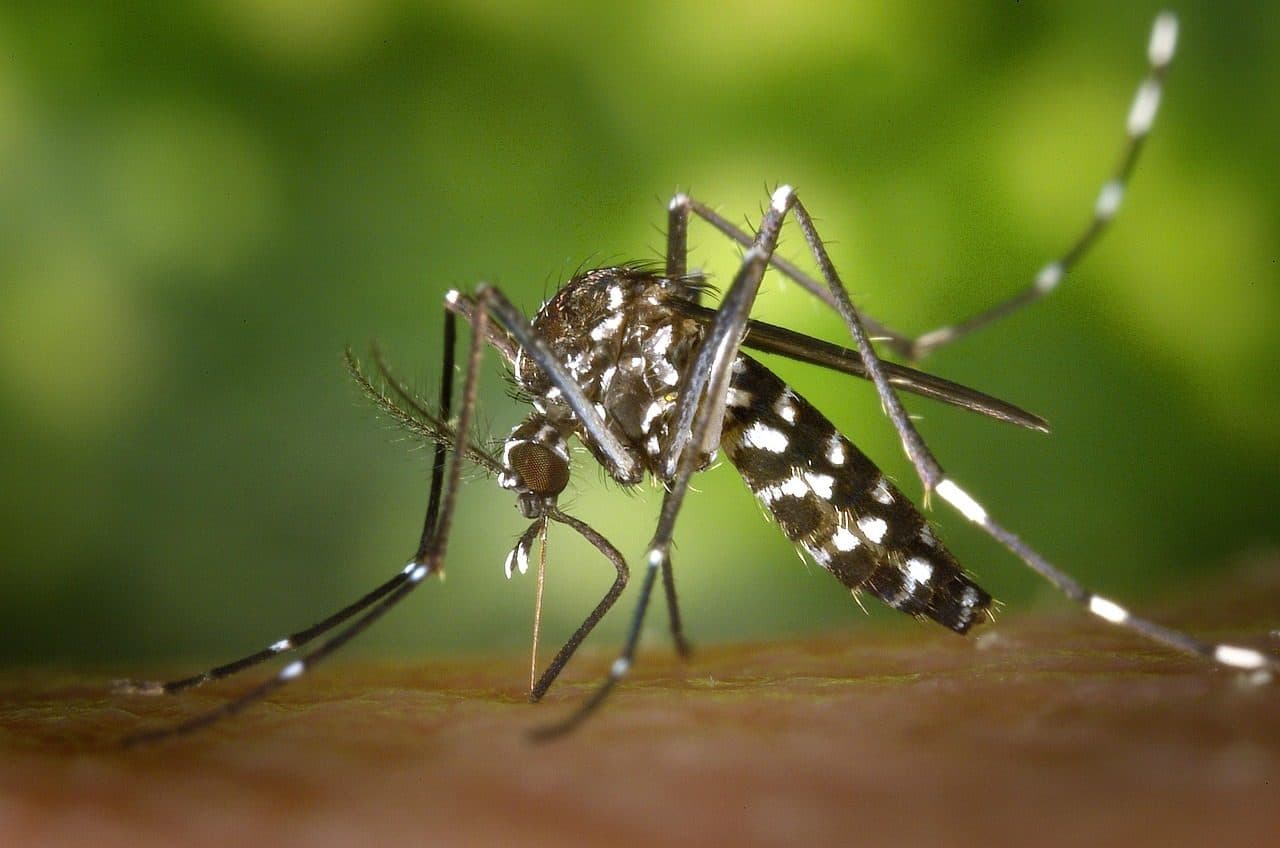
Wolbachia is a bacterium that is harmless to people and common in many insects, but not in Aedes aegypti, the mosquito that carries dengue. It sharply reduces the insect's ability to pass on certain viruses. Female mosquitoes hand the bacteria to their offspring, so releasing enough of the bred insects lets it spread through the local population.
The nonprofit World Mosquito Program has pioneered the approach outside the United States. Field trials in Indonesia and elsewhere have already shown it can significantly lower dengue diagnoses. The new study adds evidence that breeding mosquitoes unable to transmit viruses can work as a strategy instead of depending on pesticides.
The results arrive as Florida faces an unusually large outbreak, the biggest in any US state since at least the 1940s. As of Friday, health officials there had counted more than 650 locally acquired dengue cases, about three-quarters of them in Hillsborough County, home to Tampa.
Dr David Hamer, a global health expert at Boston University who was not part of the Brazilian study, said: "This is really exciting". He predicts that combining Wolbachia mosquitoes with existing disease-control measures could push dengue to much lower levels in many places.
Background
khabr.pk reported on 1 November that confirmed dengue cases in Rawalpindi had reached 84, according to the District Health Authority, with 6,382 people screened this year and no dengue death reported in the district.
Why it matters for Pakistan
Dengue is a serious health threat in Pakistan, where districts such as Rawalpindi record and screen for cases every year. The Brazil study offers new evidence on a way of controlling the Aedes mosquito that does not rely on pesticides. The reports describe results from Brazil and trials in Indonesia, not from Pakistan, so how the method would apply here is not covered.
Get khabr.pk news on Facebook and YouTube
Short news videos every day, and the day’s top stories in your feed.