Aurangzeb presses for power market overhaul to cut bills
Finance Minister Muhammad Aurangzeb chaired a steering committee meeting on power sector regulation at the Finance Division in Islamabad. The government is working to finalise a revamped market structure meant to bring competition and keep electricity affordable.
For information only, not investment advice. Prices change quickly: check the time and source of every figure.
- Government is finalising a revamped power market structure, Business Recorder reported
- Roles of Nepra and the Competition Commission of Pakistan are to be clearly defined
- Officials were told to settle open technical and policy issues before the next meeting
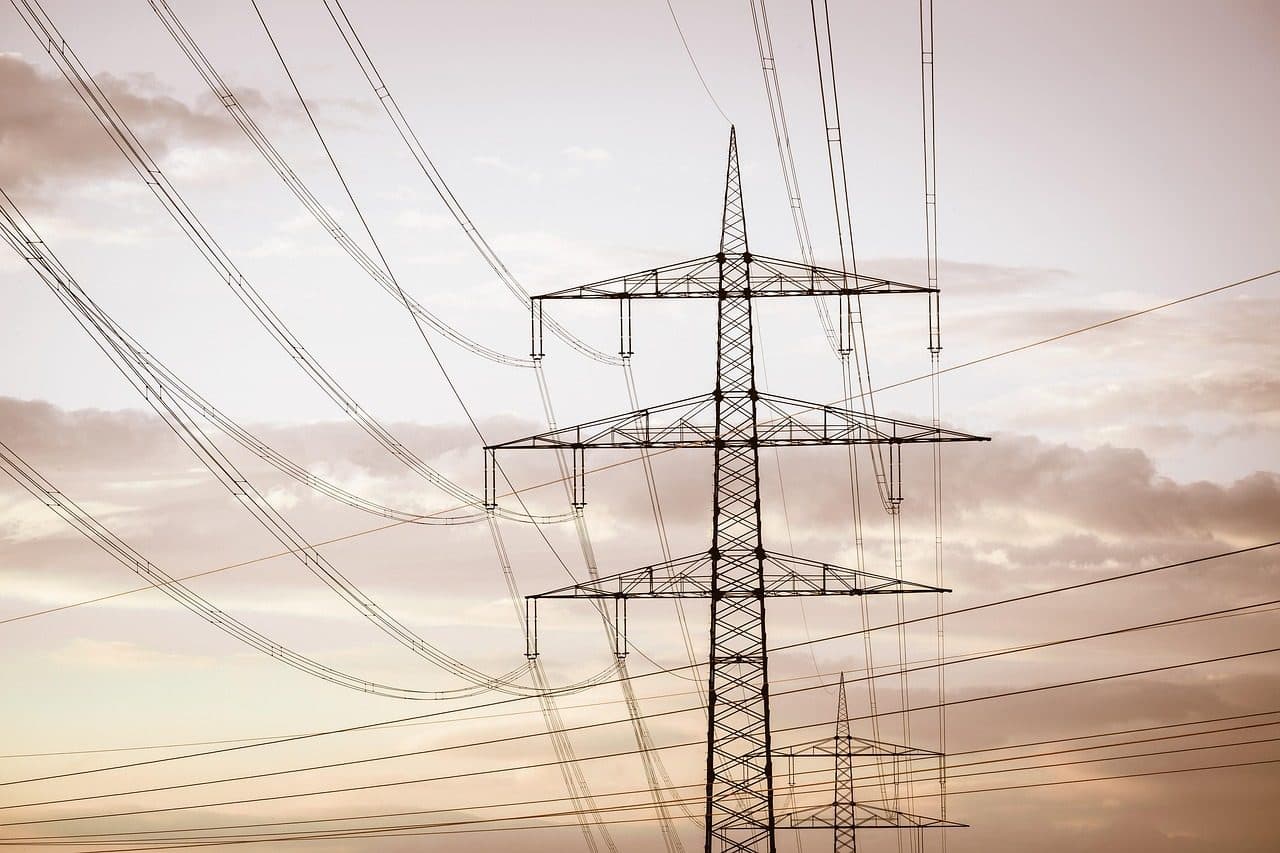
The government is moving to finalise a revamped structure for the power market, Business Recorder reported. The aim is to promote competition, encourage private investment and ensure affordable electricity for consumers.
Finance Minister Muhammad Aurangzeb chaired a meeting of the Steering Committee on Power Sector Regulatory Regime at the Finance Division. The plan also seeks to set out clearly what the National Electric Power Regulatory Authority (Nepra) and the Competition Commission of Pakistan (CCP) are each responsible for.
According to TechJuice, the reforms under review are meant to lower electricity costs, improve service quality and draw in private investment. Aurangzeb called for the changes to be completed quickly while keeping power affordable for households, businesses and industries.
Officials went through recommendations from the Technical Working Group. Talks covered how tariffs are structured, incentives for investors, certainty in regulation, standards of service and ways to cut losses in transmission and distribution.
The committee looked at proposals to strengthen the Multi-Year Tariff framework by rewarding distribution companies that improve efficiency and service and reduce losses. Participants also discussed returns on equity, inflation adjustments and ways to share efficiency gains with consumers.
The meeting considered the effect of growing solar use, battery storage and shifting patterns of electricity use. Officials discussed how surplus generation capacity and falling demand from the grid add to capacity payment pressure, which could affect tariffs.
Changes to the Competitive Trading Bilateral Contract Market framework were examined to match supply better with consumer demand. The committee also discussed moving to a competitive retail electricity market, privatising distribution companies and handling their remaining assets and liabilities.
Aurangzeb told officials to resolve the outstanding technical and policy questions and bring detailed recommendations to the next meeting. He restated the government's commitment to finishing the reforms within clear timelines.
Background
khabr.pk reported on 8 November that the government had prepared a new subsidy system to replace electricity and gas slabs, which the IMF wants from 1 January for power and February 2027 for gas.
Why it matters for Pakistan
Households, shops and factories pay the electricity tariffs that these reforms would shape. The committee discussed capacity payments, which are under pressure from surplus capacity and falling grid demand and could affect tariffs. Plans for rewarding distribution companies that cut losses and sharing efficiency gains with consumers bear on what bills reflect. The privatisation of distribution companies is also under discussion.}
Get khabr.pk news on Facebook and YouTube
Short news videos every day, and the day’s top stories in your feed.