Smog persists in twin cities; 2,700 patients seen at hospitals
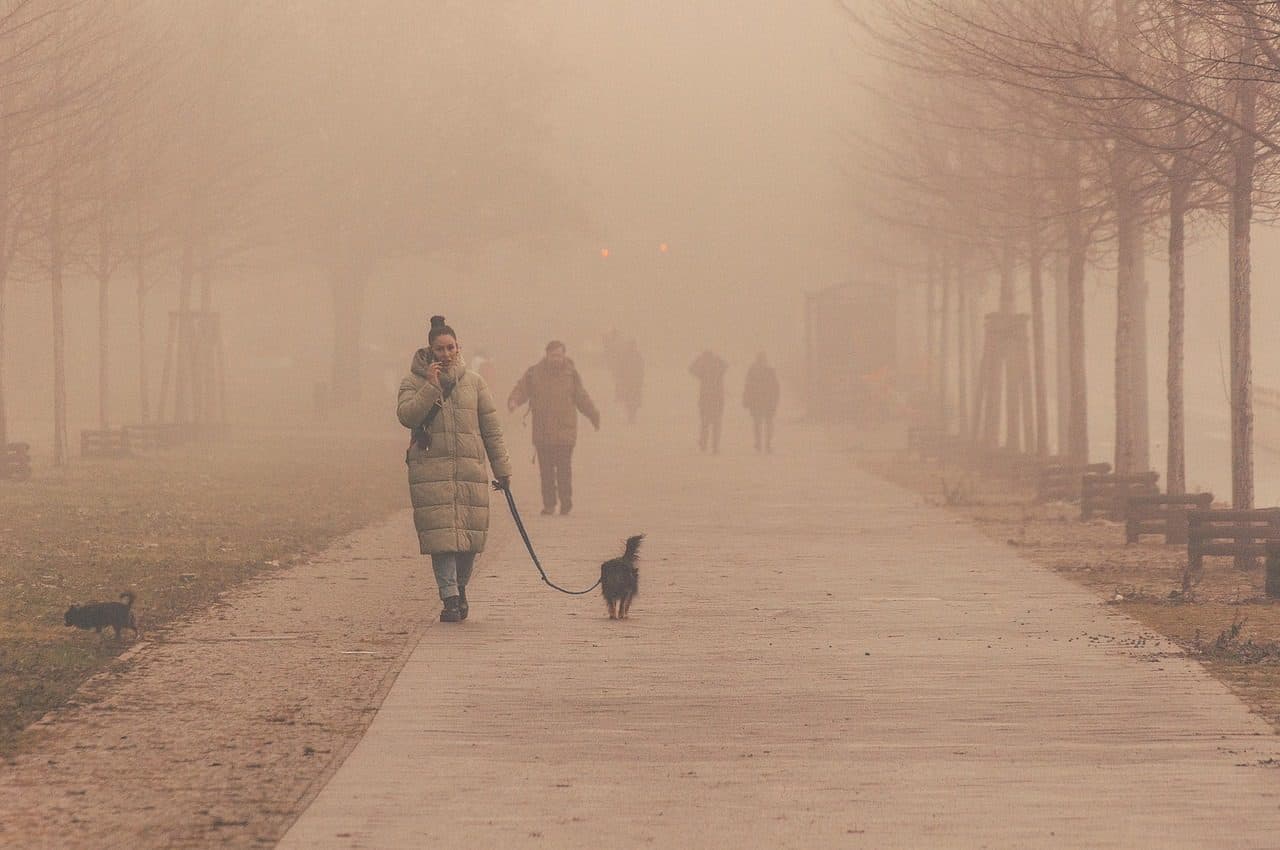
About 2,700 patients with breathing and eye complaints have visited three Rawalpindi hospitals in two days, the Express Tribune reported. Rain did little to clear the smog over Islamabad, Rawalpindi and other Punjab cities.
For information only, not medical advice. Talk to a doctor about your own health.
- Around 2,700 patients visited three allied hospitals in Rawalpindi in two days
- AQI: Islamabad 155, Rawalpindi 161, Lahore 291, Multan 400, Faisalabad 500
- Face masks made mandatory for schoolchildren in Rawalpindi
The Express Tribune reported that smog has stayed over Rawalpindi and Islamabad even after a day of rain, and that hospitals are seeing a rise in patients with illnesses linked to poor air.
According to the newspaper, nearly 2,700 patients came to the three allied hospitals in Rawalpindi over the past two days. They complained of breathing difficulty, sore throats, inflammation, eye irritation, colds and asthma.
Air pollution fell only slightly after the rain in the twin cities and other parts of Punjab. The Air Quality Index remains in the unhealthy to hazardous range in several cities. The latest readings were 155 in Islamabad, 161 in Rawalpindi, 291 in Lahore, 244 in Gujranwala, 400 in Multan, 500 in Faisalabad and 116 in Murree.
The Environment and Climate Change Department had said rainfall would help clear the smog, but conditions have remained largely unchanged. The report said efforts to control pollution have so far produced no significant results.
The newspaper named several sources of pollution. Brick kilns keep releasing thick black smoke, especially after sunset, and run through the night until 6am. Factories, stone-crushing plants and machinery that raises dust also add to it, while public transport and heavy waste disposal vehicles emit excessive smoke.
Deputy Commissioner Nadeem Nasir has made face masks compulsory for schoolchildren because of the worsening air. Residents are advised to drink warm beverages such as green tea, soup and broth, avoid unnecessary time outdoors and keep doors and windows shut.
The district administration said action against smoky vehicles, brick kilns and factories is under way. In Islamabad, Minister of State for Interior Talal Chaudhry has told the relevant departments to act together to curb smog and cut pollution, and announced strict action against vehicles, industrial units and individuals who break environmental laws.
Background
khabr.pk reported on 11 November that the Punjab government had ruled out closing schools and colleges despite heavy smog, while the Environment Protection Department had shut more than 30 factories for burning tyres.
Why it matters for Pakistan
Residents of Rawalpindi and Islamabad are dealing with rising respiratory illness while smog hangs over the cities. Parents of schoolchildren in Rawalpindi must now ensure their children wear masks. Families are being advised to keep windows closed and limit outdoor time, and the hospital figures show the pressure on the three allied hospitals in Rawalpindi.
Get khabr.pk news on Facebook and YouTube
Short news videos every day, and the day’s top stories in your feed.