Two tankers hit in Strait of Hormuz, UKMTO says; no casualties
Britain's maritime agency UKMTO said two tankers were struck by unidentified projectiles near Oman on Saturday, with no casualties reported. Iran separately said a tanker caught fire after hitting a mine.
- UKMTO reported two tankers hit near Khasab, Oman, on Saturday
- No casualties were reported at the time
- Iran's navy said a separate tanker burned after hitting a mine
- Al Jazeera cited Iranian forces as reporting about 25 incidents in a week
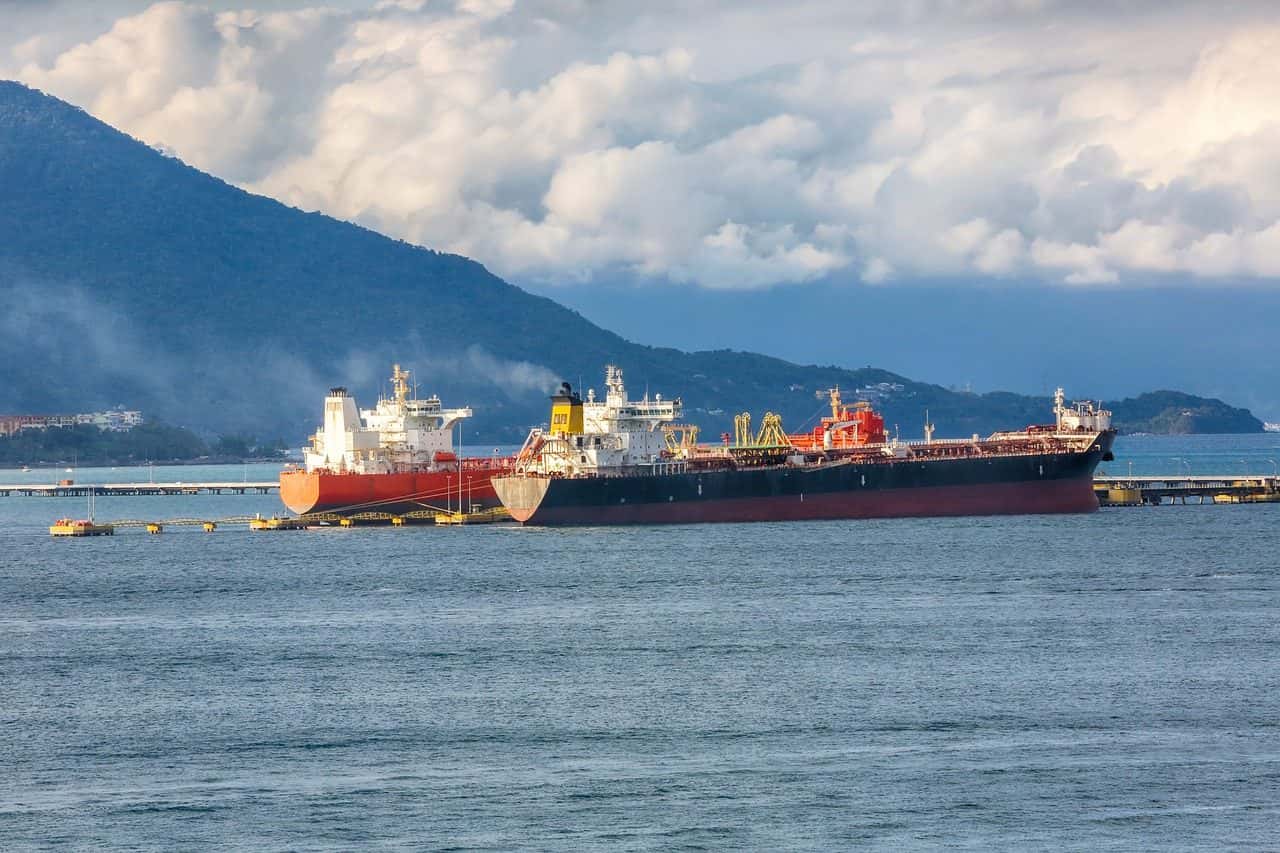
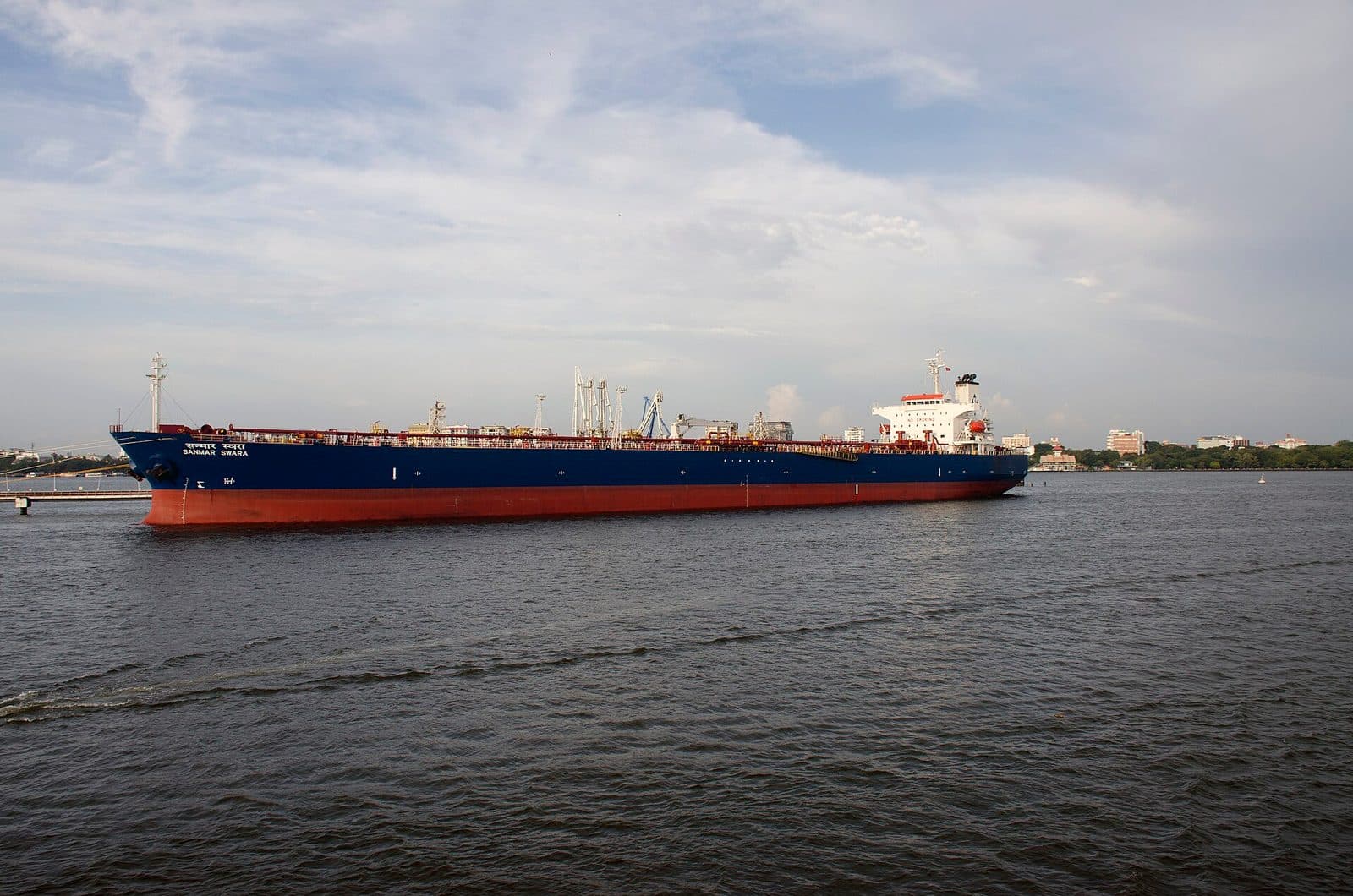
Two tankers were struck by unidentified projectiles in the Strait of Hormuz on Saturday, according to the UK Maritime Trade Operations (UKMTO), a British maritime agency. Both incidents were reported near Oman, and no casualties were reported.
UKMTO said: "A tanker transiting outbound in the Strait of Hormuz has been hit on the stern by an unknown projectile. There are no reported casualties at this time." Al Jazeera reported that this tanker was hit about 20km north of Khasab, a port town on Oman's northern coast.
A second tanker was struck in its engine room, about 31km east of Khasab, according to Al Jazeera. It was not clear whether the two reports involved separate vessels.
Iran gave its own account. Its navy said an oil tanker caught fire after hitting a naval mine in a restricted zone east of the strait. It said the ship had ignored warnings and was sailing with its identification and navigation equipment turned off. This account could not be independently verified, and it is unclear whether that vessel was one of those in the UKMTO reports. Arab News also reported Iran saying a ship was on fire.
Al Jazeera's correspondent in Tehran, Resul Serdar, said tanker incidents had risen sharply over the past week. Citing Iran's armed forces, he said about 25 incidents had been reported since the previous Saturday, roughly three a day. He said: "This is becoming a pattern."
Iran says ships crossing the strait must coordinate fully with its authorities and keep to lanes it sets, and that those that do not will be attacked or will hit mines laid by the IRGC or Iranian forces. Serdar said Tehran was signalling that if it could not export its oil, others would not be able to either, and that it remained in control of the strait.
The war began with US and Israeli strikes on Iran in late February. Before it, about one-fifth of the world's oil and natural gas passed through the strait. The US has blockaded Iranian ports and its navy has been escorting tankers through the waterway.
Background
khabr.pk reported on 19 November that a tanker was struck in its engine room about 6 nautical miles north of Khasab, with all crew safe. On 16 November it reported Iran's Revolutionary Guards saying six tankers had caught fire near Hormuz since Sunday, and on 18 November an ADNOC vessel was attacked with one crew member missing. khabr.pk also reported on 19 November that Iran and Oman were reported to be near an understanding on a shipping corridor.
Why it matters for Pakistan
Hormuz carries a large share of the world's oil, so attacks on tankers there bear on fuel costs in Pakistan. khabr.pk recorded petrol at Rs322 per litre and high-speed diesel at Rs357 per litre on 20 November. Pakistan imports fuel that depends on Gulf shipping, so disruption on the route is closely watched by importers and households.
Get khabr.pk news on Facebook and YouTube
Short news videos every day, and the day’s top stories in your feed.