US curbs ship-to-ship oil transfers as Iran blockade tightens
US Central Command warned on Wednesday that ships taking cargo at sea from vessels loaded in Iran could face action. Iran says its economy can withstand the pressure, while economists expect inflation to climb.
- CENTCOM advisory says ships receiving cargo at sea from Iran-loaded vessels will be seen as evading the blockade
- The blockade began on April 13, was lifted in June and reimposed on July 14
- Iran's official figures show GDP fell 10.1 percent year-on-year from March 21 to June 20
- A third US aircraft carrier has entered the region
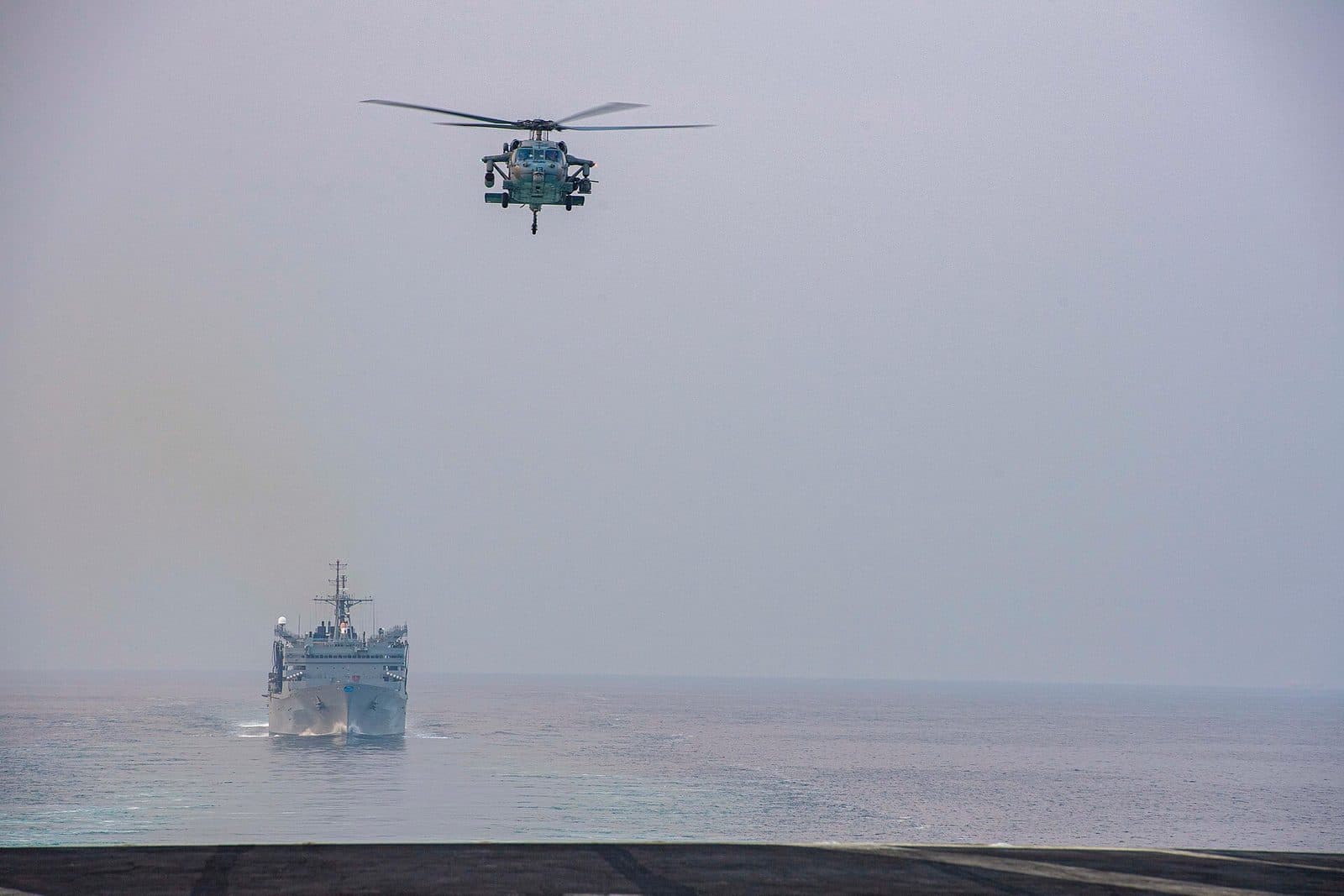
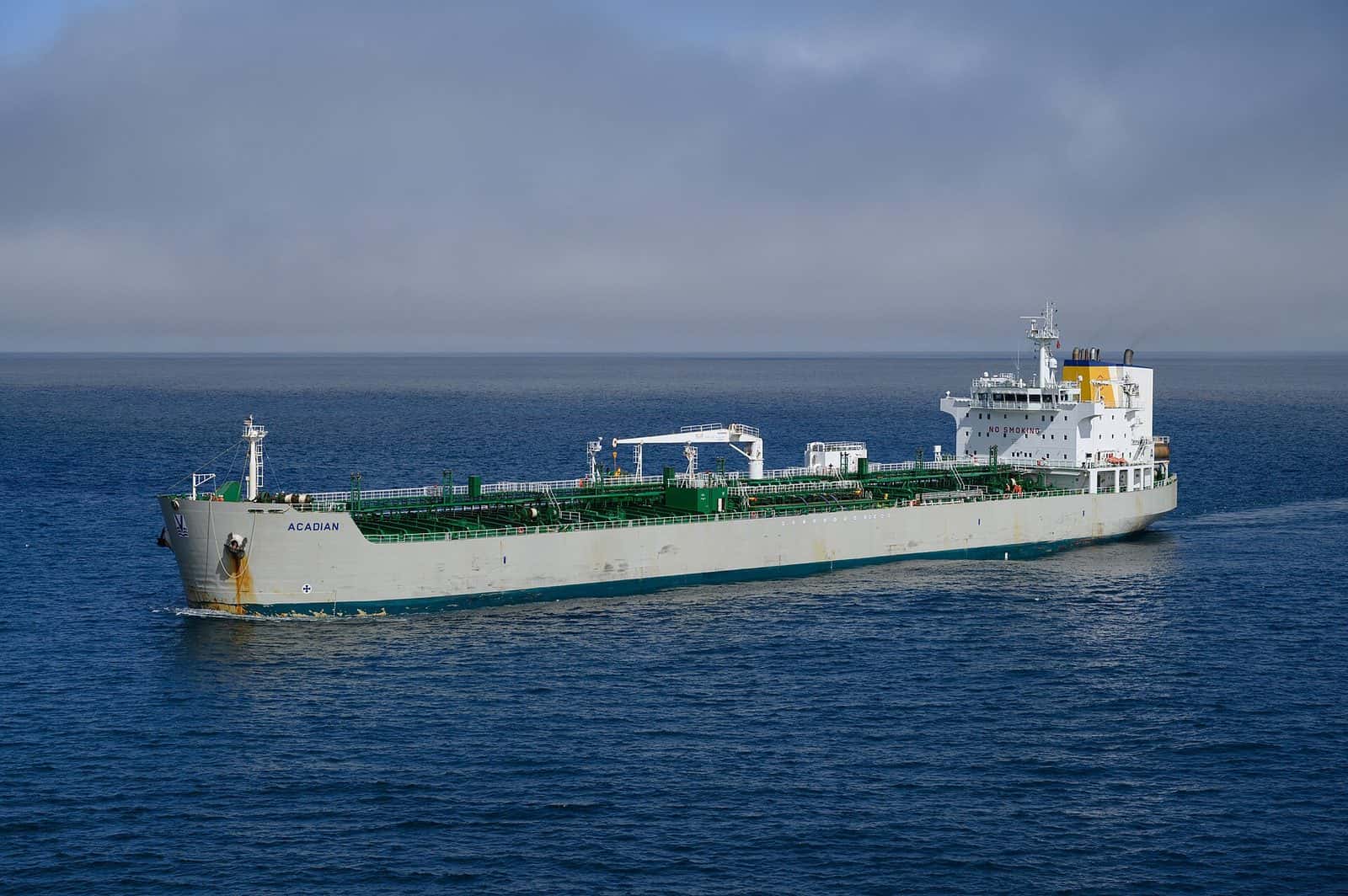
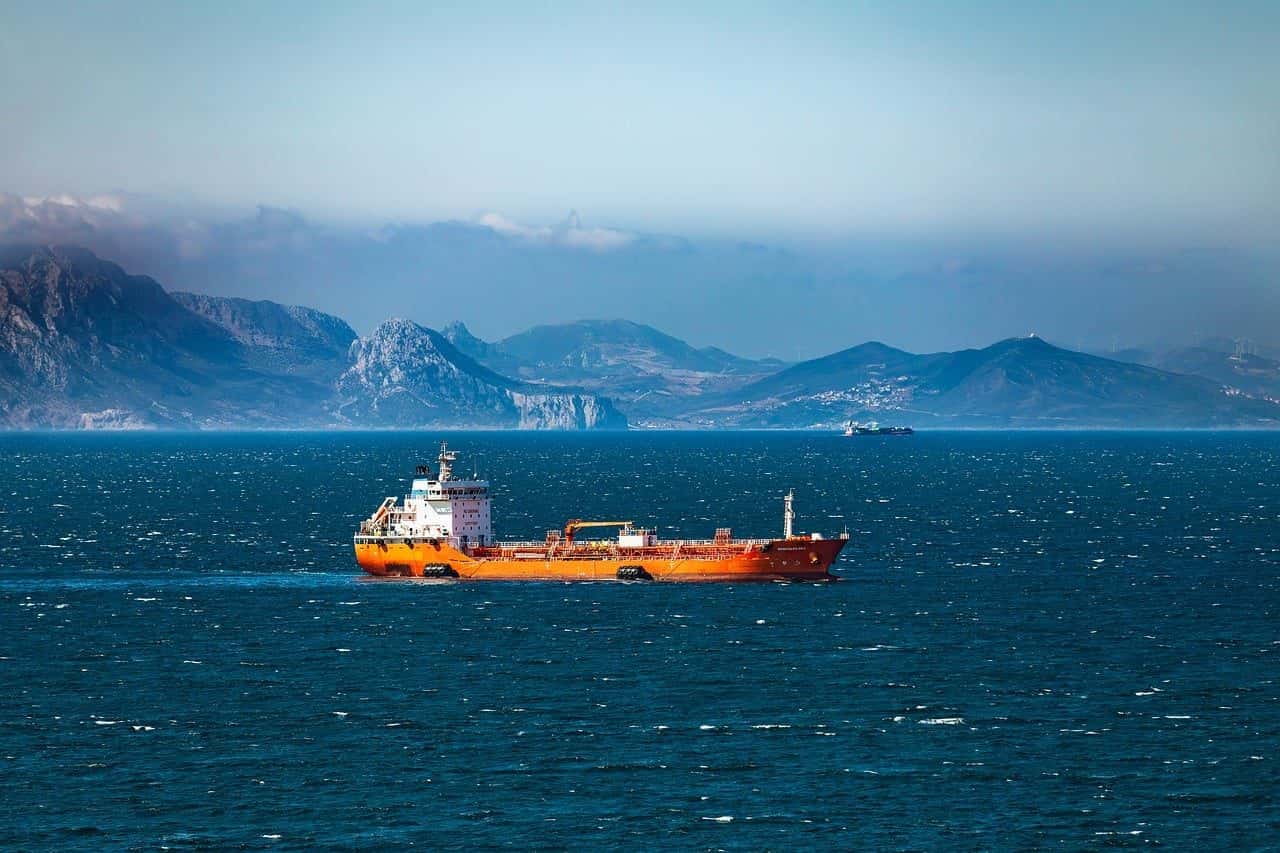
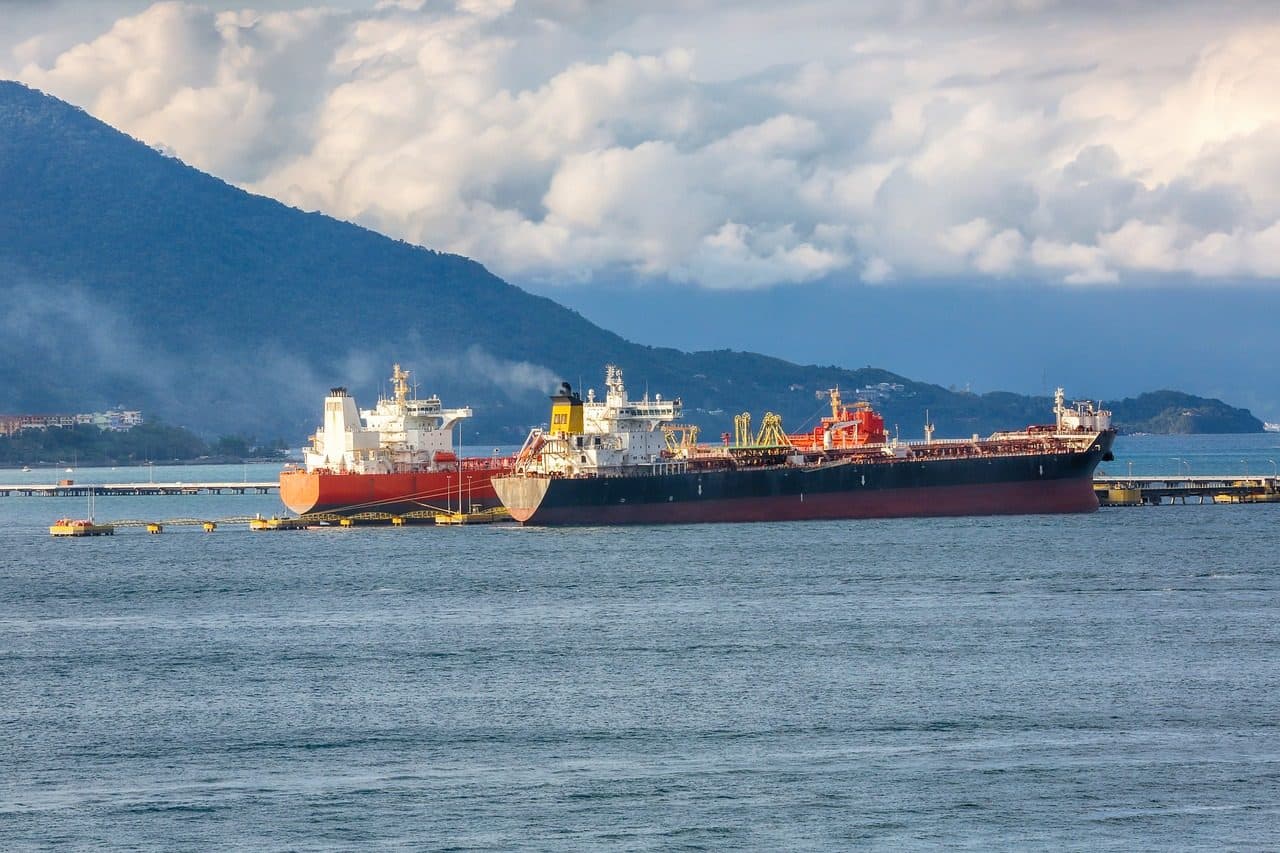
US Central Command (CENTCOM) issued an advisory on Wednesday saying that any vessel receiving cargo at sea from a ship that loaded in Iran will be regarded as trying to get around the US blockade of Iranian ports. Arab News reported that the US military could take action against such ships.
The naval blockade on Iran-related oil exports was first imposed on April 13. It was lifted in June after Washington reached a draft understanding with Tehran, then reimposed on July 14 once that agreement collapsed, according to Arab News. The International Energy Agency says the Middle East crisis is the largest threat to energy security ever.
Al Jazeera reported that the blockade is hurting Iran's economy, which is expected to shrink further, but that experts say it is too early to know whether the pressure will bring down the government or push it to accept US demands. Washington has demanded that Tehran reopen the Strait of Hormuz and curb its nuclear programme. The US has also moved a third aircraft carrier into the region.
Iran's official figures show GDP contracted 10.1 percent year-on-year between March 21 and June 20. The Statistical Centre of Iran put 12-month average annual inflation at 76.8 percent for the month of Mehr, which ended October 22, and point-to-point inflation at 88.7 percent. Food, beverages and tobacco inflation reached 113.4 percent year-on-year in October.
US Treasury Secretary Scott Bessent claims the embargo will cause Iran's economy to contract 25 percent by the year ending March 2027, and described the situation as one of the fastest collapses in history. Tehran-based economist Peyman Molavi said annual inflation could reach about 85 percent and point-to-point inflation 100 percent if conditions persist, with money supply growth rising to 55-60 percent from nearly 51 percent by late March. He said: "This will impact parallel markets like foreign currencies, gold, the stock market and housing,"
Iranian officials say the economy can cope. Central Bank Governor Abdolnaser Hemmati said the bank has secured $30bn in foreign currencies. Economy Minister Ali Madanizadeh said all overland routes to and from Iran remain open except the one with Iraq, which was closed for security reasons. He also said: "American officials believe they can achieve their goals through threats and raise something new each time; from the possibility of collapse to military threats and intensified economic pressure,"
A shopkeeper at Tehran's Grand Bazaar told Al Jazeera that supply and demand for goods have fallen since sanctions began to bite. Al Jazeera noted that recent strikes on US interests in the region, including radar systems in Bahrain, were seen as a defiant response.
Background
khabr.pk reported on 8 November that the US military disabled a cargo ship in the Gulf of Oman during the blockade and announced a task force to restrict Iran's land and Caspian routes. On 16 November we reported that the USS Theodore Roosevelt entered the region, joining two carriers already in the Arabian Sea. On 19 November we reported that Iran and Oman were nearing an understanding on a Hormuz shipping corridor, though no final agreement had been announced.
Why it matters for Pakistan
Disruption around Iran and Hormuz bears on oil prices, which feed into fuel costs in Pakistan. Petrol stood at Rs322 per litre and high-speed diesel at Rs355 on 18 November, according to khabr.pk records. Pakistani workers in the Gulf are also exposed to the wider regional conflict. The International Energy Agency's warning about energy security adds to concern for import-dependent households and businesses.
Get khabr.pk news on Facebook and YouTube
Short news videos every day, and the day’s top stories in your feed.