SpaceX catches Starship with tower arms after 14 orbits
The Starship upper stage came back to its Texas launch tower about 22 hours after liftoff and was caught by mechanical arms, a first. The first-stage booster, however, exploded after launch on Friday.
- Starship's upper stage was caught by tower arms in Texas on Saturday after orbiting Earth 14 times.
- The Super Heavy booster aborted its own catch and exploded over the Gulf of Mexico.
- The flight released 26 Starlink satellites and was the 15th full-scale Starship flight.
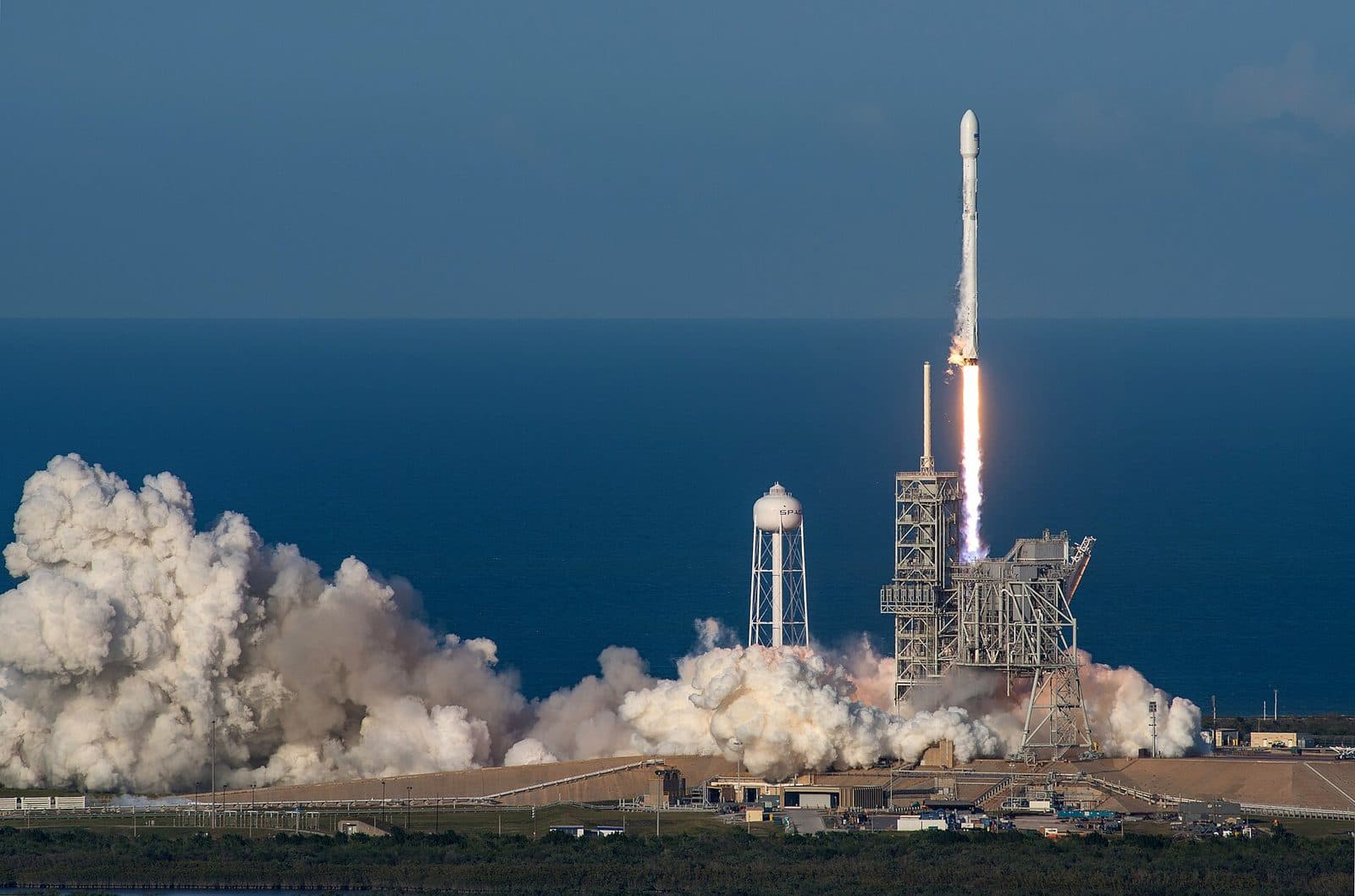
SpaceX's Starship spacecraft returned to its launch site in Texas on Saturday and was caught in mid-air by the giant mechanical arms of the launch tower. It was the first time the upper stage of the rocket had been recovered this way, and the catch happened at the place where the journey began roughly 22 hours earlier.
The rocket lifted off late Friday afternoon from SpaceX's Starship base near the US-Mexican border. The upper stage reached orbit, released 26 Starlink satellites and circled Earth 14 times at an altitude of 165 miles (265 kilometres). SpaceX said everything on the spacecraft, including its heat shield, appeared to work well.
The day was not a complete success. SpaceX had planned to catch both the Super Heavy booster and the spacecraft, but the booster's recovery was aborted. SpaceX's Kate Tice said its engines stopped firing too soon on the way back down. The booster's guidance system sensed it was out of position and automatically began its self-destruction. Wreckage remained in the Gulf of Mexico, cordoned off by buoys, and engineers are still investigating the cause.
SpaceX had caught the booster on three earlier flights, so the missed double catch fell short of the plan, while the spacecraft catch was new. This was SpaceX's 15th full-scale Starship flight since 2023 and its second trip to orbit. SpaceX officials said the catch shows the full reusability of Starship. NASA Administrator Jared Isaacman said of the catch: "It was almost magic". SpaceX commentator Dan Huot said on the broadcast: "Can you believe it?"
NASA welcomed the result. The agency is paying billions of dollars for a Starship version to carry Artemis astronauts to the lunar surface later this decade. The next mission, Artemis III, will stay in orbit around Earth so its four astronauts can practise docking their capsule with Starship and with Blue Origin's Blue Moon lander. NASA is aiming for Artemis IV, its first moon landing since the Apollo era, as soon as 2028.
DW reported that Elon Musk sees Starship as crucial to SpaceX's satellite business and as the vehicle for eventually taking humans to the moon and Mars. SpaceX expects to begin launching Starships from Florida's Kennedy Space Center within the next few months.
Background
khabr.pk reported on 12 November that a Pakistani astronaut will join China's Shenzhou-24 mission as a payload specialist, the first foreign astronaut to visit the Tiangong station. That story shows how crewed spaceflight is drawing wider international participation.
Why it matters for Pakistan
Readers in Pakistan follow space missions closely, and this week's coverage included a Pakistani astronaut's planned flight to China's space station. Reusable rockets are meant to cut the cost of launching satellites and crews, which affects who can afford to reach orbit. The catch is a step toward the full reusability SpaceX officials describe, although the booster failure shows the system is still being tested..
Get khabr.pk news on Facebook and YouTube
Short news videos every day, and the day’s top stories in your feed.