Science and health this week: polio, Ebola, brain maps, space
This week khabr.pk reported on polio vaccine funding for Pakistan, a major Ebola outbreak and new research on obesity, cancer and the brain. It also covered a Pakistani astronaut's planned flight and a drug safety alert in Karachi.
- Japan announced $4.3 million for more than 28 million polio vaccine doses for Pakistan's 2027 campaigns.
- DR Congo's health ministry data show 11,042 Ebola cases and 5,387 deaths.
- DRAP flagged nine fake or unregistered products on sale in Karachi.
- A Pakistani astronaut will join China's Shenzhou-24 mission.
This Sunday read gathers the science and health stories khabr.pk reported over the past week. The findings below are research results and agency announcements, not cures or medical advice.
Closest to home, khabr.pk reported on 13 November that Japan announced a $4.3 million grant to buy more than 28 million oral polio vaccine doses for Pakistan's 2027 campaigns. The Pakistan Polio Eradication Initiative will use the money. Pakistan has reported 8 polio cases so far in 2026, down from 31 in 2025.
On 9 November, khabr.pk reported that the Drug Regulatory Authority of Pakistan issued a rapid alert over nine counterfeit, adulterated or unregistered products in Karachi's markets. They include four mouthwashes, two eye-care medicines, two ear creams and a skin lotion. Provincial drug control teams were told to seize them, and consumers are urged to buy only from licensed pharmacies.
Abroad, khabr.pk reported on 11 November that Congo's health ministry data show 11,042 confirmed Ebola cases and 5,387 deaths. The outbreak is caused by the Bundibugyo strain, which has no vaccine or treatment developed specifically for it. Eight of the country's 26 provinces are affected, and it is the second-largest Ebola outbreak on record.
Several studies were also published. A study in Nature tested a two-step way to diagnose obesity beyond BMI, using waist measurements and organ function checks on data from 844,108 adults. Between 1.2 and 3.1 per cent of adults diagnosed by BMI did not have obesity under the framework. Researchers say thresholds for South Asian populations need further validation.
A Georgetown University study in JAMA Network Open suggests chemotherapy may speed up biological ageing in breast cancer survivors. Women on the most damaging regimens were estimated to lose 9.4 remaining life years on average. Researchers say exercise and some medications used for other purposes show promise in slowing the effect.
The US Food and Drug Administration is requiring a label warning on GLP-1 drugs such as Ozempic and Wegovy about NAION, a rare eye condition. In 126 trials it occurred in about 6 per 100,000 users a year, against about 4 per 100,000 in comparison groups. Anyone with sudden painless vision loss in one eye should contact a health care provider right away.
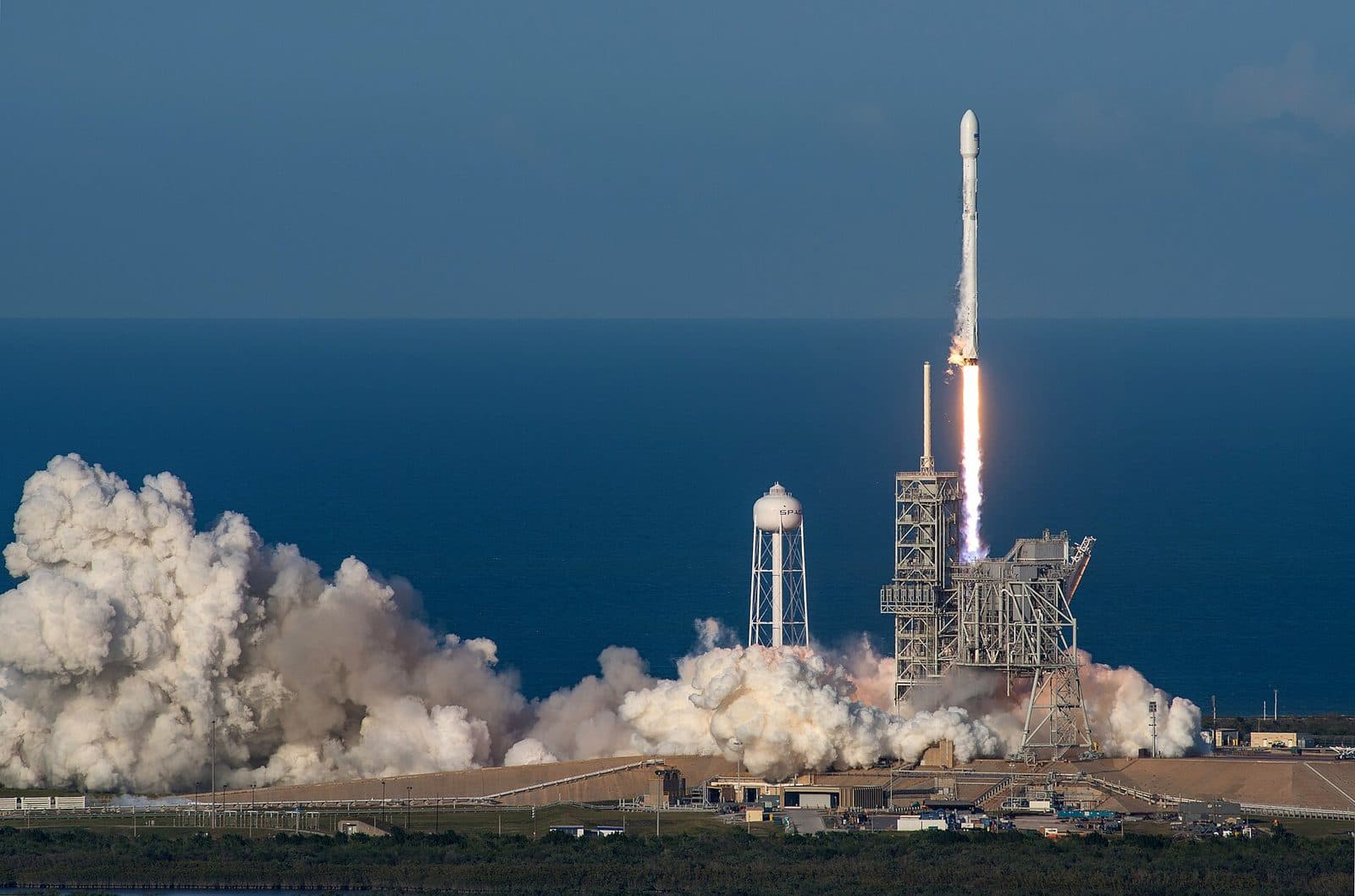
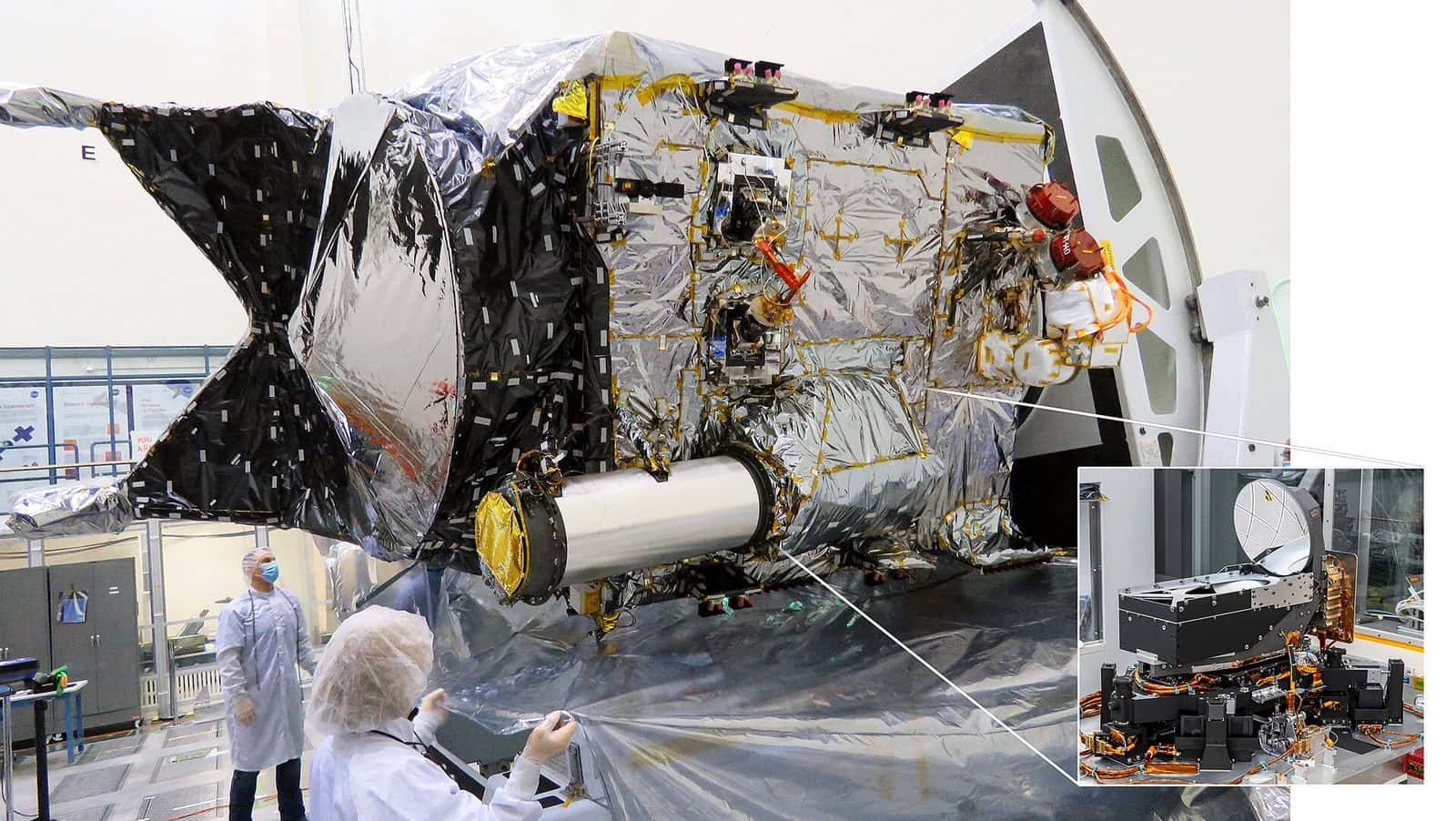
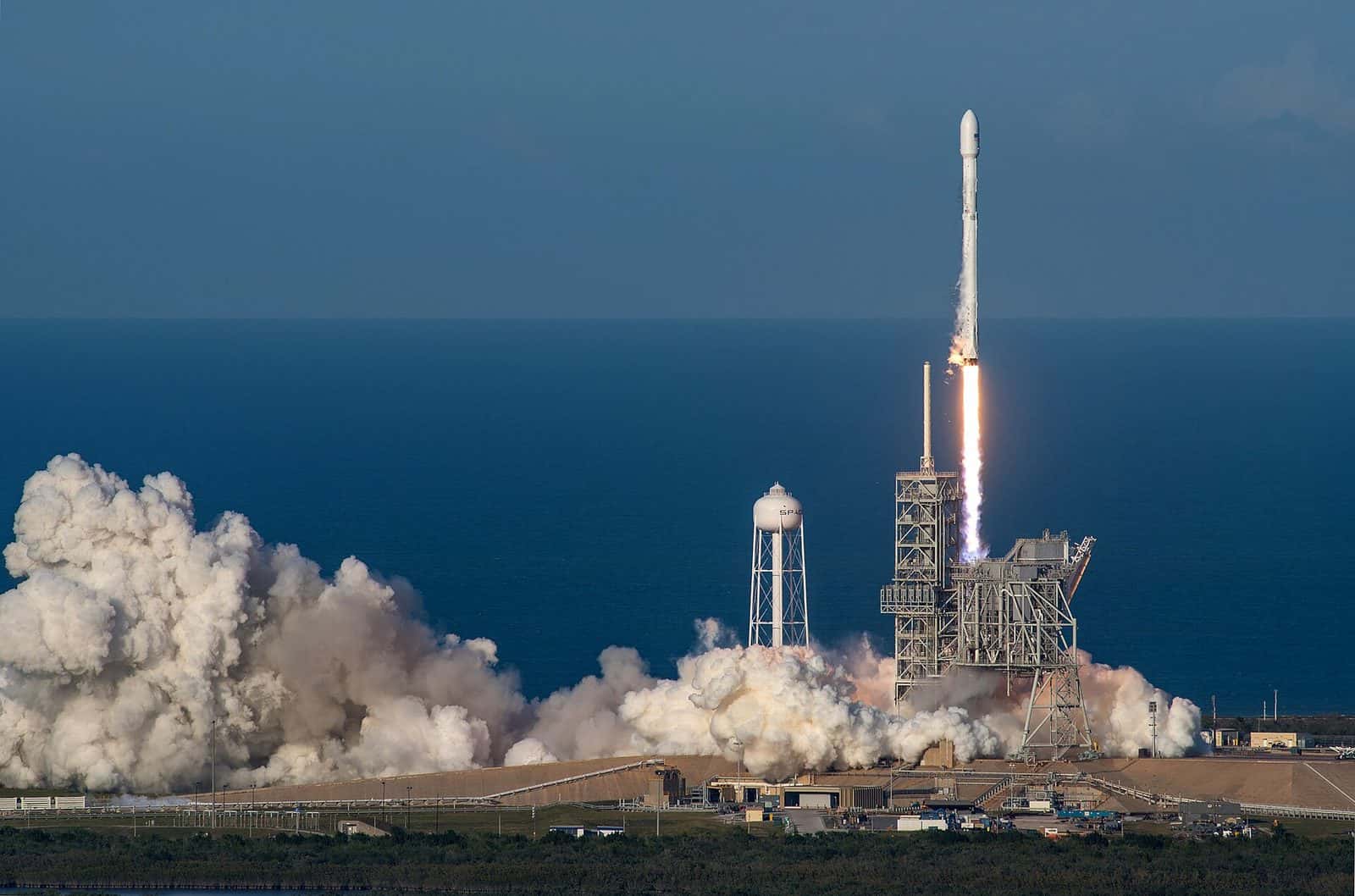
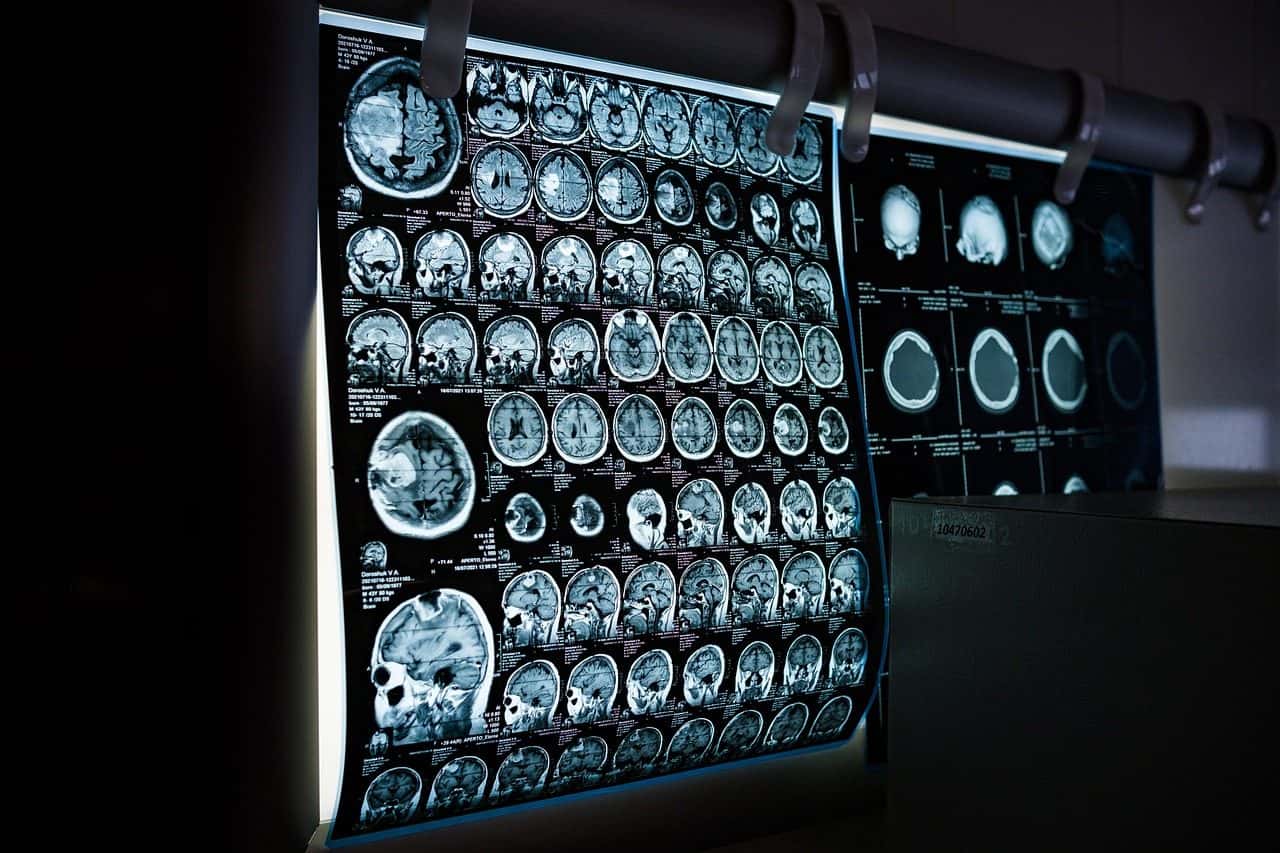
In space and brain science, a Pakistani astronaut will join China's Shenzhou-24 mission as a payload specialist, the first foreigner to visit the Tiangong station. The Euclid telescope's first big data release covers 9,500 full moons of sky and 900 million galaxies. Scientists from over 50 institutions also released an atlas of basal ganglia cell types. Separately, the Global Carbon Budget projects fossil CO2 emissions to fall 0.4% in 2026 to 38.2 billion tonnes.
Why it matters for Pakistan
Polio funding bears directly on children in Pakistan, and the 2026 case count is down from 2025. The DRAP alert affects shoppers in Karachi who buy mouthwash, eye and ear medicines or skin lotion. The obesity study notes that thresholds for South Asian populations still need validation, which concerns Pakistani readers. The astronaut's planned flight is a national first for Pakistan in space.
Get khabr.pk news on Facebook and YouTube
Short news videos every day, and the day’s top stories in your feed.