Pakistani astronaut to be first foreigner on China's space station
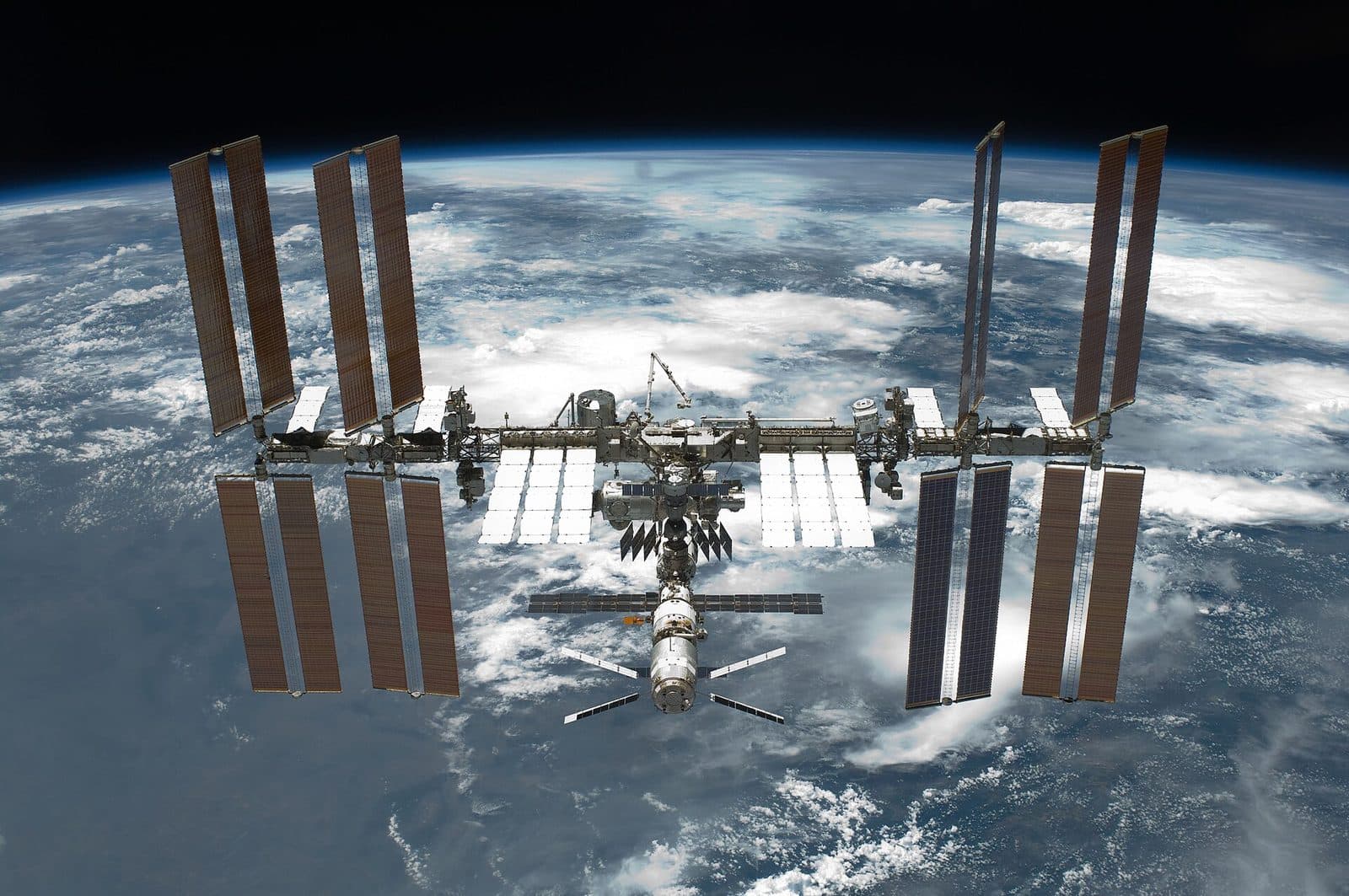
A Pakistani astronaut will join China's Shenzhou-24 mission as a payload specialist, the first foreign astronaut to visit the Tiangong station. The Chinese Embassy in Pakistan released photographs of two Pakistani astronauts selected for the mission.
- A Pakistani astronaut will join China's Shenzhou-24 mission as a payload specialist.
- It will be the first time Chinese and foreign astronauts fly together in China's human spaceflight programme.
- The Chinese Embassy released photographs of two Pakistani astronauts.
A Pakistani astronaut is set to become the first foreign astronaut to enter China's space station, according to reports based on an announcement by China's Ministry of Foreign Affairs and statements from the Chinese Embassy in Pakistan.
The astronaut will take part in the Shenzhou-24 mission as a payload specialist. According to China's Manned Space Agency, the astronaut will carry out a short-term orbital flight and return to Earth aboard the Shenzhou-23 spacecraft.
The mission will be the first in China's human spaceflight programme in which Chinese and foreign astronauts travel into space together. The embassy released photographs of the two Pakistani astronauts selected for the mission.
The Chinese Embassy described the mission as a historic achievement that would take Pakistan-China friendship to new heights. It said the collaboration would create opportunities for scientific research, technological progress and knowledge-sharing, and expressed confidence that it would inspire young people in Pakistan to pursue careers in science, engineering and space technology.
The mission is also expected to open new avenues for cooperation in space research, astronaut training and advanced technologies. The Associated Press of Pakistan said it offers practical experience in human spaceflight, scientific payload operations and astronaut training.
APP noted that space cooperation between the two countries has developed over more than three decades. Pakistan's first experimental satellite, Badr-1, was launched on a Chinese rocket from the Xichang Satellite Launch Center in 1990, and the PRSC-EO3 remote-sensing satellite was put into orbit by a Chinese Long March-6 rocket in April 2026.
Zhang Chaozhe, Director of the Pakistan Study Center at Sichuan University, said: "Human spaceflight is one of the most technologically demanding areas of scientific cooperation. For Pakistan, sending an astronaut to China's space station means gaining access to training, research and operational experience that would be difficult to develop independently."
He also said the participation of a Pakistani astronaut "reflects the growing depth of bilateral trust and technological cooperation." APP added that China has opened opportunities for countries to run experiments on its station through UNOOSA; the first round selected nine projects involving 23 institutions from 17 UN member states.
Background
khabr.pk reported on 8 November that a Pakistani astronaut would join the Shenzhou-24 mission as a payload specialist and become the first foreign visitor to the Tiangong station, as the China Manned Space Agency said.
Why it matters for Pakistan
The flight gives Pakistan its first direct experience of human spaceflight, including training and payload operations. Pakistan's scientists, engineers and students are the people most directly affected, as the embassy and Zhang Chaozhe both point to training and research access. The mission also builds on existing satellite cooperation with China.
Get khabr.pk news on Facebook and YouTube
Short news videos every day, and the day’s top stories in your feed.