How SpaceX caught a Starship from orbit
SpaceX caught the upper stage of its Starship rocket with tower arms in Texas after 14 orbits of Earth. The booster, however, was lost over the Gulf of Mexico.
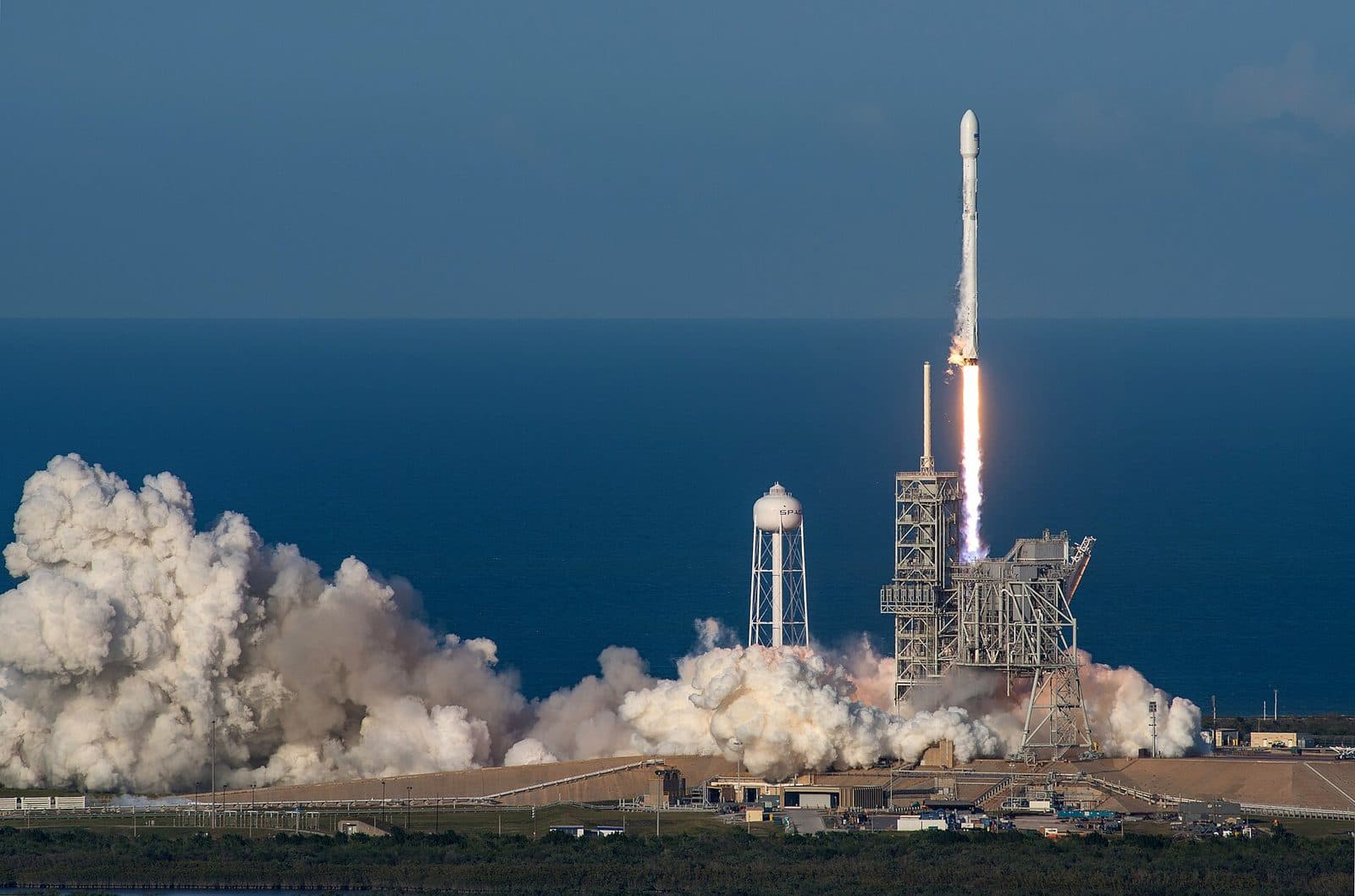
- The Starship upper stage was caught by tower arms in Texas about 22 hours after liftoff.
- It released 26 Starlink satellites and circled Earth 14 times.
- The Super Heavy booster aborted its catch and began self-destruction over the Gulf of Mexico.
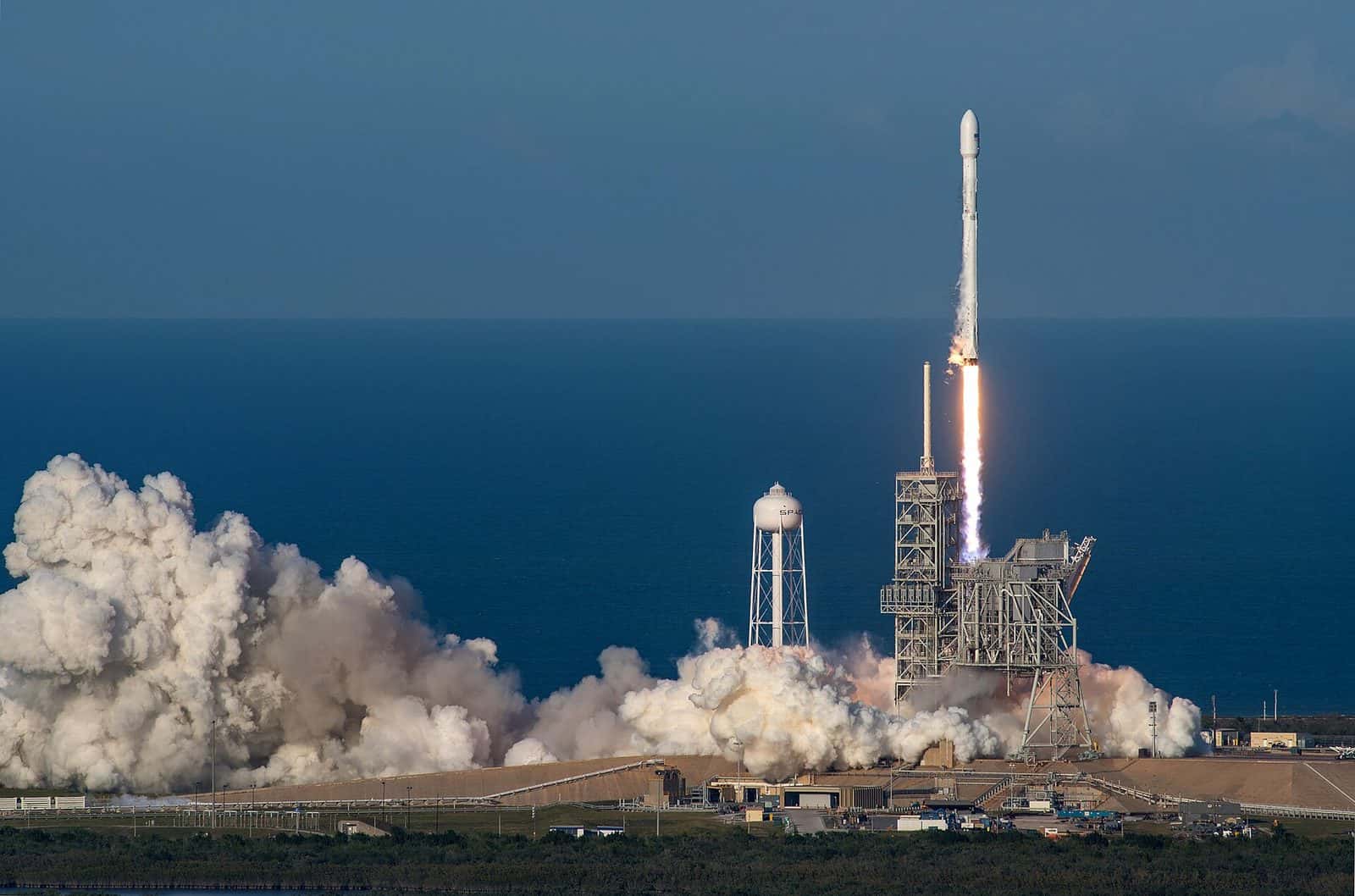
What happened: khabr.pk reported on 15 November that SpaceX's Starship upper stage came back to its launch site in Texas on Saturday and was caught by the giant mechanical arms of the launch tower. It was the first time the upper stage had been recovered this way. The catch took place about 22 hours after liftoff, at the place where the journey began.
The rocket lifted off late on Friday afternoon from SpaceX's Starship base near the US-Mexican border. The upper stage reached orbit, released 26 Starlink satellites and circled Earth 14 times at an altitude of 165 miles (265 kilometres). SpaceX said everything on the spacecraft, including its heat shield, appeared to work well.
The day was not a complete success. SpaceX had planned to catch both the Super Heavy booster and the spacecraft, but the booster's recovery was aborted. SpaceX's Kate Tice said its engines stopped firing too soon on the way back down. The booster's guidance system sensed it was out of position and automatically began its self-destruction. Wreckage remained in the Gulf of Mexico, cordoned off by buoys.
This was SpaceX's 15th full-scale Starship flight since 2023 and its second trip to orbit. SpaceX had caught the booster on three earlier flights, so the missed booster catch fell short of the plan, while the spacecraft catch was new. SpaceX officials said the catch shows the full reusability of Starship.
Why NASA is watching: the agency is paying billions of dollars for a Starship version to carry Artemis astronauts to the lunar surface later this decade. The next mission, Artemis III, will stay in orbit around Earth so its four astronauts can practise docking their capsule with Starship and with Blue Origin's Blue Moon lander. NASA is aiming for Artemis IV, its first moon landing since the Apollo era, as soon as 2028.
What is still open: engineers are still investigating why the booster's engines stopped early. SpaceX expects to begin launching Starships from Florida's Kennedy Space Center within the next few months. The material does not say when the next Starship flight will take place.
For readers in Pakistan, the link is indirect. khabr.pk reported on 12 November that a Pakistani astronaut will join China's Shenzhou-24 mission, a separate programme from Starship. Both stories show how much of spaceflight is now moving towards reusable vehicles and more crowded orbits.
Why it matters for Pakistan
Starship is central to NASA's plan to land astronauts on the moon, and a working catch is a step towards reusing the rocket. For Pakistan, the story is mainly of interest to readers following space news, including the Pakistani astronaut due to fly on China's Shenzhou-24 mission. Students and science readers can see how reusable rockets are tested in stages. The booster loss shows that parts of the plan are still unfinished.
Get khabr.pk news on Facebook and YouTube
Short news videos every day, and the day’s top stories in your feed.