Scientists release atlas of brain cells in basal ganglia
Scientists from more than 50 institutions have released an atlas of cell types in the basal ganglia, a brain region linked to Parkinson's disease and schizophrenia. The work covers humans, macaques, marmosets and mice.
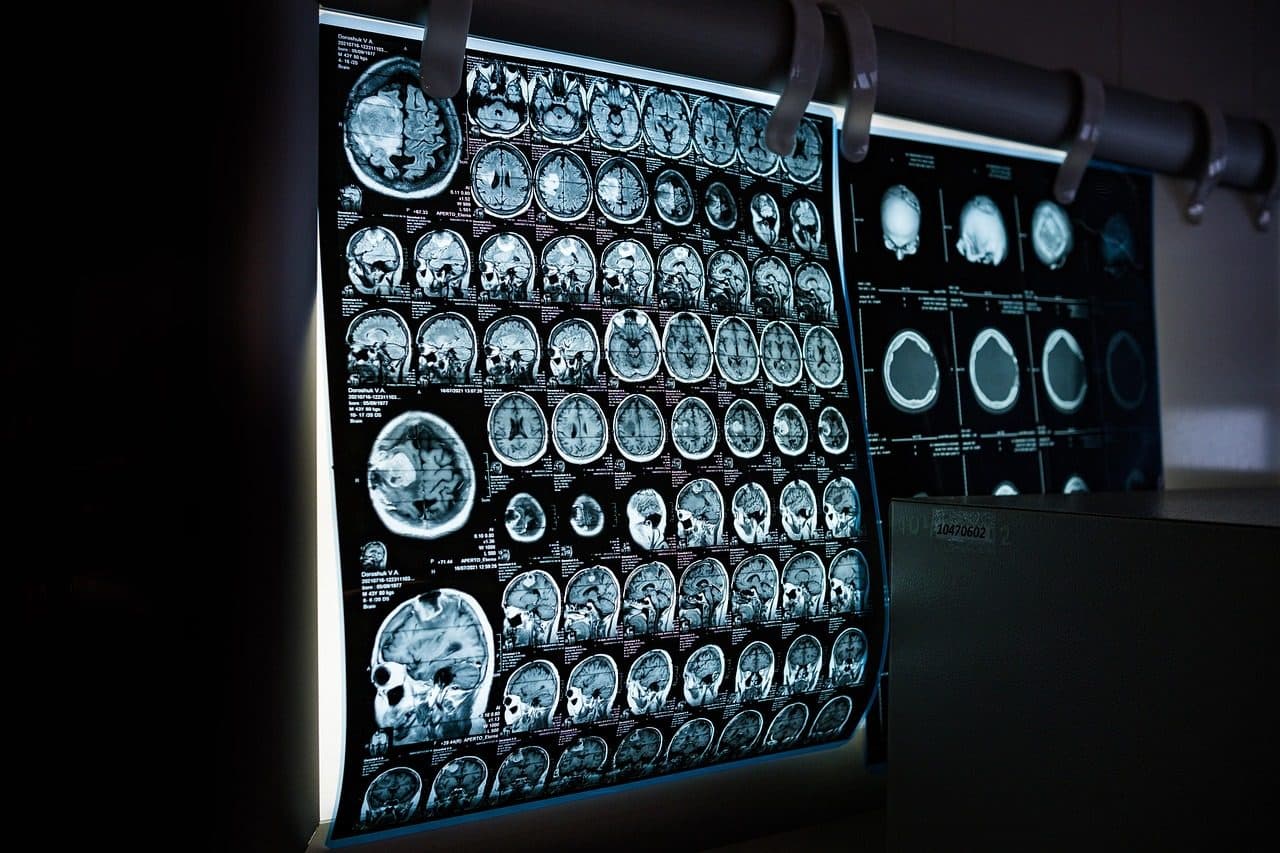
- Scientists from over 50 institutions mapped basal ganglia cell types
- Cell and other Cell Press journals published 28 papers
- The NeMO Archive holds data from more than 50 million brain cells
Scientists from more than 50 institutions have released an atlas that maps the cell types of the basal ganglia, a group of structures in the centre of the brain. STAT News described it as the most detailed map yet of the region.
The atlas covers four species: humans, macaques, marmosets and mice. Medical Xpress reported that the basal ganglia control the body's movements, decision-making and habit formation.
Evidence has increasingly linked the region to brain diseases including schizophrenia, Parkinson's disease and addiction. Capturing a full picture of what causes such conditions has long been a challenge for scientists. The atlas could help show how different brain cells shape the pathways that lead to disease.
The journal Cell and other Cell Press journals published a package of 28 papers on the work. The main study is titled Towards an Integrated Framework for a Human and Mammalian Brain Cell Atlas and appeared in Cell in 2026.
Researchers at the Institute for Genome Sciences (IGS) built the NeMO Archive, a research tool that lets scientists discover, analyze and integrate data across studies. It now holds genomic, transcriptomic, epigenomic and spatial transcriptomic data from more than 50 million brain cells.
Some of the papers report specific findings. Researchers at UCSF found key genetic changes in particular basal ganglia cell types that may play a role in autism. Allen Institute researchers discovered a new type of brain cell linked to schizophrenia and bipolar disorder.
Owen White, associate director of research collaboration and development at IGS and a professor at UMSOM, said: "I've spent much of my career working to make scientific data openly accessible, because the real value of these large research efforts comes when scientists everywhere can build upon them."
He also said the studies show how single-cell molecular analysis, supported by openly accessible data in the NeMO Archive, is enabling discoveries that "extend well beyond the scope of individual studies."
Why it matters for Pakistan
The atlas concerns conditions such as Parkinson's disease, schizophrenia and addiction, which affect patients and families in Pakistan as elsewhere. The reports say the map could help show how brain cells shape the pathways leading to these diseases. The data is held in an archive that scientists worldwide can use, including researchers in Pakistan.
Get khabr.pk news on Facebook and YouTube
Short news videos every day, and the day’s top stories in your feed.