Oil prices fall about 3% as US and Iran explore diplomacy
Oil prices fell about 3% on Monday as talks mediated by Qatar raised hopes of a deal to end the Iran war. Brent crude traded near $109 a barrel, while US crude was around $100.

For information only, not investment advice. Prices change quickly: check the time and source of every figure.
- Brent crude fell to about $109 a barrel on Monday, down roughly 3%.
- US crude (WTI) fell to near $100 a barrel after Qatar-mediated talks.
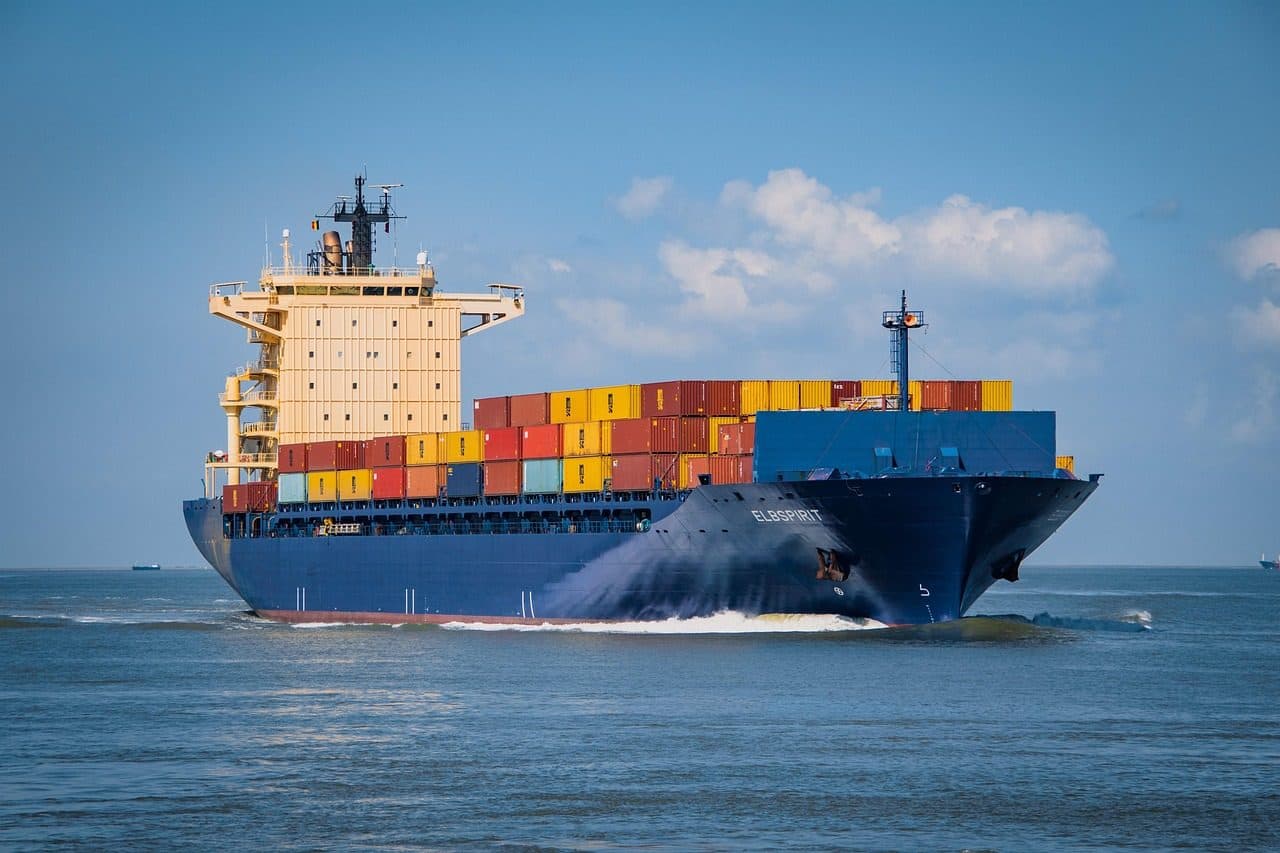
- Shipping through the Strait of Hormuz has been heavily disrupted since late February.
- Goldman Sachs raised its end-of-year Brent forecast to $105 from $90.
Oil prices dropped by about 3% on Monday after reports that both the United States and Iran are pursuing diplomatic options to end the war, which has disrupted energy markets since late February.
According to CNBC, Brent crude futures for January delivery fell 3.91% to $109.00 a barrel at 4:07 a.m. ET, and West Texas Intermediate futures for December declined 4.1% to $99.85. Arab News reported Brent down $3.68, or 3.2%, at $109.75 and WTI at $100.69 by 07:07 a.m. Saudi time. Euronews put Brent at around $108.5, roughly 2.8% below Friday's close. Brent ended October at its highest in six months, Arab News reported.
Iranian and Qatari officials held a third straight day of talks aimed at a deal. Iranian authorities signalled that an agreement remains possible if Iran's demands are implemented tangibly, according to Al Jazeera, as cited by CNBC. Iranian Foreign Minister Abbas Araghchi said the plan under discussion could reopen the Strait of Hormuz in as little as two days if Washington met a series of conditions, and that Tehran was not holding direct talks with the US.
Iran has previously demanded an end to the US naval blockade of its ports, the lifting of sanctions on its oil exports and a halt to fighting on all regional fronts. US Secretary of State Marco Rubio said Washington would "prefer to do it peacefully", and said on Saturday that no decision had been made on resuming military action.
President Donald Trump kept the military option open. He said negotiations were "going fine" but described Iranians as not very reliable, and said the US still had one or two sites to take care of. The Wall Street Journal and The New York Times reported that the US is preparing for possible renewed military action after Tuesday's midterm elections. Axios reported that Israeli Prime Minister Benjamin Netanyahu urged Trump to resume strikes right after the vote.
Iran's Supreme Leader Mojtaba Khamenei told the armed forces on Saturday to meet any threat with an immediate response. The UK Maritime Trade Operations centre said it received a report of a projectile hitting a vessel in the Strait of Hormuz, and Iran had reported multiple strikes on ships on Friday.
Goldman Sachs said a geopolitical risk premium of around $27 a barrel explains most of October's rally in crude and raised its end-of-year Brent forecast to $105 from $90. Analyst Tamas Varga of PVM Oil Associates said attacks continue, giving little confidence in lasting ceasefires, but added: "Nonetheless, hope springs eternal". Separately, OPEC+ held its December output targets unchanged.
Why it matters
Oil price moves feed into petrol and LPG prices and the import bill in Pakistan, so developments in the US-Iran talks and Hormuz shipping are closely watched.