Thar coal mining to move from diesel to national grid power
Work has begun on connecting Thar Block I and Block II to the national grid, with completion brought forward to April 2028. The project is expected to save $25 million to $30 million a year in foreign exchange.
For information only, not investment advice. Prices change quickly: check the time and source of every figure.
- Thar Block I and II mining to run on grid power instead of diesel
- Expected saving of $25 million to $30 million a year in foreign exchange
- Completion brought forward to April 2028 from end-2028
- Power cost for mining to fall from 33 to 13 cents per kWh
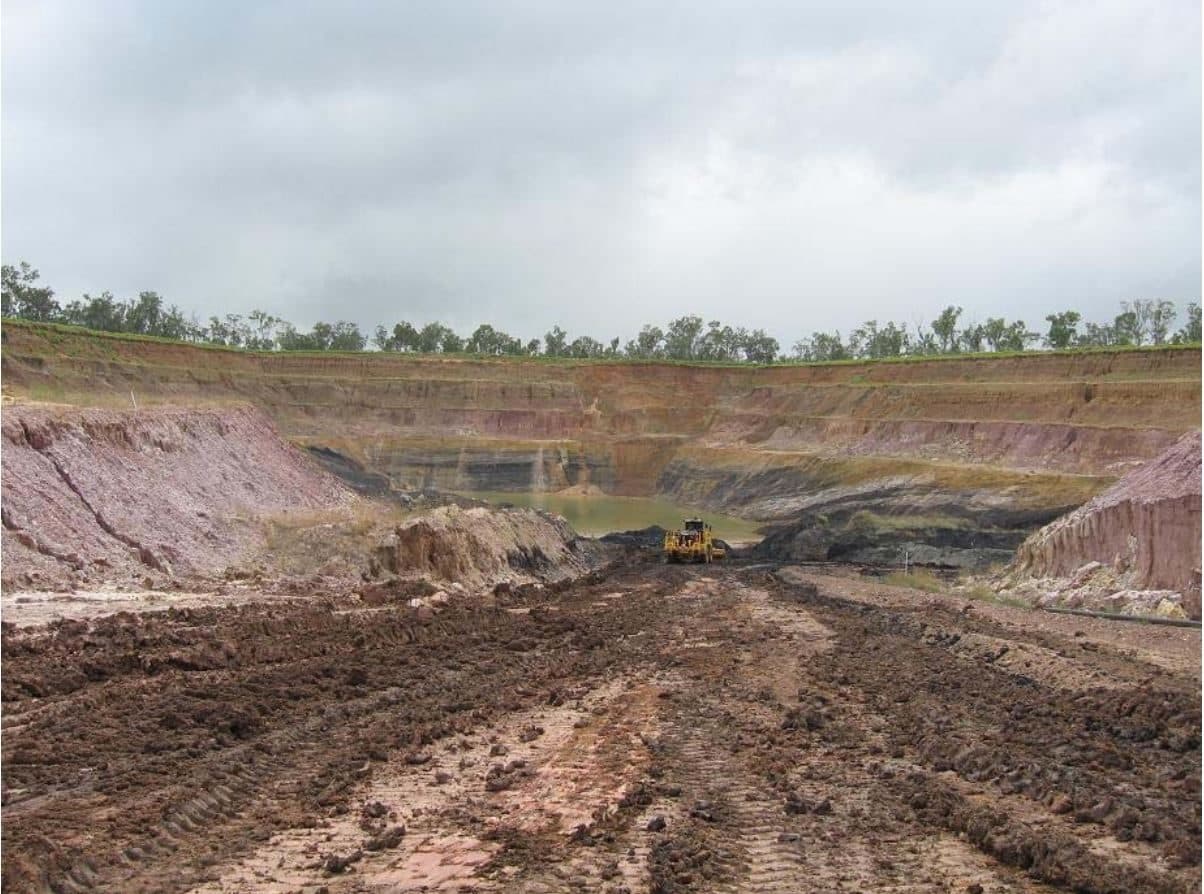
Work has formally begun on shifting coal mining in Thar from diesel generation to the national grid, The Express Tribune reported. The electrification contract has been awarded, and the project is expected to save Pakistan about $25 million to $30 million in foreign exchange every year.
The progress was presented at a review meeting on the electrification of Thar Block I and Block II, chaired by Power Division Minister Awais Ahmad Khan Leghari. Completion has been moved up to April 2028, earlier than the original target of the end of 2028. Urdu outlets Nawa-i-Waqt and Daily Pakistan also reported the start of work, and Daily Pakistan said it began on the instructions of Prime Minister Shehbaz Sharif.
Under the plan, mining operations in both blocks will be linked to the grid through 132-kilovolt transmission infrastructure from the Islamkot Grid Station. The project will supply around 60 megawatts of electricity to the mining sites.
At present, mining burns between 200,000 and 250,000 litres of diesel a day, including about 35,000 litres for dewatering alone. Daily diesel savings from the switch are projected at around Rs25 million.
The cost of electricity for mining operations will fall from 33 cents per kilowatt-hour, when generated from diesel, to 13 cents, a reduction of more than 60%. The cost of coal production and the coal tariff are expected to drop by about $0.70 per tonne.
Carbon emissions are expected to fall by about 80,000 tonnes a year. Diesel-powered mining vehicles will also be progressively converted to electric systems.
Block I plans to bring in 40 electric trucks by the end of this year. Block II aims to begin deploying electric vehicles in 2028, alongside completion of its grid connection.
Background
khabr.pk reported on 18 November that diesel was cut to Rs355 per litre from 19 November, according to an OGRA notification. That is the fuel that Thar mining now uses in large daily volumes.
Why it matters for Pakistan
The project is aimed at reducing Pakistan's diesel use, with an expected saving of $25 million to $30 million a year in foreign exchange. Lower power costs at the mines are expected to cut the coal tariff by about $0.70 per tonne, which bears on the cost of power supply. Daily diesel use of 200,000 to 250,000 litres at the mines would be largely replaced by grid electricity.
Get khabr.pk news on Facebook and YouTube
Short news videos every day, and the day’s top stories in your feed.