Finance minister, Mastercard discuss digital payments and inclusion
Finance Minister Muhammad Aurangzeb met a Mastercard delegation to discuss digital payments, financial inclusion and cybersecurity. Separately, he pledged better access to finance for exporters, especially SMEs.
For information only, not investment advice. Prices change quickly: check the time and source of every figure.
- Aurangzeb met Mastercard's East Arabia Division President Mark Elliott.
- Talks covered digital payments, financial inclusion and cybersecurity under the cashless economy initiative.
- Aurangzeb also told textile exporters the government will improve access to finance.
- PVARA chairman Bilal Bin Saqib met Elliott on Thursday to discuss remittances and cross-border payments.
Finance Minister Muhammad Aurangzeb met a Mastercard delegation led by Mark Elliott, the company's Division President for East Arabia, to discuss cooperation in digital payments, financial inclusion and cybersecurity. Business Recorder and The Express Tribune reported that the talks were in line with the prime minister's cashless economy initiative.
According to The Express Tribune, Aurangzeb said digital financial solutions would support agriculture, small and medium enterprises (SMEs) and other underserved segments. Business Recorder said he appreciated Mastercard's long engagement with Pakistan's financial sector.
Elliott reaffirmed Mastercard's long-term commitment to Pakistan. The Express Tribune reported that he cited collaboration in payment acceptance, financial inclusion, remittances and cybersecurity.
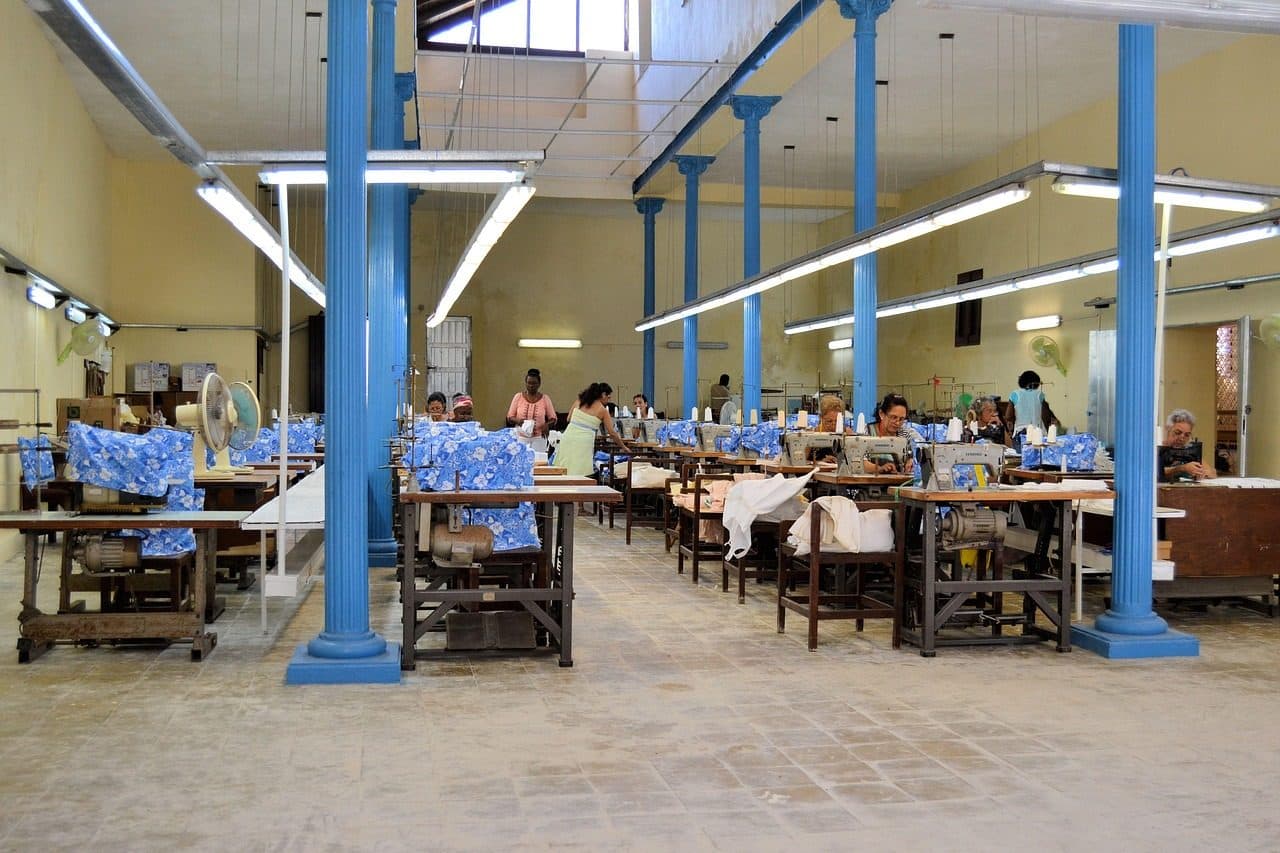
In a separate meeting, Aurangzeb received a delegation of the Pakistan Textile Exporters Association led by Chairman Rehan Naseem Bharara. They discussed the sector's performance, export competitiveness and the business environment, including energy costs and access to finance.
Aurangzeb said "the government will improve access to finance for businesses, particularly small and medium enterprises, to strengthen their role in the export value chain." He also urged businesses to adapt to the new economy through innovation, productivity, technology adoption and value addition, and reaffirmed the government's commitment to export-led growth.
The delegation also included Khurram Mukhtar, president of the Faisalabad Chamber of Commerce and Industry, Arif Ihsan Malik, Zia Alamdar of the hosiery exporters' association and Sohail Afzal of the readymade garments association.
On Thursday, Bilal Bin Saqib, chairman of the Pakistan Virtual Assets Regulatory Authority, also met Elliott, according to 24 News. They discussed cross-border payments, remittances, digital financial infrastructure, blockchain and tokenisation of digital assets, and opportunities for freelancers and businesses.
Bin Saqib said Pakistan receives more than $40 billion in annual remittances. He stressed that cybersecurity and consumer protection must be central to the development of digital financial services.
Background
khabr.pk reported on 4 November that State Bank Governor Jameel Ahmad said financial inclusion had reached 71% and the gender gap had narrowed to 27%. On 5 November it reported that Bank of Punjab launched Pakistan's first Mastercard World Elite credit and debit cards in partnership with Mastercard.
Why it matters
Wider digital payment options could make banking easier for ordinary Pakistanis, including farmers and small businesses the finance minister named as underserved. Exporters, particularly SMEs, are affected by the pledge of better access to finance, with energy costs and credit raised as concerns. Households that depend on remittances may also be affected by efforts to improve cross-border payments, which the PVARA chairman said exceed $40 billion a year.