Third US aircraft carrier enters Middle East amid Iran blockade
The USS Theodore Roosevelt entered the US Central Command area on Sunday, 15 November, ABC News reported, citing a US official. It joins two carriers already in the Arabian Sea as the blockade of Iranian ports continues.
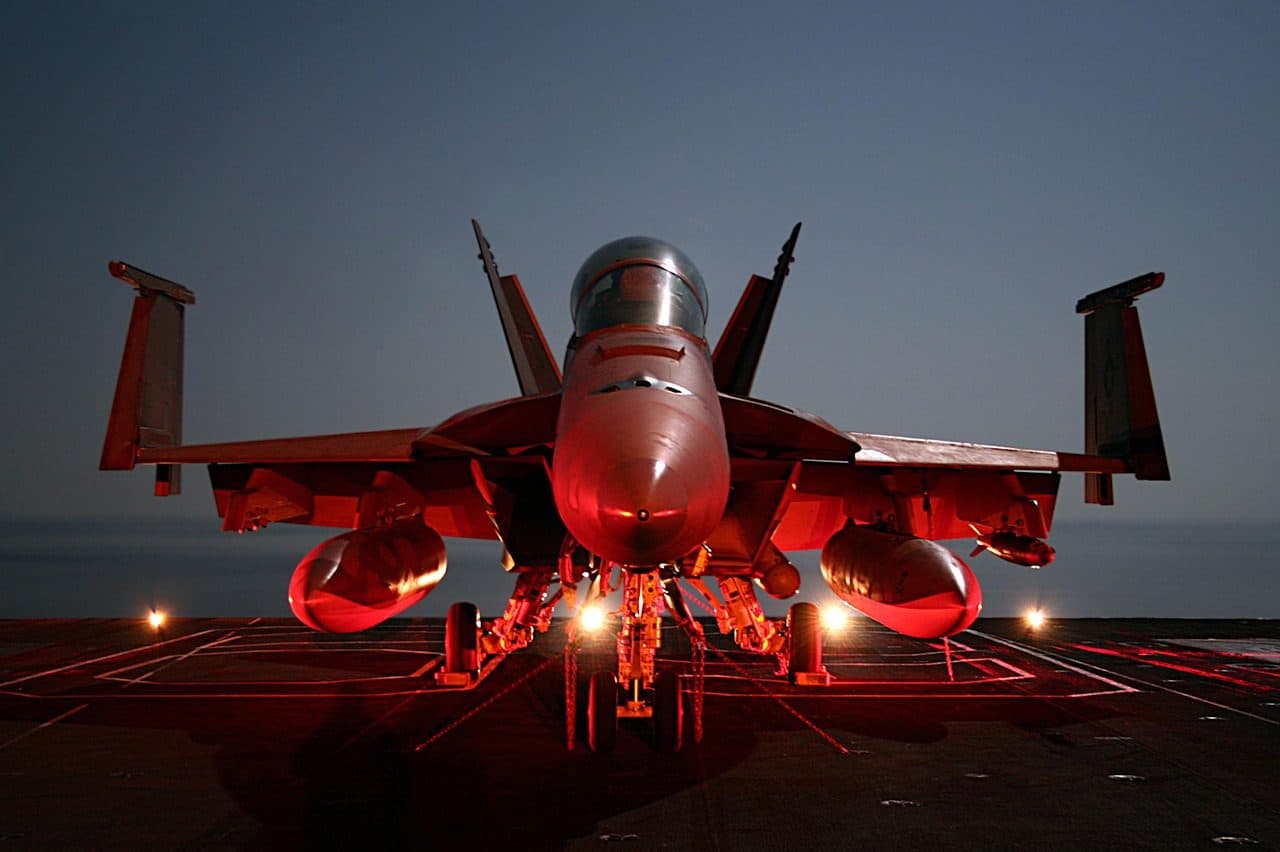
- USS Theodore Roosevelt entered CentCom's area on 15 November, per ABC News
- Two other carriers, USS George H.W. Bush and USS George Washington, are in the Arabian Sea
- More than 20 US Navy vessels support the blockade of Iranian ports
A third US aircraft carrier strike group has arrived in the Middle East to strengthen American naval forces enforcing a blockade on Iranian ports, according to an ABC News report that cited a US official, as relayed by Gulf News.
The USS Theodore Roosevelt group moved into the area covered by US Central Command on Sunday, 15 November. It left Singapore in early November and sailed through the Strait of Malacca towards the Indian Ocean.
It joins the USS George H.W. Bush and the USS George Washington, both of which have been operating in the Arabian Sea. Together the three groups are part of a deployment of more than 20 Navy vessels backing the blockade.
Arab News, citing The Wall Street Journal and US officials, reported that the Pentagon is also sending an additional Marine expeditionary unit. That would add 9,000 to 10,000 troops to the region, with the ships, aircraft, Marines and sailors due to arrive by the end of November. The report said President Donald Trump is considering renewing strikes on Iran after the midterm elections.
Al Jazeera reported that Iran has warned it would not simply wait to be attacked.
It is not yet clear how long the three carriers will stay together. Stars and Stripes reported on 9 November that it was unclear whether the Roosevelt would reinforce the existing force or replace one of the two carriers already there. Israel's Institute for National Security Studies said in a 15 November assessment that a carrier rotation was possible rather than a lasting three-carrier presence.
The blockade was first imposed on 13 April 2026 after nuclear talks collapsed. It applies to commercial ships entering or leaving Iranian ports and coastal areas, including those on the Gulf and the Gulf of Oman. US Central Command said that by 23 May its forces had turned back 100 commercial vessels and let 26 humanitarian aid ships through. The wider conflict began with US and Israeli strikes on Iran on 28 February 2026.
Background
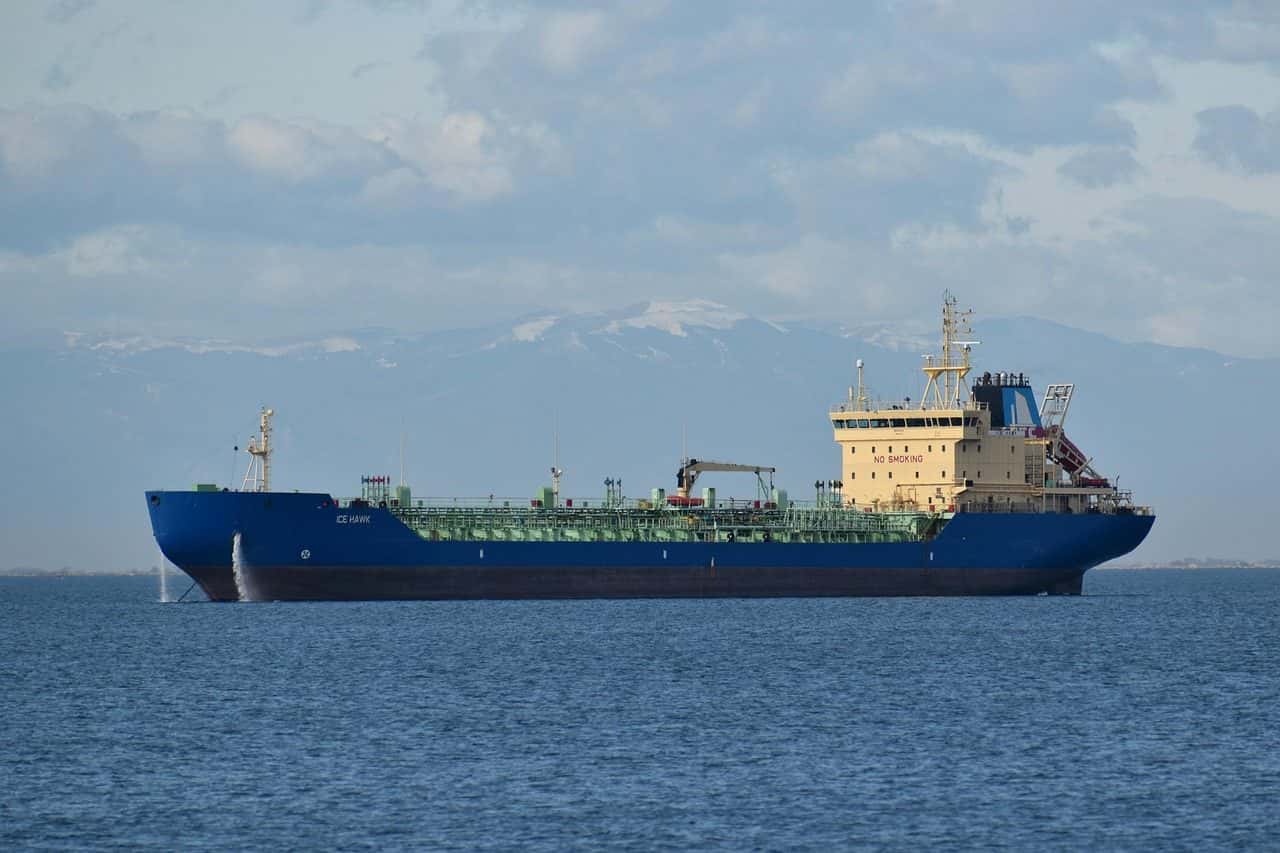
khabr.pk reported on 8 November that the US military disabled the cargo ship M/V Huda in the Gulf of Oman after it tried to breach the blockade. On 15 November we reported that Iran's Revolutionary Guards claimed a drone strike on a US radar site in Bahrain, which CENTCOM denied. On 10 November Trump said the war was militarily effectively over, remarks Iranian officials dismissed.
Why it matters for Pakistan
Pakistan borders Iran and lies close to the Arabian Sea and Gulf of Oman, where the build-up is taking place. Shipping disruption in the Gulf can affect fuel supplies; khabr.pk recorded petrol at Rs330 per litre on 13 November and diesel at Rs360 on 12 November. Many Pakistani workers live and work in Gulf states near the area, so any escalation is followed closely at home.
Get khabr.pk news on Facebook and YouTube
Short news videos every day, and the day’s top stories in your feed.