Kuwait, Bahrain intercept drone attacks after US strike on Qeshm
Kuwait's army said air defences were stopping hostile attacks early Wednesday, while Bahrain said it shot down Iranian aerial strikes. The incidents followed a US strike on Iran's Qeshm Island amid a standoff over the Strait of Hormuz.
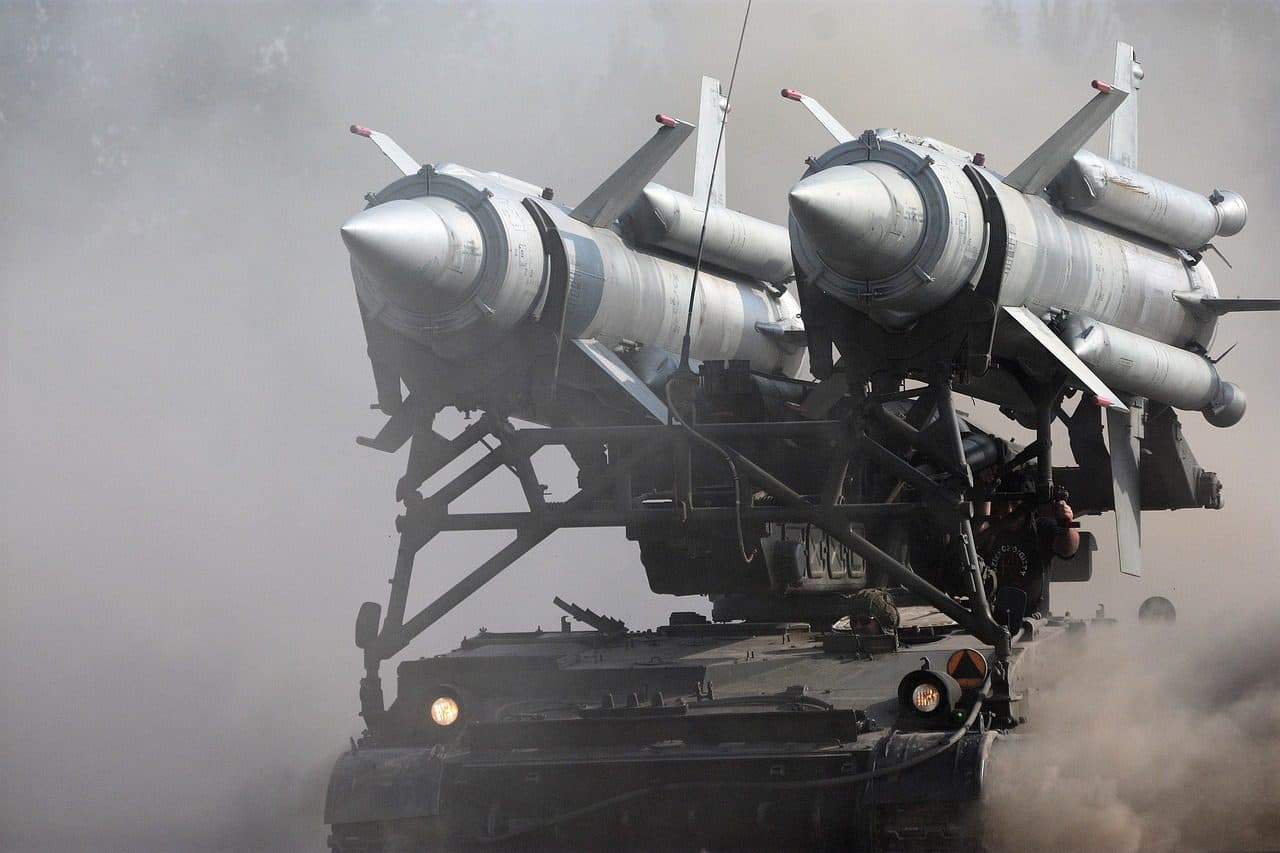
- Kuwait's army said explosions heard were air defences intercepting hostile attacks.
- Bahrain's defence force said it intercepted Iranian aerial attacks on Wednesday.
- A US official told AFP US jets hit an IRGC missile launch site on Qeshm Island.
- Arab News said a Coalition destroyed 60 Houthi targets across Yemen.
Kuwait and Bahrain said on Wednesday that their air defences were dealing with hostile drone and missile attacks, as Gulf states allied with the United States stayed on alert amid the standoff over the Strait of Hormuz, according to Al Jazeera, France 24 and Arab News.
In a statement posted on X, Kuwait's General Staff of the Army said: "The General Staff of the Army notes that any explosion sounds heard are the result of air defense systems intercepting hostile attacks." Arab News reported that the army also asked everyone to follow security and safety instructions. Kuwait's military had said on Tuesday that it was responding to hostile drone attacks.
Bahrain's defence force said its air defences intercepted Iranian aerial attacks on Wednesday. It accused Tehran of a systematic hostile approach in targeting the country, which hosts the US Navy's Fifth Fleet. Al Jazeera reported that Bahrain described the strikes as criminal attacks, and Gulf News reported sirens sounding as fresh drones were shot down.
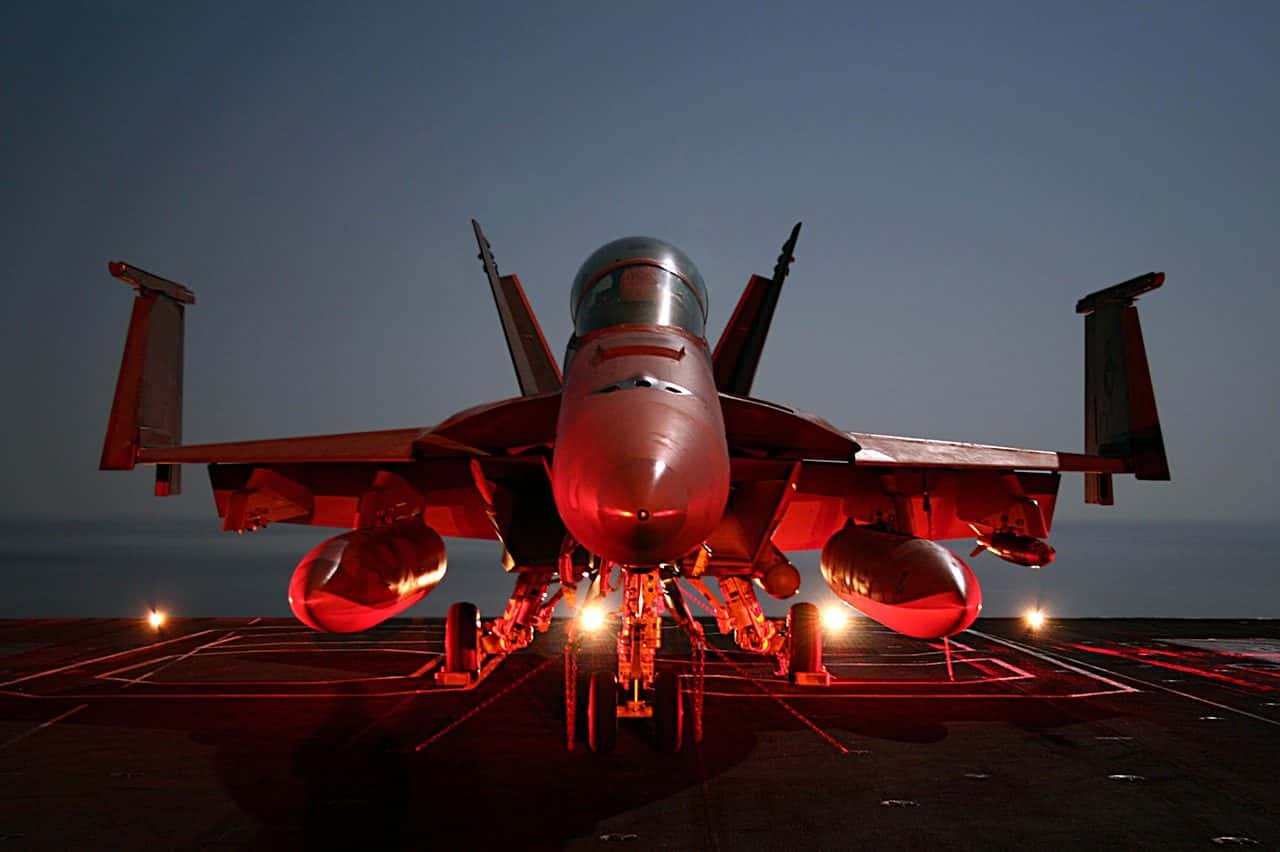
The alert followed an American attack on Qeshm Island in Iran. An American official told AFP that US fighter jets hit a missile launch site of the Islamic Revolutionary Guard Corps there, in response to Iranian aggression aimed at US personnel and assets. Iran's IRNA news agency, citing a regional official, said the strike caused no serious damage.
BBC Urdu's headline reported that Iran's military confirmed an attack on Kuwait's Ali Al Salem base, claiming it hit a US air defence system, drones and a missile launcher. The other reports did not confirm this claim.
Arab News also reported that the Coalition destroyed 60 Houthi targets across Yemen, and said Tehran had stepped up its targeting of Gulf neighbours.
Separately, France 24 reported that US President Donald Trump said Washington takes possible threats very seriously after reports that Iran planned to target senior US officials, possibly with a radioactive bomb. Tehran rejected the reports of a plot as fabricated.
Background
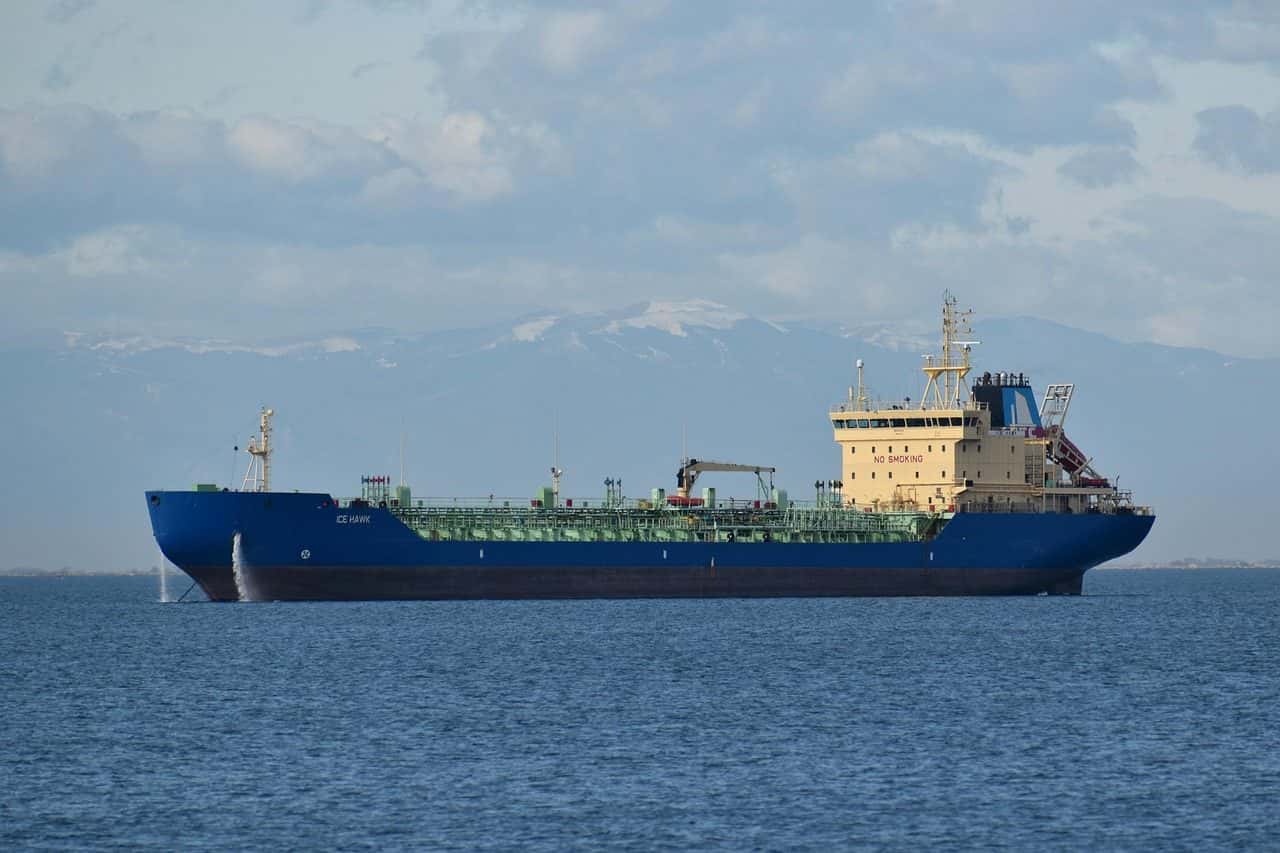
khabr.pk reported on 15 November that Iran's Revolutionary Guards said they targeted a US radar site at Al-Riffa Air Base in Bahrain with six drones, which CENTCOM rejected. On 16 November we reported that the IRGC said six tankers had caught fire near Hormuz as the US and Iran exchanged strikes, and that a third US aircraft carrier had entered the region.
Why it matters for Pakistan
Hundreds of thousands of Pakistanis work in Gulf states, so attacks on Kuwait and Bahrain raise concern for workers and the remittances they send home. The Strait of Hormuz standoff also bears on fuel supply. On 17 November petrol stood at Rs325 a litre and high-speed diesel at Rs358 a litre, according to figures khabr.pk has recorded.
Get khabr.pk news on Facebook and YouTube
Short news videos every day, and the day’s top stories in your feed.