Iran bars IAEA from damaged nuclear sites until war ends
Iran's foreign ministry said on Monday that UN inspectors will not enter its damaged nuclear facilities until the war has permanently ended. The statement came days after the IAEA urged Tehran to take steps toward resuming inspections.
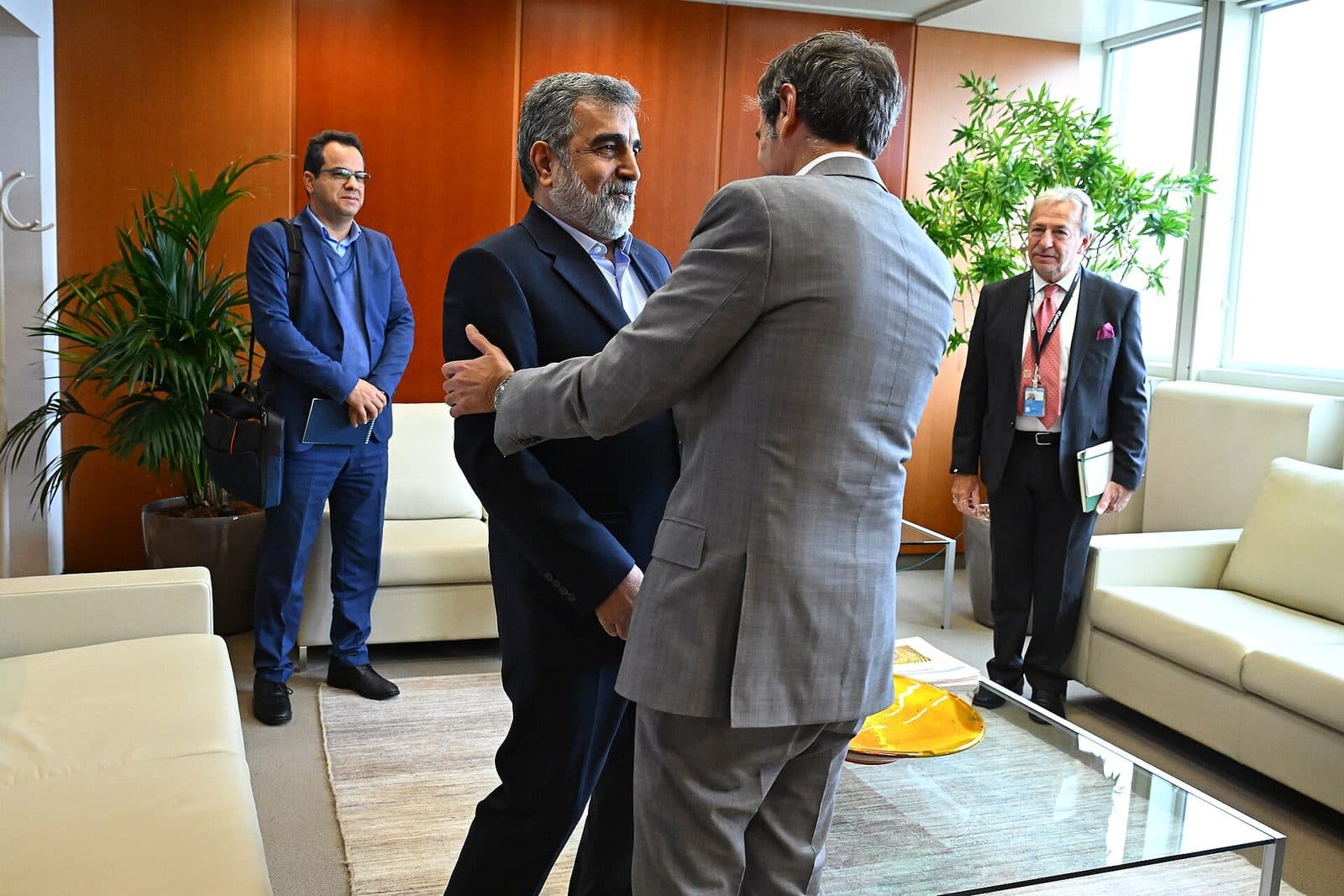
- Iran says IAEA access stays blocked until US meets its conditions and the war ends permanently
- Inspectors visited Bushehr in September but have not reached Natanz, Fordow or Isfahan
- Pakistan, Saudi Arabia and Turkey officials to meet in Islamabad later this month, says Ishaq Dar
Iran's foreign ministry said on Monday that it will keep the International Atomic Energy Agency away from its damaged nuclear facilities until the United States meets Tehran's conditions and the war has permanently ended, according to France 24 and Arab News.
Deputy Foreign Minister Kazem Gharibabadi said: "We will not grant the IAEA access to the facilities until Iran's conditions are met and the war has permanently ended," according to CBS News. He also said the agency's request was likely aimed at assessing how effective American weapons had been.
The statement followed a call by the IAEA for Tehran to take steps toward resuming inspections. Agency access to Iranian sites has been suspended since last year's 12-day war with Israel. Inspectors visited the Bushehr nuclear power plant in September, but they have not been able to reach Natanz, Fordow or Isfahan, which were struck during the conflict.
The nuclear facilities were hit again in the Middle East war that began on 28 February, when US-Israeli strikes killed Iran's supreme leader Ayatollah Ali Khamenei, France 24 reported. Iranian officials said talks on the nuclear programme would come at a later stage.
Tehran has also set out conditions for reopening the Strait of Hormuz, asking Washington to release frozen Iranian assets and lift sanctions, among other steps. Earlier this month the US military announced a reward of up to $20 million for information on Iran's nuclear programme, which Tehran called repugnant.
Fighting continues elsewhere in the region. Iran claimed a new attack on a US radar installation in Bahrain, but Bahraini officials said the weapons were intercepted. The US military denied a similar Iranian claim from late last week. The Saudi-led coalition said it intercepted and destroyed two Houthi drones aimed at Mecca and Riyadh on Monday.
Pakistani Foreign Minister Mohammad Ishaq Dar said senior officials from Pakistan, Saudi Arabia and Turkey would meet in Islamabad. "The apex committee of this body ... will be actually meeting, hopefully, end of this month, in Islamabad," he said. The three countries signed a mutual defence pact in August, and Pakistan and Turkey have sent troops to Saudi Arabia under it, CBS News reported.
On oil markets, Brent crude fell 0.5% to $95.34 a barrel on Monday, while US benchmark crude fell 0.3% to $88.31.
Background
khabr.pk reported on 7 November that the US was offering up to $20 million for information on Iran's nuclear programme. On 10 November it reported President Donald Trump saying the Iran war was militarily effectively over, which Iranian officials dismissed. On 12 November it reported Trump saying the US no longer needs a deal with Iran. Pakistan's petrol price was Rs330 per litre on 13 November, according to khabr.pk records.
Why it matters for Pakistan
The conflict around the Strait of Hormuz and the Gulf bears on oil prices, and Pakistan's fuel costs follow them: petrol stood at Rs330 and diesel at Rs360 per litre in khabr.pk's latest records. Many Pakistanis work in the Gulf, where Houthi drone attacks on Saudi cities continue. Pakistan is also directly involved, as its troops are in Saudi Arabia under the defence pact and Islamabad is due to host a meeting of the three countries.
Get khabr.pk news on Facebook and YouTube
Short news videos every day, and the day’s top stories in your feed.