UN talks agree 2-year process on autonomous weapons, no treaty
Countries meeting in Geneva agreed on a two-year process to develop an instrument on lethal autonomous weapons, but did not win a mandate for a binding treaty. UN disarmament chief Izumi Nakamitsu welcomed the progress while acknowledging its limits.
- States agreed a two-year process on lethal autonomous weapons systems
- No mandate was secured to negotiate a legally binding treaty
- The ICRC said the conference missed a chance to start binding negotiations
Countries have agreed to a two-year process to develop an instrument on lethal autonomous weapons systems, but they did not obtain a mandate to negotiate a legally binding treaty. The outcome came on Saturday at the end of the five-day Seventh Review Conference of the Convention on Certain Conventional Weapons in Geneva, according to Anadolu Agency. NPR reported that the talks fell short of the hopes of those seeking binding rules, as humanitarian groups warn that military AI is advancing far faster than diplomacy.
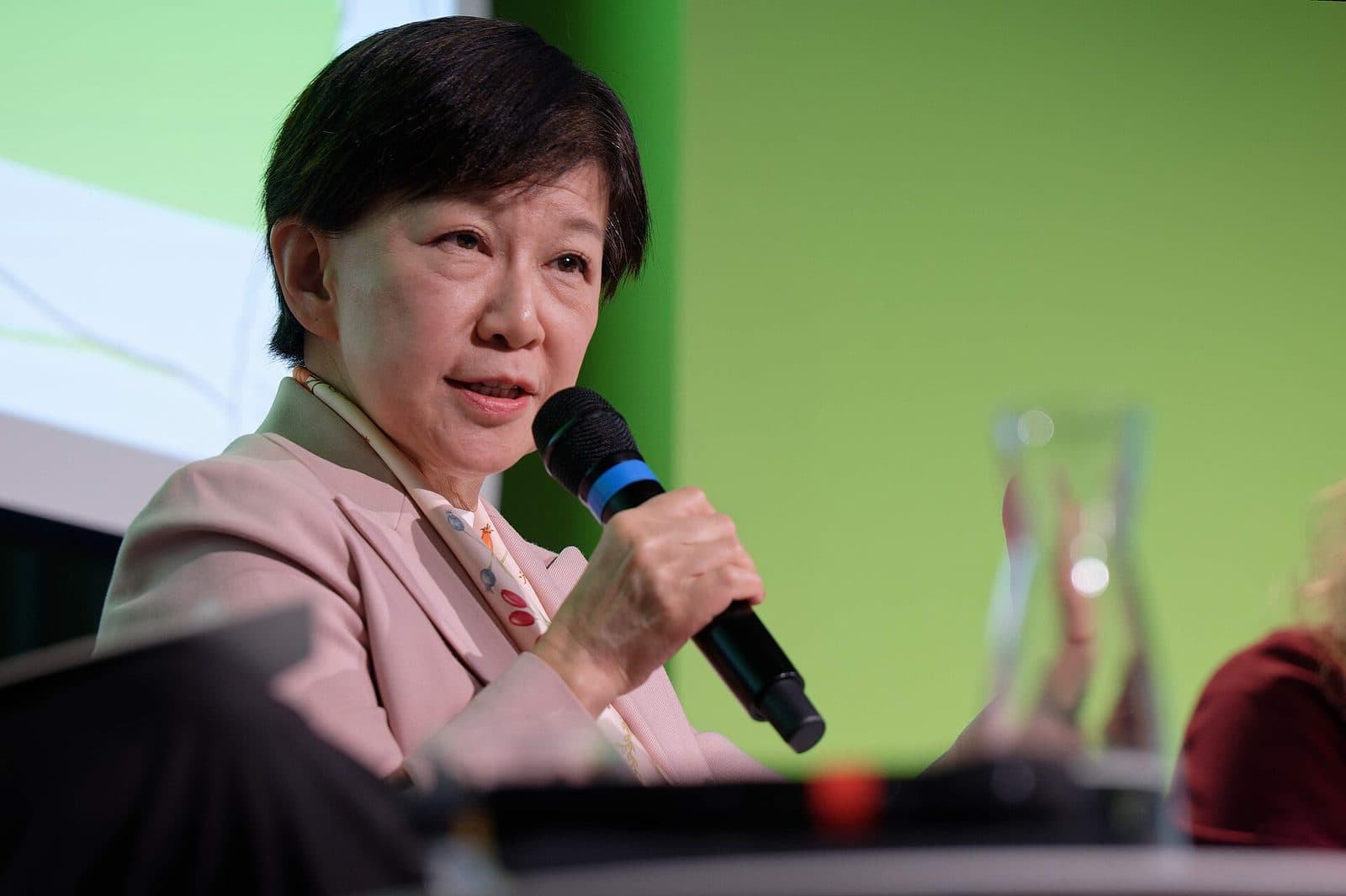
UN disarmament chief Izumi Nakamitsu welcomed the progress and called the agreement a significant achievement, while acknowledging its limitations. She said: "We at least have a mandate for high contracting parties to elaborate within two years." She also said: "The path to or possibility to have a legally binding instrument is still open; it's not closed,"
Under the new mandate, a group of governmental experts will work on drafting an instrument. The group will also put forward recommendations on what legal form it should take, including the question of whether it should become a binding protocol.
UN Secretary-General Antonio Guterres had wanted states to negotiate and finalise a legally binding instrument before the end of 2026. That goal was not met in Geneva.
Nakamitsu also said she was disappointed that procedural disagreements stopped the conference from reviewing how the convention is being implemented.
Swiss Ambassador Julien Thorneycroft, who presided over the conference, said: "As president of this conference and as representative of Switzerland, I am particularly pleased with today's outcome,"
The International Committee of the Red Cross said states had passed up the chance to give an immediate mandate to negotiate a binding agreement. It urged them to set up a binding instrument banning unpredictable autonomous weapons and systems that directly target humans, and to restrict the development and use of other autonomous weapons. The ICRC pointed to a call from 163 states, made in a First Committee resolution of the UN General Assembly approved last month, to negotiate such an instrument.
Why it matters for Pakistan
Rules on military AI are being debated globally, and Pakistan follows these talks as part of its security and diplomatic interests. The two-year process means the legal form of any instrument on autonomous weapons remains undecided, including whether it will be binding.
Get khabr.pk news on Facebook and YouTube
Short news videos every day, and the day’s top stories in your feed.