South Korea to send patrol aircraft and bomb-disposal team near Strait of Hormuz
South Korea's defence ministry said it will send a destroyer, patrol aircraft and a bomb-disposal team to waters near the Strait of Hormuz. Seoul says the mission protects shipping and is non-combat.
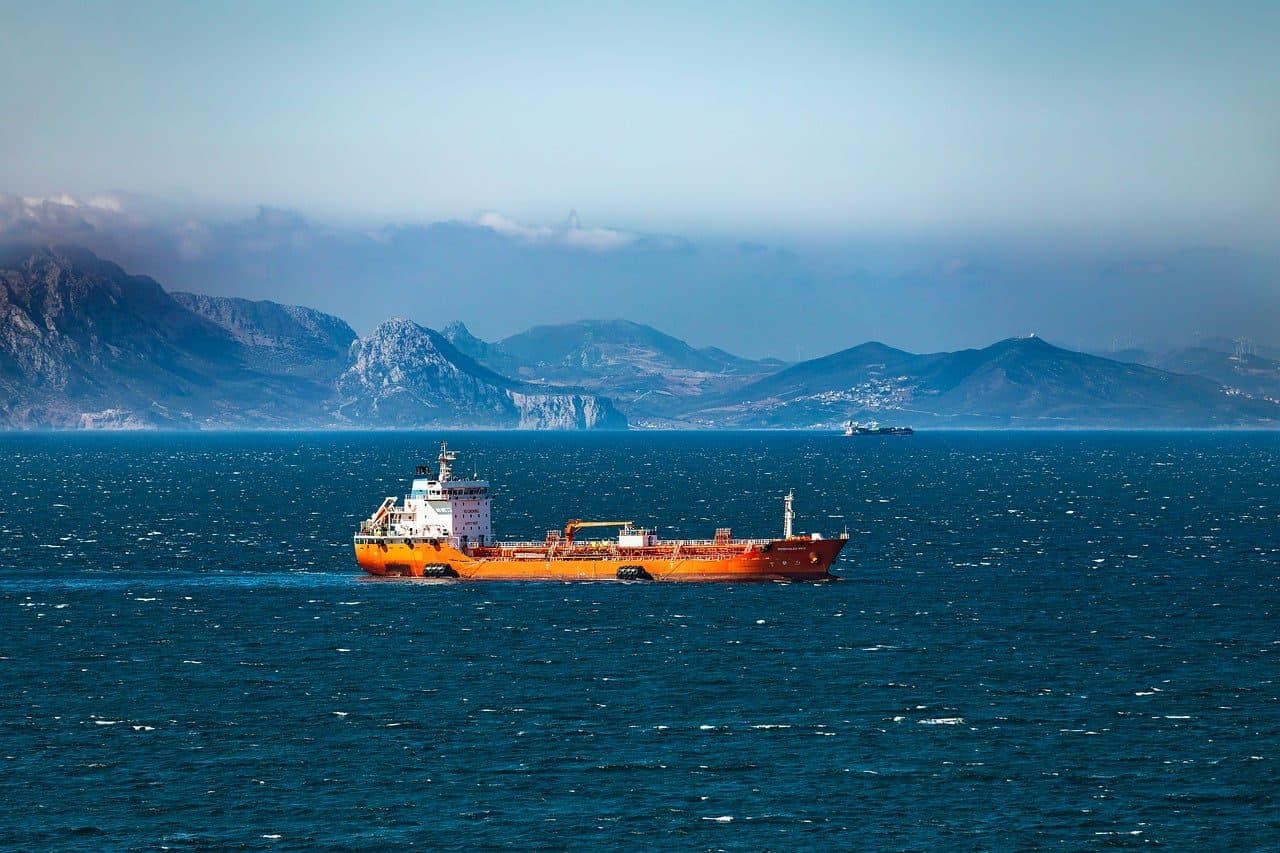
- South Korea will deploy a destroyer, a P-8 patrol aircraft and a bomb-disposal team near the Strait of Hormuz.
- Seoul says the mission is non-combat and rules out military intervention in the US-Iran war.
- Extending the Cheonghae unit's deployment needs parliamentary approval.
- Tehran has warned South Korea against the deployment.
South Korea's defence ministry said on Thursday that it will send patrol aircraft and an explosive ordnance disposal team to waters near the Strait of Hormuz. Seoul says the aim is to help keep the waterway open and protect commercial shipping and energy supplies.
The deployment will include a destroyer, a P-8 patrol aircraft, a bomb-disposal team, unmanned surface vessels, unmanned underwater vehicles and remotely operated underwater vehicles, according to France 24.
The plan expands the operating area of the Cheonghae anti-piracy naval unit, which currently protects ships in the Gulf of Aden off Somalia. Arab News, citing a ministry spokesperson and confirming a Yonhap News Agency report, said the government will submit a motion to parliament to extend the unit's Middle East deployment, which is set to expire at the end of 2026. Yonhap reported that the extension requires parliamentary approval.
Arab News reported that the move follows pressure from US President Donald Trump to provide support for the war in Iran.
The defence ministry says the reinforcement is strictly for non-combat purposes and that the unit will operate independently of allied forces. Operations will be restricted to open waters south of Oman, and patrol aircraft are barred from targeting or monitoring Iranian territory or the interior of the Strait.
South Korea has ruled out military intervention in the US-Iran war, which began on February 28. President Lee Jae Myung said: "We have upheld the principle of non-involvement and non-intervention in the war until now."
The Strait of Hormuz normally carries about a fifth of the world's oil, and shipping through it has been disrupted by the war. Tehran has warned South Korea against the deployment.
Background
khabr.pk reported on 2 November that Iran said it had a two-day plan with Qatari mediators to reopen the Strait of Hormuz, depending on the United States meeting its conditions. On 4 November it reported that Iran called the US reply to its seven conditions unconvincing.
Why it matters
Pakistan pays for fuel and shipping affected by disruption in the Strait of Hormuz. khabr.pk's records show petrol at Rs362 per litre and high-speed diesel at Rs387.81 per litre on 4 November. Any change in shipping through the waterway bears on the energy and freight costs that households and businesses in Pakistan face.