Lancet report urges climate change be declared a global health emergency
The Lancet's 2026 Countdown on Health and Climate Change says heat-related deaths have reached a record high. Its authors call for climate change to be formally recognised as a global health emergency.
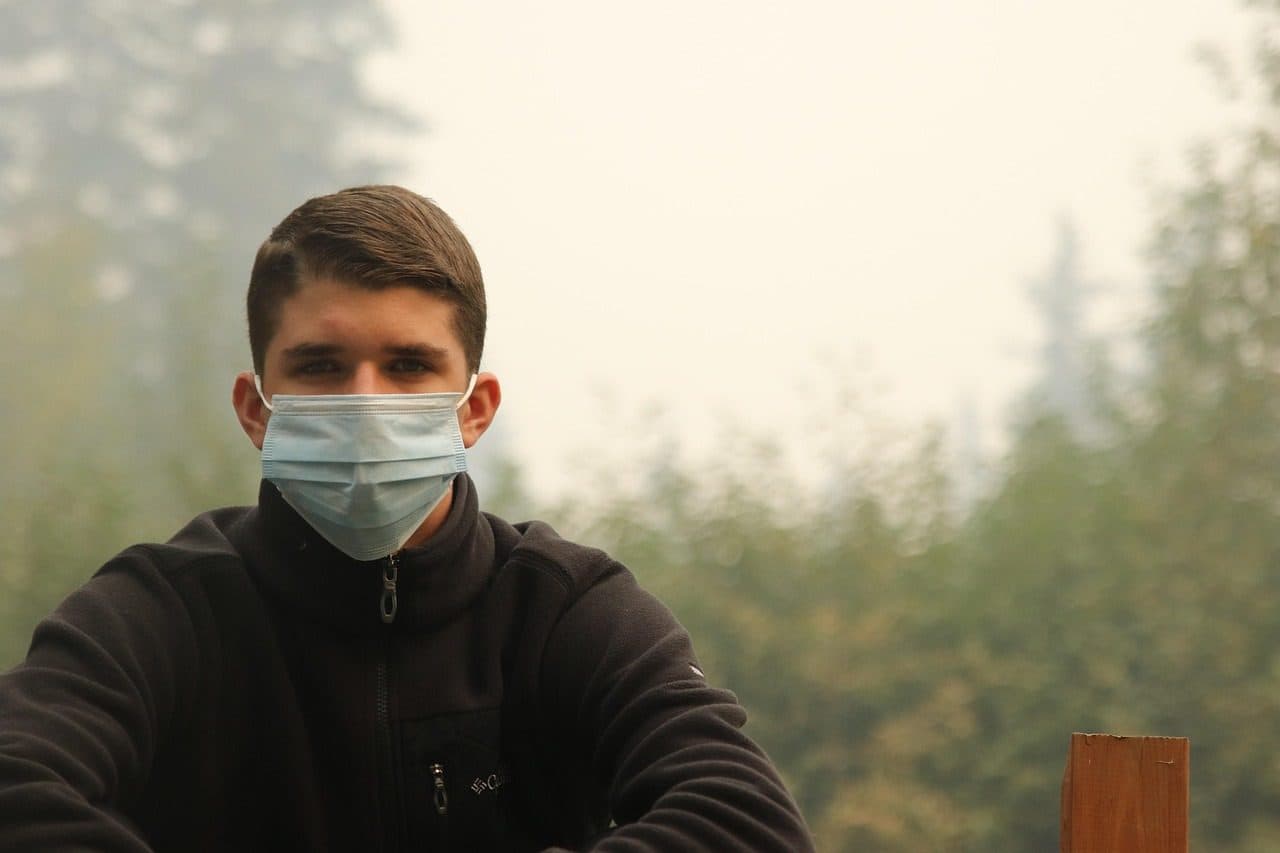
- The Lancet's 10th Countdown report brought together 146 researchers from 30 countries.
- An estimated 710,000 heat-related deaths occurred in 2023, with 71.5 percent attributed to climate change.
- Heat cost about US$1.07 trillion in lost productivity in 2025.
The Lancet's 2026 Countdown on Health and Climate Change has called for climate change to be formally recognised as a global health emergency. The report, the 10th edition, was published ahead of the COP 31 climate summit in November, according to Arab News.
Arab News reported that the report brought together 146 researchers from 30 countries to assess how climate change affects the health of the world's population. ScienceAlert said the Countdown tracks 54 health indicators and was first published 10 years ago.
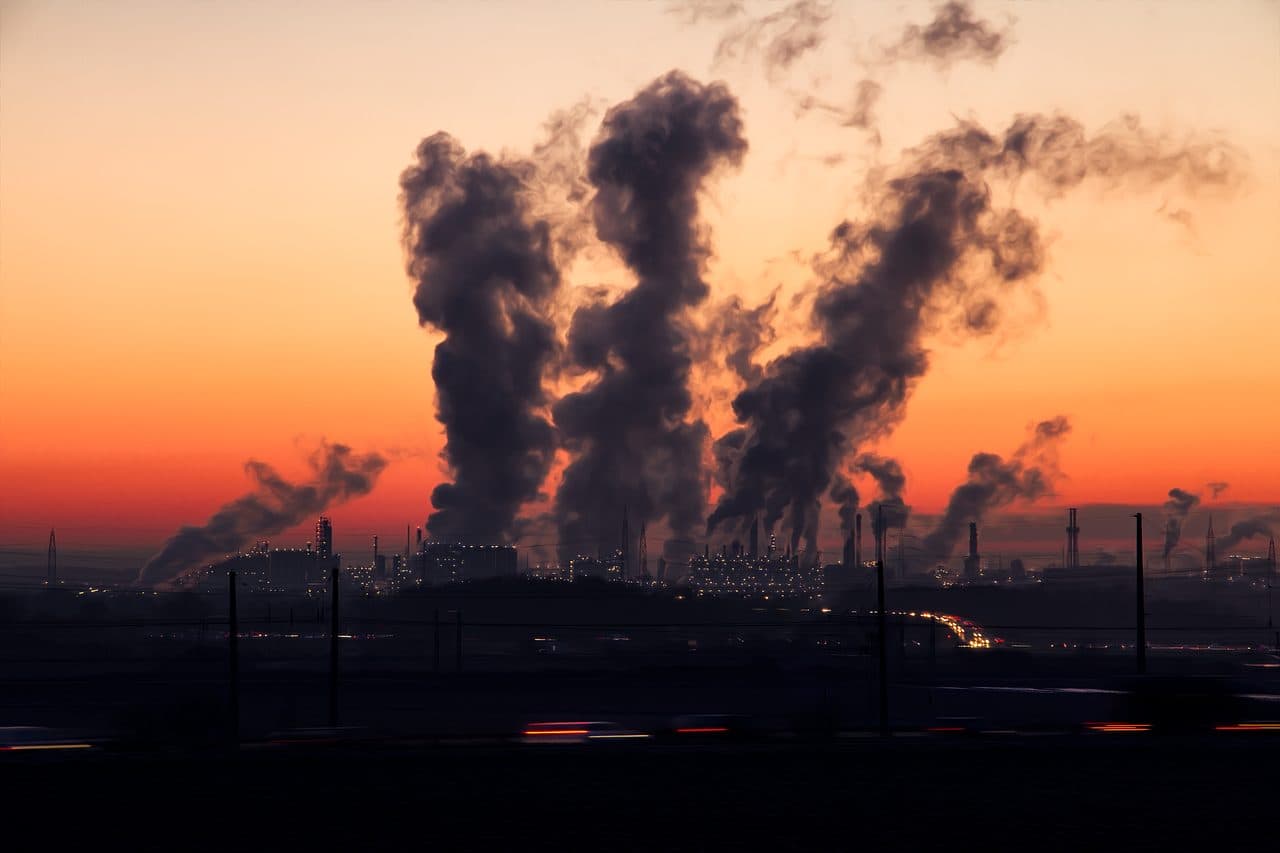
The report found that risks linked to extreme heat and drought continue to rise faster than climate action, despite growing investment in moving away from fossil fuels over the past decade.
According to the estimates, 710,000 heat-related deaths occurred worldwide in 2023, and 71.5 percent of them can be attributed to climate change. Without climate change, the figure would be around 200,000.
Between 2016 and 2023, an estimated 540,800 deaths each year were linked to heat. Climate change was responsible for 68 percent of them, or 369,900, up from 55 percent in 2006-2015.
The economic cost is also large. In 2025, heat cut global productivity by around US$1.07 trillion by limiting people's ability to work, with the greatest GDP losses in Southeast Asia and Africa. Agriculture and construction were hit hardest because they rely on physically demanding outdoor work.
Marina Romanello, executive director of The Lancet Countdown, said progress in clean energy, health system readiness and health-protective regulation is delivering benefits, but is too slow and too small and is not reaching those who need it most. The report also notes that drought and flooding strain health systems, and that the world's 100 largest oil and gas companies plan production by 2040 far above what would keep warming below 1.5°C.
The authors say the World Health Organization and United Nations should declare a global health emergency, governments should put health at the centre of climate decisions, and grant-based funding for climate and health should increase. Co-chair Anthony Costello said health-centred action is already delivering cleaner air and better warning systems, but emissions cuts remain out of step with the harm.
Why it matters
Heat-related deaths are a growing health risk in Pakistan's hot summers, and the report arrives ahead of the COP 31 climate summit.