India launches NVS-03 navigation satellite on GSLV rocket
India's space agency ISRO launched the NVS-03 satellite on a GSLV rocket on October 30 from Sriharikota. The satellite is meant to strengthen NavIC, India's own regional navigation system.
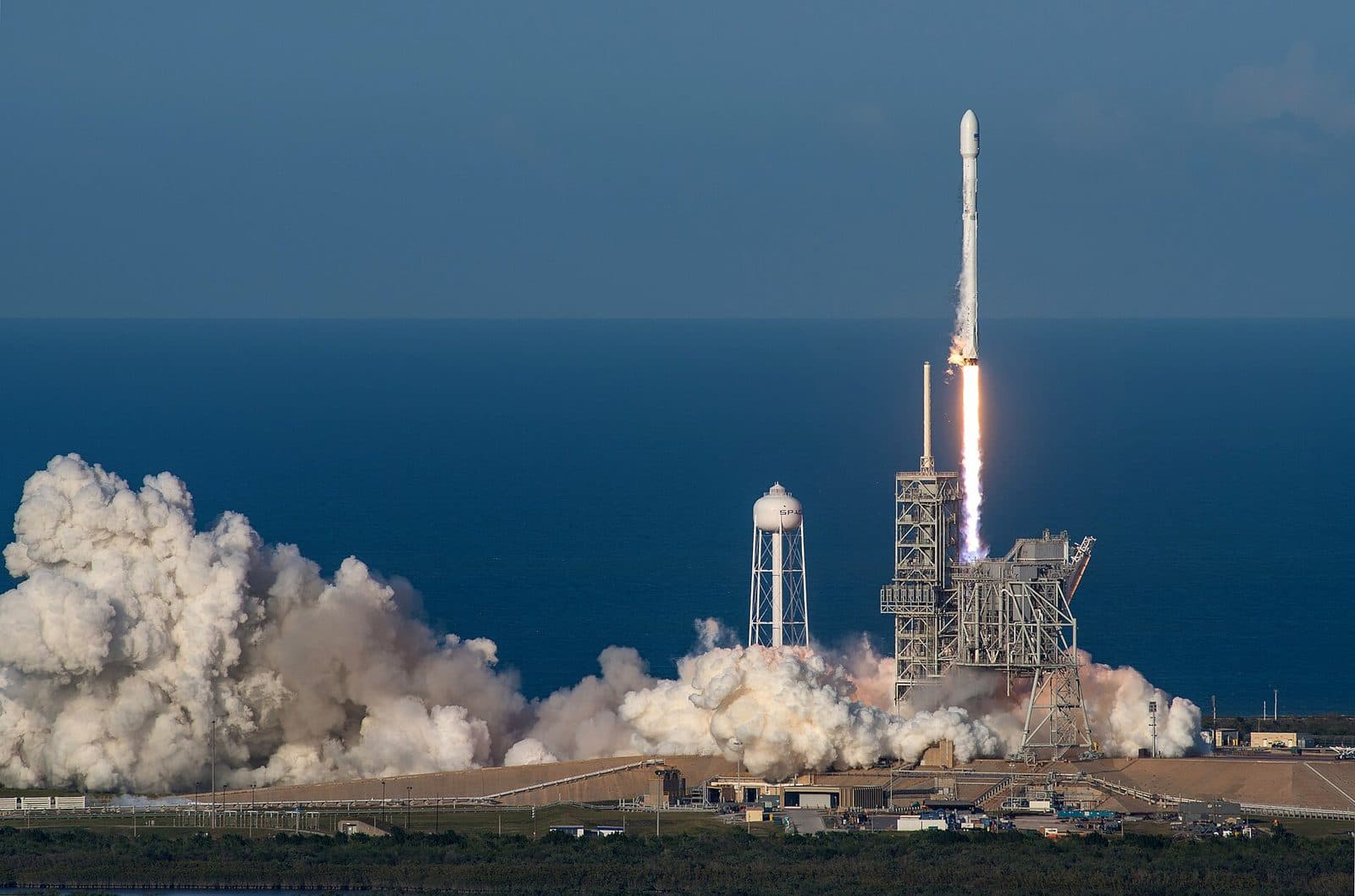
- ISRO launched NVS-03 on a GSLV rocket from Sriharikota at 11:51 pm India time on October 30.
- The satellite is the third of the second-generation series meant to augment NavIC.
- Space.com said the rocket placed it in geostationary transfer orbit as planned.
The Indian Space Research Organisation (ISRO) launched its NVS-03 navigation satellite on Friday, October 30, aboard a GSLV rocket from the Satish Dhawan Space Centre in Sriharikota, Andhra Pradesh. Liftoff was at 11:51 pm India Standard Time, which Space.com gave as 2:21 p.m. EDT.
Gulf News said the 50-metre-tall, three-stage GSLV-F18 carried the 2,232 kg satellite, with the aim of placing it in geosynchronous transfer orbit. Space.com reported that the rocket deployed NVS-03 into that orbit as planned, and that ISRO officials announced the deployment on X about 30 minutes after liftoff.
The satellite is meant to strengthen NavIC, India's indigenous navigation system. DW reported that the mission aims to reduce India's reliance on the US-owned GPS. In its liftoff message, ISRO said its rescue mission for NavIC was now underway.
Gulf News reported that NVS-03 is the third satellite of the second-generation NVS series. Space.com said NavIC currently has three fully functioning satellites and needs four to provide positioning, navigation and timing services. ISRO has planned five second-generation satellites to augment the existing constellation, according to Gulf News.
On technical details, Gulf News said the satellite carries an indigenous atomic clock along with procured atomic clocks. It adds the L1 navigation signal to the existing L5 and S signals. After deployment it will perform orbit-raising manoeuvres to reach its final geosynchronous slot at 32.5 degrees East.
ISRO described NavIC as a regional system built to give accurate positioning, navigation and timing service to users in India and in a region extending about 1,500 km beyond the Indian landmass, which is its primary service area. Gulf News said NavIC offers a Standard Positioning Service for civilian users and an encrypted Restricted Service for authorised users.
Space.com said this was the 14th launch of the GSLV Mark II, of which 12 have succeeded. It was also the fourth orbital launch from Indian soil in 2026 and the third operated by ISRO. The other was by Skyroot Aerospace, which in July became the first Indian company to reach orbit.
Why it matters
India's navigation programme is a regional space effort that readers in Pakistan follow, as NavIC's primary service area extends about 1,500 km beyond India's landmass.