Science and health this week: polio, Ebola, climate and space
khabr.pk's science and health reports this week covered polio in Pakistan, an Ebola outbreak in Africa and a new climate estimate. They also covered a salt study and work in space.

- Pakistan recorded its ninth polio case of 2026, in Khyber district, and a campaign is under way in 97 districts.
- Copernicus puts the chance of 2026 being the second-warmest year at about 80%.
- A study estimates potassium-enriched salt could prevent 2.96 million deaths a year worldwide.
Polio was the biggest health story for Pakistan this week. khabr.pk reported on 6 November that the country had recorded its ninth polio case of 2026, in a seven-month-old boy from Khyber district in Khyber Pakhtunkhwa. According to the National Emergency Operations Centre, seven of this year's nine cases are from that province and two are from Sindh.
A nationwide campaign is running from 2 to 8 November in 97 districts and aims to reach nearly 24 million children. Punjab said it vaccinated over six million children in 12 districts in three days. khabr.pk reported on 5 November that Prime Minister Shehbaz Sharif asked for a coordinated national anti-polio plan within one week, after consultations with all four provinces. The safety of polio workers was described as the government's top priority.
Another health report concerned infant feeding. khabr.pk reported on 5 November that the Drug Regulatory Authority of Pakistan now requires a breastfeeding message on all formula milk packs and labels, in Urdu and English. The rule covers local and imported products, including formula for children aged one to three years, and follows directions from the Senate Standing Committee on Health.
Abroad, the Bundibugyo Ebola outbreak continued. khabr.pk reported on 3 November that Africa CDC counted 5,376 deaths, 5,372 of them in the Democratic Republic of Congo, and 10,444 confirmed cases, with a fatality rate above 50%. On 5 November the World Health Organization approved adding two vaccine candidates to a trial in the Democratic Republic of Congo. No approved vaccine or treatment exists yet for this strain.
On research, khabr.pk reported on 4 November a study from The George Institute for Global Health, published in Nature Health. The researchers modelled a switch to potassium-enriched salt across 193 countries. They estimate 2.96 million deaths and 10.17 million new cases of heart and kidney disease could be prevented each year. The authors say people with advanced kidney disease or certain medications need precautions. This is a modelled estimate, not medical advice.
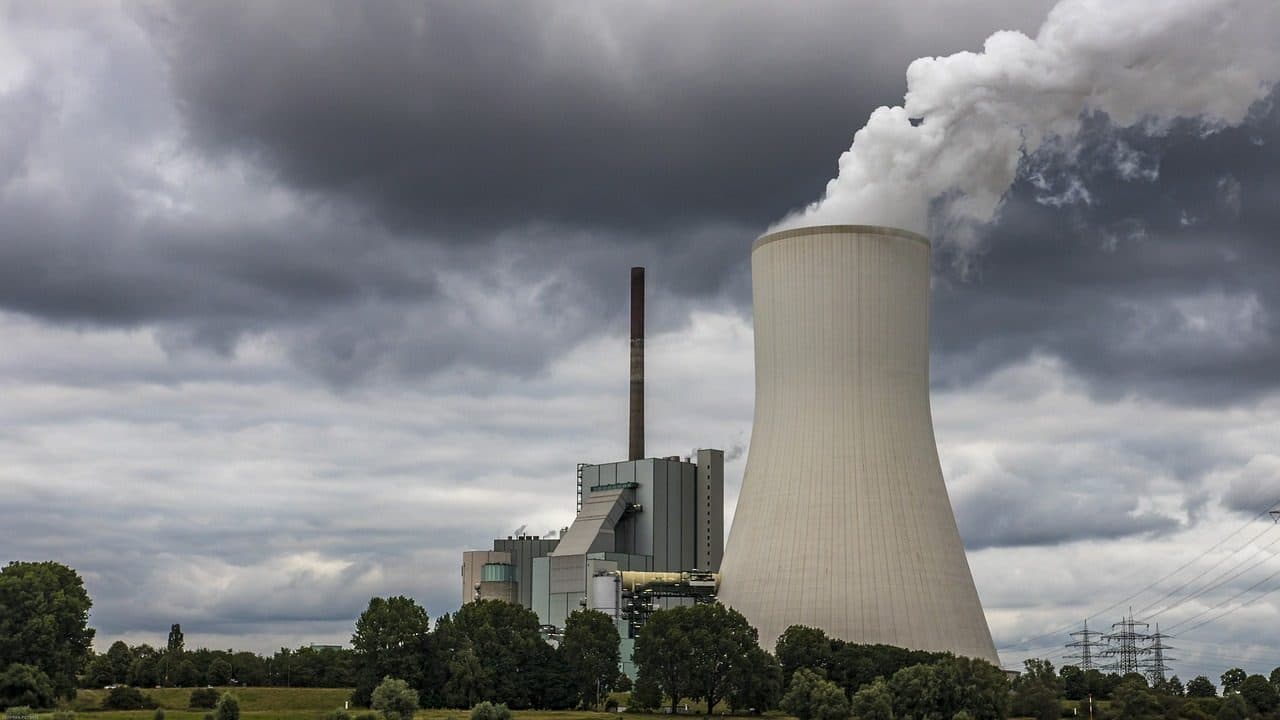
On climate, khabr.pk reported on 6 November that the EU's Copernicus service puts the chance of 2026 ranking second-warmest on record at about 80%, and of tying or beating 2024 at 20%. October 2026 was the warmest October on record, at 1.75C above pre-industrial levels. Copernicus said an intensifying El Nino is adding heat.
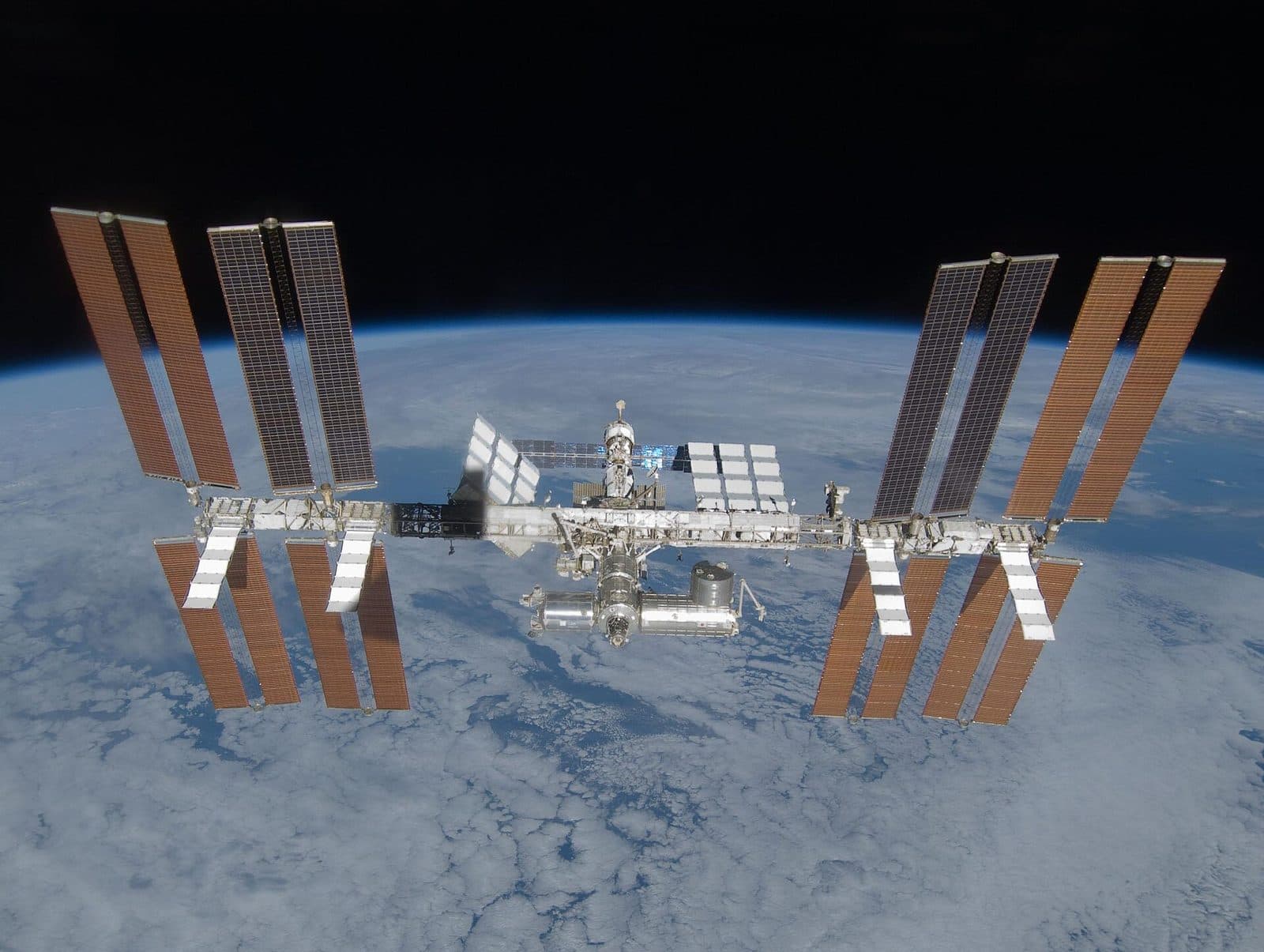
In space, astronauts Anil Menon and Joshua Kutryk installed the eighth and final roll-out solar array on the International Space Station on 5 November, in a spacewalk of six hours and 59 minutes. The upgrade is meant to raise the station's power from 160 to about 215 kilowatts. NASA's Swift observatory re-entered the atmosphere on 4 November off northern Sumatra after 22 years.
Why it matters for Pakistan
Polio affects families in Khyber Pakhtunkhwa and Sindh most directly, and the national plan and the campaign aim to protect millions of children. The new formula milk labelling rule concerns parents of young children across Pakistan. Public hospitals in Punjab are meant to benefit from the Rs37 billion provided for free treatment. The salt study is a modelled estimate, and the authors say some people with kidney disease or certain medications need precautions. The climate estimate gives readers context for the heat the world is seeing.