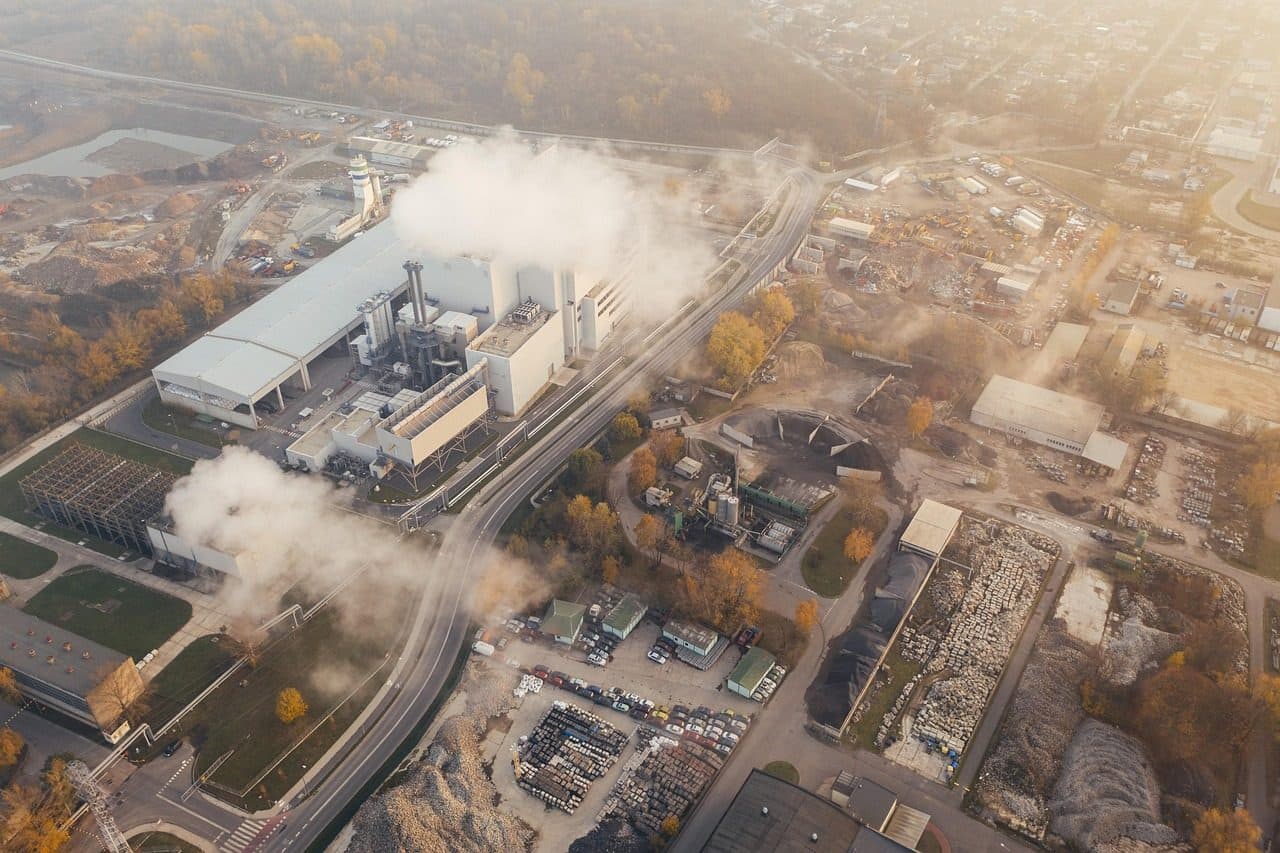
Global fossil CO2 emissions projected to fall 0.4% in 2026, study says
Global fossil CO2 emissions are projected to fall 0.4% in 2026, according to the Global Carbon Budget. Researchers link the drop to clean energy growth and an oil price shock tied to the Iran conflict.
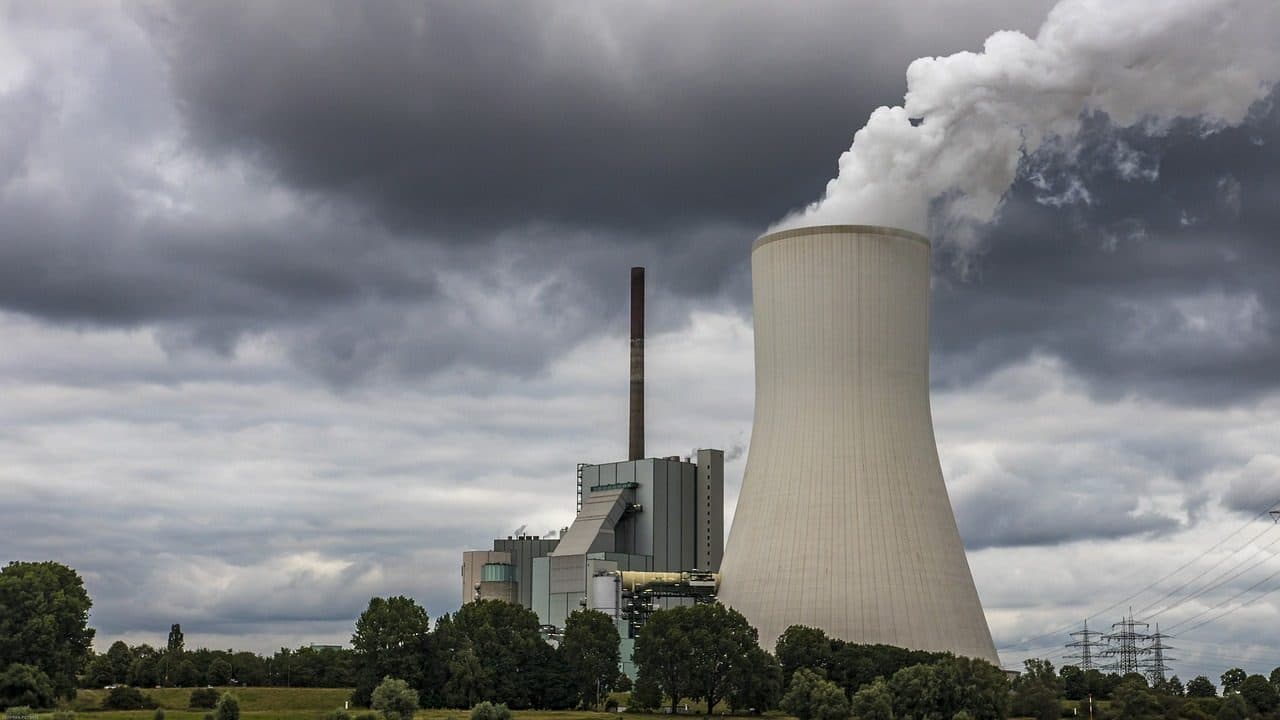
- Fossil CO2 emissions are projected at 38.2 billion tonnes in 2026, down 0.4%.
- Oil emissions are projected to fall 1.9%, while coal emissions rise 0.6%.
- India's emissions are projected to rise 4.4%, China's to fall 0.9%.
- Researchers say a drop driven by geopolitical shocks is not a lasting solution.
Global carbon dioxide emissions from fossil fuels are projected to fall by 0.4% in 2026, according to the 2026 Global Carbon Budget, the 21st annual edition of the report by the Global Carbon Project. New Scientist reported that it would be the first drop in five years.
The budget projects about 38.2 billion metric tons of fossil CO2 emissions this year. Including land-use change, total CO2 emissions are projected at 43.3 billion metric tons, up from 42.8 billion last year. The work involved more than 140 researchers, and the findings appear in Earth System Science Data and Nature Climate Change.
Oil emissions are projected to fall 1.9% and natural gas emissions 0.3%, while coal emissions are projected to rise 0.6%. Emissions from international aviation and international shipping are each projected to fall 1%. According to New Scientist, the oil drop follows an energy shock linked to the war on Iran that began in February, when Iran blockaded the Strait of Hormuz, which carries about 20% of the world's oil and liquefied natural gas.
By country, China's emissions are projected to fall 0.9%, and China produces 32% of global fossil emissions. The United States is projected to fall 1.3%, the European Union 1.5% and Japan 1%. India's emissions are projected to rise 4.4%, and the rest of the world is projected to fall 0.7%.
Researchers also point to clean energy. Two-thirds of the growth in global energy demand is being met by solar and wind power and electric vehicles, but this is not yet fast enough for a durable decline in emissions. Corinne Le Quéré of the University of East Anglia said: "Clean technologies are making a real difference in reducing global emissions. Solar and wind power and electric vehicles are expanding rapidly, led by China."
Scientists cautioned against reading the fall as a turning point. Pierre Friedlingstein of the University of Exeter said: "A decline in fossil CO₂ emissions is encouraging, but a reduction driven partly by geopolitical shocks is not a sustainable climate solution." Glen Peters of CICERO said: "A drop in emissions in one year is not a peak unless it is driven by structural change."
Robbie Andrew of CICERO said emissions would be expected to bounce back if there are no further crises. Le Quéré said that if the oil price returns to pre-conflict levels, emissions will most likely rebound until renewable energy accelerates further. The report puts the remaining carbon budget for 1.5°C at 150 billion metric tons, less than four years of emissions at the current rate, and says a powerful El Niño is expected to have a significant impact in the coming year.
Background
khabr.pk reported on 6 November that the EU's Copernicus service said 2026 is most likely the second-warmest year on record, with about an 80% probability. On 28 October we reported that the Lancet's Countdown on Health and Climate Change found heat-related deaths at a record high.
Why it matters for Pakistan
Pakistan is among the countries facing the heat and flood risks that global emissions trends shape, and the findings come ahead of the COP31 climate conference. The study says the energy shock is still affecting petrol prices and household gas bills, and khabr.pk recorded petrol at Rs346 per litre and high-speed diesel at Rs378 on 7 November. India, a neighbour, is projected to see emissions rise 4.4% this year.