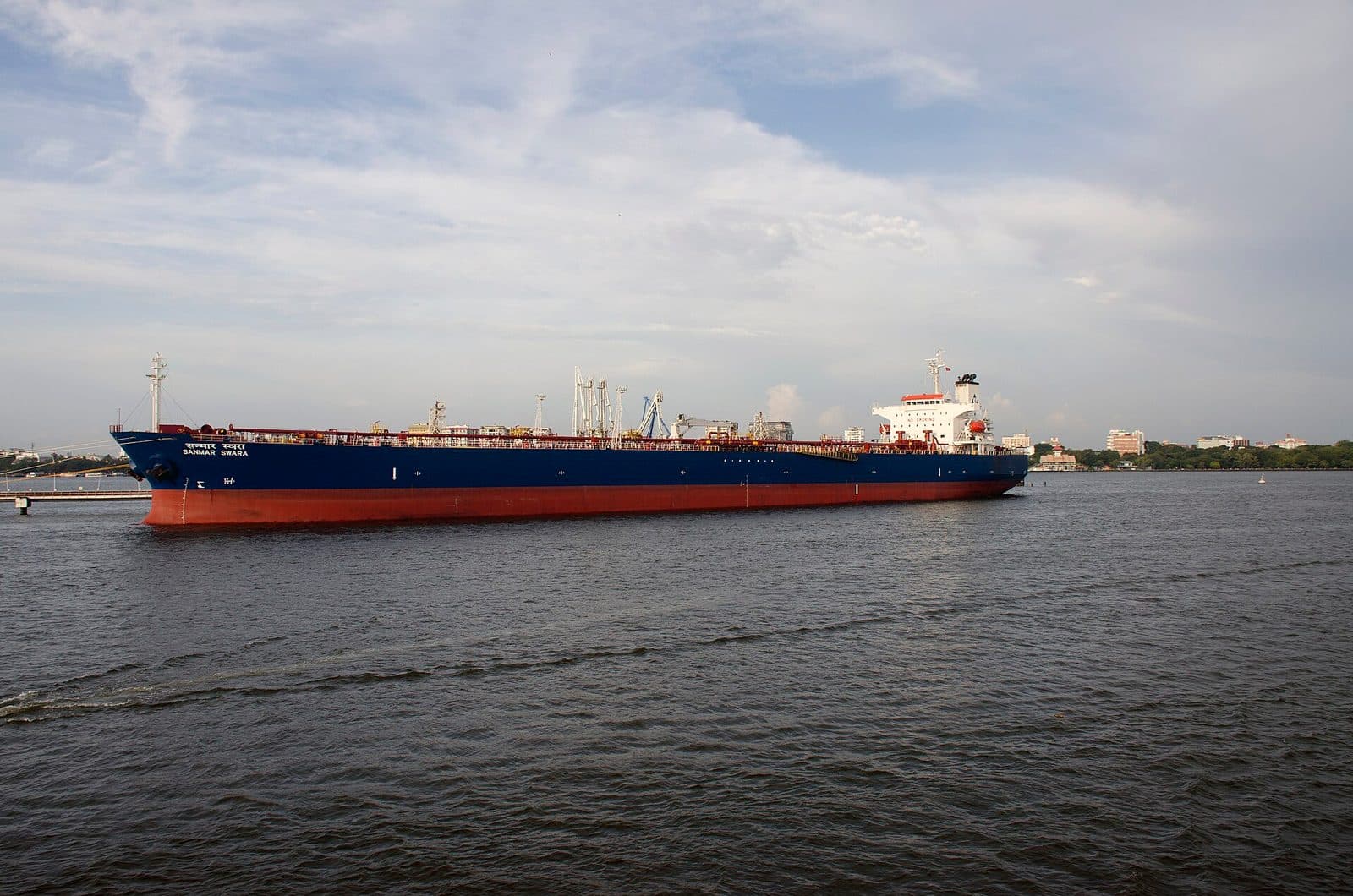
OPEC says Saudi oil output nears pre-Iran war levels in October
OPEC's monthly report says Saudi Arabia pumped 10.563 million barrels per day in October, its highest since the Iran war began. OPEC+ output rose to 41.23 million bpd.
For information only, not investment advice. Prices change quickly: check the time and source of every figure.
- Saudi crude output was 10.563 million bpd in October, up by over two million bpd from September.
- OPEC+ pumped 41.23 million bpd, about 2.04 million bpd more than in September.
- OPEC left its global oil demand growth forecasts unchanged after six straight monthly cuts.
Saudi Arabia pumped 10.563 million barrels per day (bpd) of crude oil in October, according to a monthly report from OPEC issued on Wednesday. That is more than two million bpd above its September output and the highest since the Iran war began in late February.
In February, when the war began, Saudi Arabia produced 10.882 million bpd. It had sharply increased production that month ahead of US and Israeli strikes on Iran.
OPEC+ as a whole pumped 41.23 million bpd in October, up about 2.04 million bpd from September, the report said. According to Reuters, that equals 97 percent of the 42.72 million bpd the group produced in February.
Russia's output also increased after US President Donald Trump lifted sanctions on Russian energy. Trump announced an energy ceasefire between Ukraine and Russia in mid-October.
Shipping disruptions continue. Umud Shokri, an energy strategist and senior visiting fellow at George Mason University, said one reason Saudi Arabia has been able to recover some of its exports is its East-West Pipeline, which "allows crude oil to move across the country to the Red Sea port of Yanbu without passing through the Strait of Hormuz". Houthi rebels in Yemen attacked the pipeline and continued to target it that week.
Japan's crude imports fell sharply in September amid renewed disruptions to trade flows, according to the OPEC report. The UAE regained its position as top supplier with a 49 percent share, against 25 percent the previous month. The US was second with 28 percent and Saudi Arabia third with 14 percent.
On demand, OPEC left its growth forecasts unchanged after cutting them for six straight months. It expects demand to grow by 180,000 bpd in 2026 and by 2.55 million bpd in 2027, to an average of 108.3 million bpd. The report forecasts Qatar, Canada, Brazil and Argentina will drive growth in energy-related liquids production in 2027.
Shokri said the higher supply could help "ease some of the inflationary pressure facing American consumers". US gasoline prices fell below $4 a gallon for the first time in months in the week of the report.
Background
khabr.pk reported on 26 October that Brent crude traded around $114 to $115 a barrel as attacks on Saudi Arabia kept supply concerns in focus. By 10 November, Brent was near $91 a barrel, with both main contracts down about 20% that month, after Trump said military action against Iran was not needed "at this point".
Why it matters for Pakistan
Global crude prices feed into petrol and diesel prices set in Pakistan. On 11 November petrol stood at Rs335 per litre and high-speed diesel at Rs364 per litre. Higher Saudi and OPEC+ supply is one factor in the oil market that affects import costs for fuel buyers, from households to transporters and businesses.
Get khabr.pk news on Facebook and YouTube
Short news videos every day, and the day’s top stories in your feed.