Karachi opens Pakistan's first sponge park to conserve rainwater
Karachi has inaugurated Pakistan's first experimental sponge park at Jamali Park in Gulberg Block 2. The system is designed to absorb, store and reuse rainwater.
- Jamali Park in Gulberg Block 2 hosts Pakistan's first experimental sponge park.
- WWF-Pakistan, Gulberg Town Municipal Corporation and the private sector built it in six months.
- Filtered rainwater and mosque ablution water is reused to irrigate the park.
Karachi has inaugurated Pakistan's first experimental water-resilient sponge park at Jamali Park in Gulberg Block 2, The Express Tribune reported. The system is designed to absorb, store and reuse rainwater.
The project was completed in six months through a partnership between WWF-Pakistan, the Gulberg Town Municipal Corporation and the private sector. Gulberg Town Chairman Nusratullah described the inauguration as a major milestone.
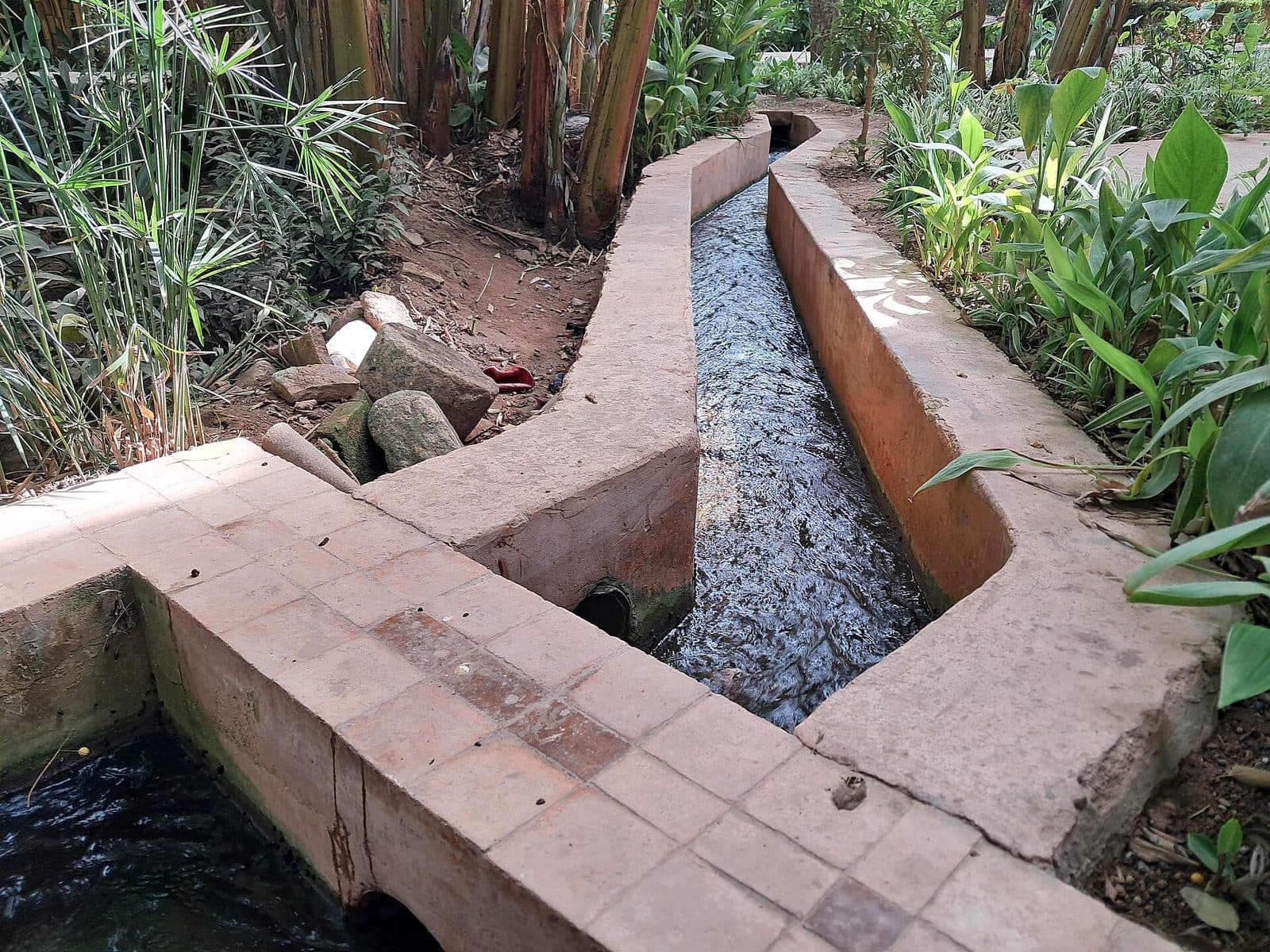
The system captures rainwater as well as water from the ablution facilities of a nearby mosque. After filtration, the water is stored underground or in tanks and used to irrigate the plants and trees in the park.
Locally developed filters are installed beneath the park's water channels. They are made of layers of gravel, sand, silica, activated carbon, biochar and zeolite, using locally sourced materials such as soil and small stones.
Each layer has a role. Gravel and larger particles remove soil and debris, while sand and silica trap finer particles. Activated carbon and biochar absorb chemical and organic pollutants, and zeolite helps reduce certain heavy metals and other contaminants.
Naim Ashraf Raja, director of biodiversity at the Ministry of Climate Change and Environmental Coordination, said: "Underground freshwater reserves had been extensively extracted through boreholes and other methods, making it essential to replenish them through natural processes."
Residents can scan barcodes to obtain plants, including indigenous tamarind, almond, peepal and gulmohar trees. Those who take plants must commit to proper care and stay in contact with the park administration so the plants can be monitored. The park also has areas dedicated to biodiversity and butterflies.
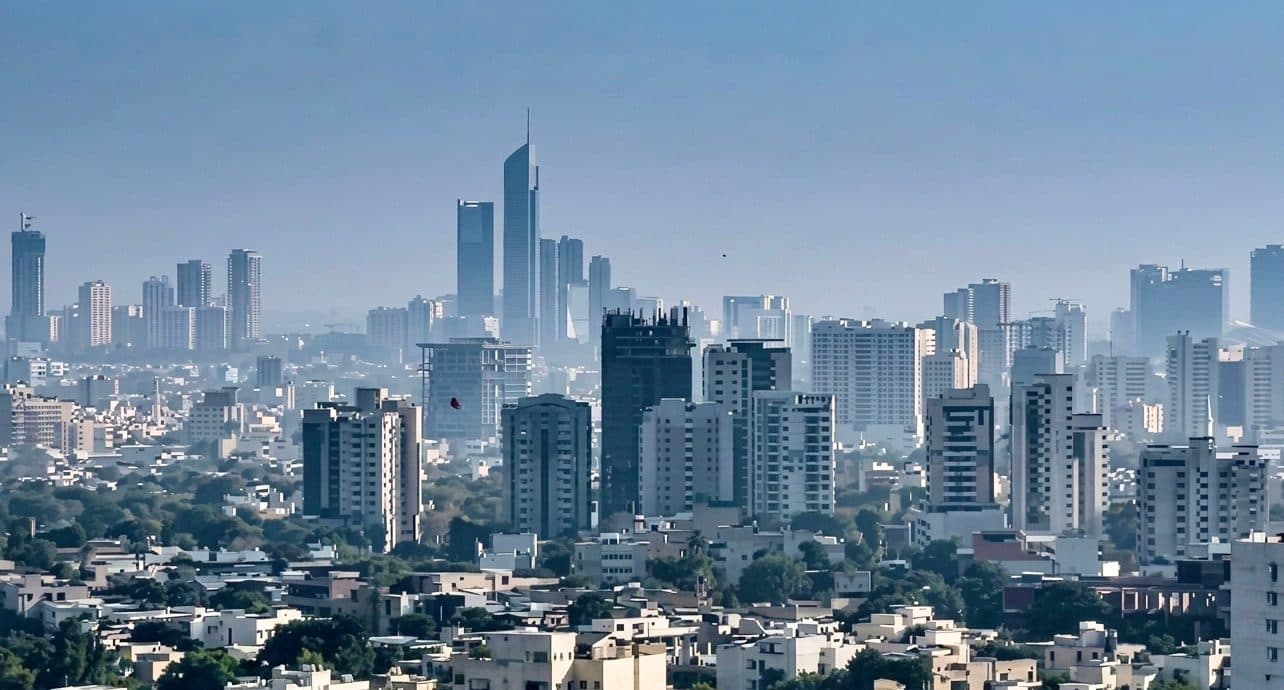
The report said concrete surfaces, tiled areas and paved roads across much of Karachi prevent rainwater from seeping into the ground. If the Jamali Park experiment proves successful, the model could be extended to other parks and public spaces in the city.
Why it matters for Pakistan
Karachi's concrete and paved surfaces stop rainwater from soaking into the ground, according to The Express Tribune. The Jamali Park project aims to recharge groundwater and reduce urban flooding, both of which affect residents of the city. Filtered water is reused to irrigate the park, and residents of the area can collect plants through the barcode system. The model could be extended to other parks and public spaces if the experiment succeeds.
Get khabr.pk news on Facebook and YouTube
Short news videos every day, and the day’s top stories in your feed.