Govt unveils new auto policy to cut vehicle prices and push EVs
The federal government unveiled a new auto policy on Saturday that it says will make non-luxury vehicles cheaper and promote electric vehicles. It sets a target of $6 billion in auto exports over five years.
For information only, not investment advice. Prices change quickly: check the time and source of every figure.
- Government says all vehicles except luxury ones will become cheaper under the new auto policy.
- Auto exports are targeted to reach $6 billion over five years.
- Sales tax on electric vehicles is set at 1 percent, and charging station machinery gets zero customs duty.
- The policy still needs IMF approval, according to Express News.
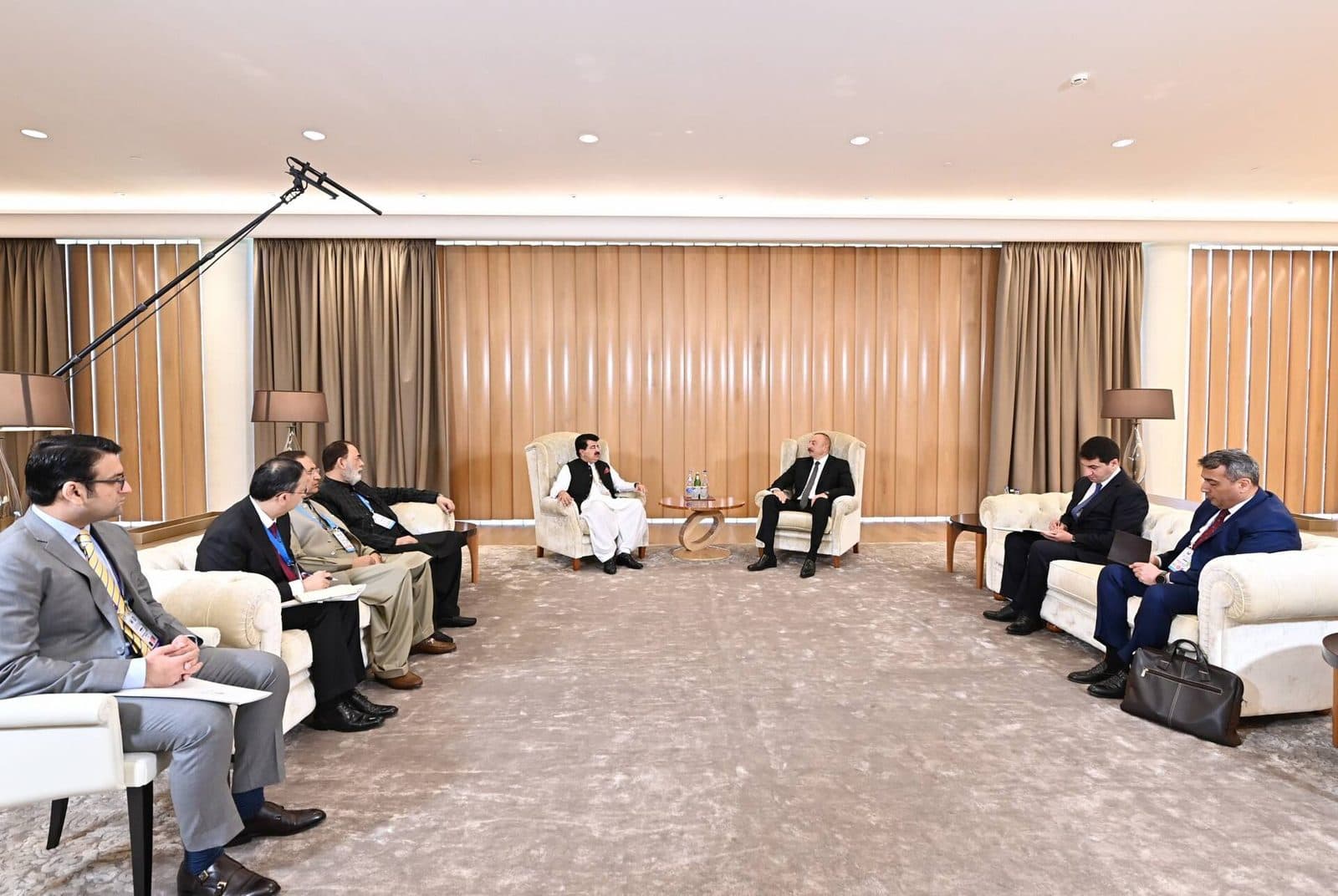
The federal government unveiled a new auto policy on Saturday aimed at promoting electric vehicles and local manufacturing and reducing the fuel import bill. Information Minister Attaullah Tarar and Haroon Akhtar Khan, adviser to the prime minister on industries and production, announced it at a press conference in Islamabad.
Haroon Akhtar said the policy would make all vehicles except luxury ones cheaper. Other outlets reported that he said prices would come down gradually. He said it was prepared after extensive consultations and that the prime minister took a keen interest in it. Business Recorder reported that Prime Minister Shehbaz Sharif has approved the final draft, which will go to the federal cabinet for formal approval.
Haroon Akhtar said the policy focuses on six areas: affordable vehicles, localisation, export promotion, vehicle safety, electric mobility and transparency. Duties on CKD kits, vehicle components and raw materials will be reduced gradually over five years. Localisation targets will become mandatory for automakers and linked to export incentives.
On exports, the government aims to raise cumulative auto-sector exports to $6 billion over the next five years. TechJuice reported this as an increase from $200 million. Haroon Akhtar said: "Companies achieving their export targets will receive a 5% drawback of local taxes and levies (DLTL), along with an additional 10% incentive on export growth. Manufacturers failing to meet their targets will also face penalties."
Express News reported that the policy includes 45 additional safety standards. It said sales tax on electric vehicles is 1 percent, on range-extended models 6 percent and on plug-in hybrids 9 percent. Heavy commercial vehicles with large engines will face additional duty. Sales tax on charging station machinery is 1 percent and customs duty is zero.
Tarar said the policy would reduce imported petroleum and environmental pollution. He said: "If we reduce the fuel import bill, the resources saved can be diverted towards public facilities, infrastructure, healthcare and education". He also said decades of high import duty protection did not deliver the expected improvements for consumers.
Petrol vehicles up to 1,000cc are not affected by the changes, Tarar said. He added that a formal policy is being framed for non-custom-paid vehicles in Khyber Pakhtunkhwa so that all vehicles are registered through the Customs and Excise departments. Express News reported that the policy still needs IMF approval.
Why it matters
Car buyers in Pakistan are told that prices of non-luxury vehicles should fall gradually, although the government has not given figures in rupees. Buyers of petrol cars up to 1,000cc will see no change from the policy. Electric vehicle and charging station buyers and operators face lower sales tax and, for charging equipment, zero customs duty. The government says lower fuel imports would reduce pollution and free funds for public services..