Astronauts finish ISS solar array upgrade in nearly seven-hour spacewalk
NASA's Anil Menon and Canada's Joshua Kutryk installed the eighth and final roll-out solar array on the International Space Station on Thursday. The work completes a upgrade that began in 2021.
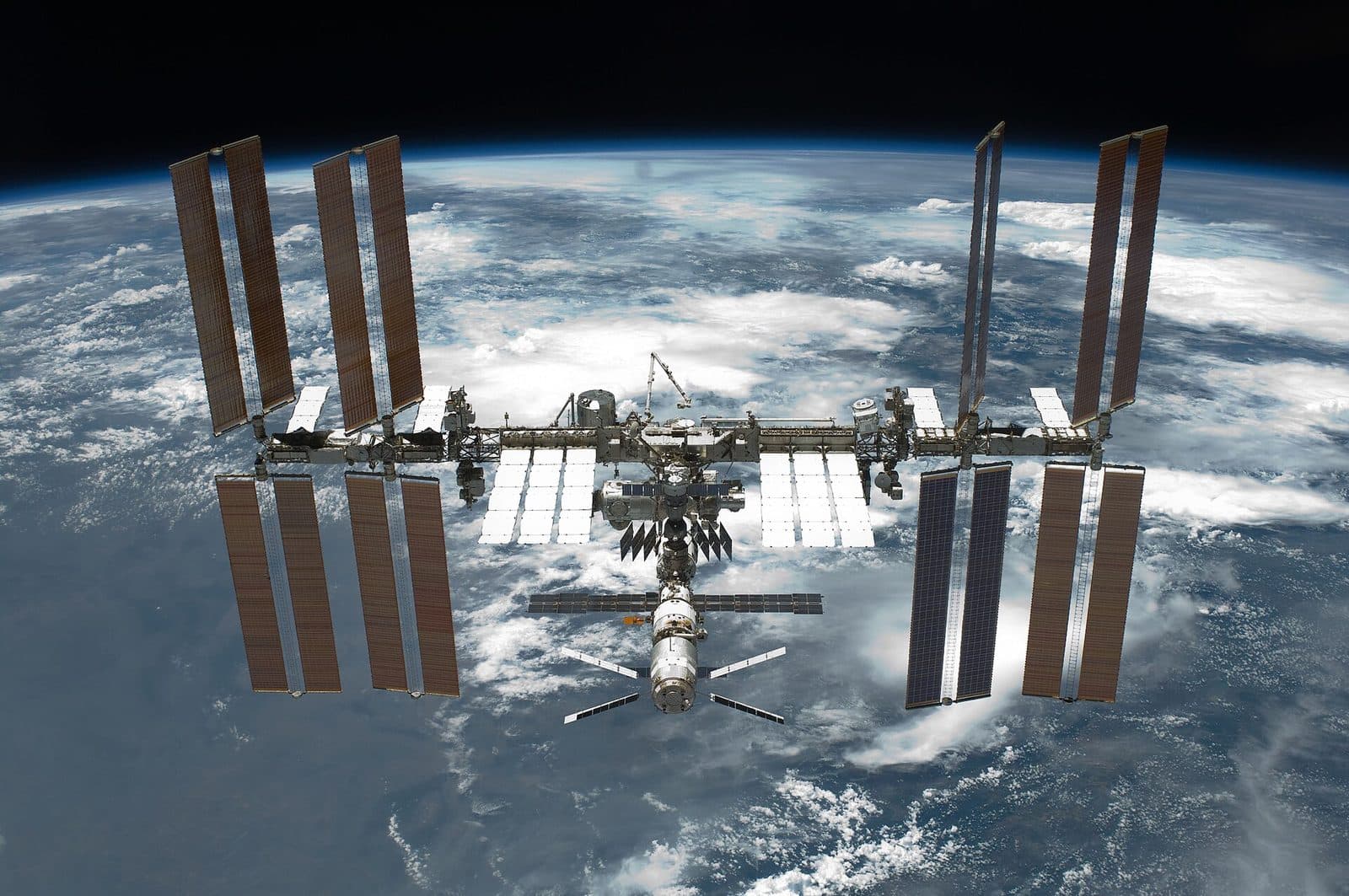
- Menon and Kutryk mounted the eighth and final roll-out solar array on 5 November.
- The spacewalk lasted six hours and 59 minutes.
- The upgrade is meant to raise the station's power from 160 to about 215 kilowatts.
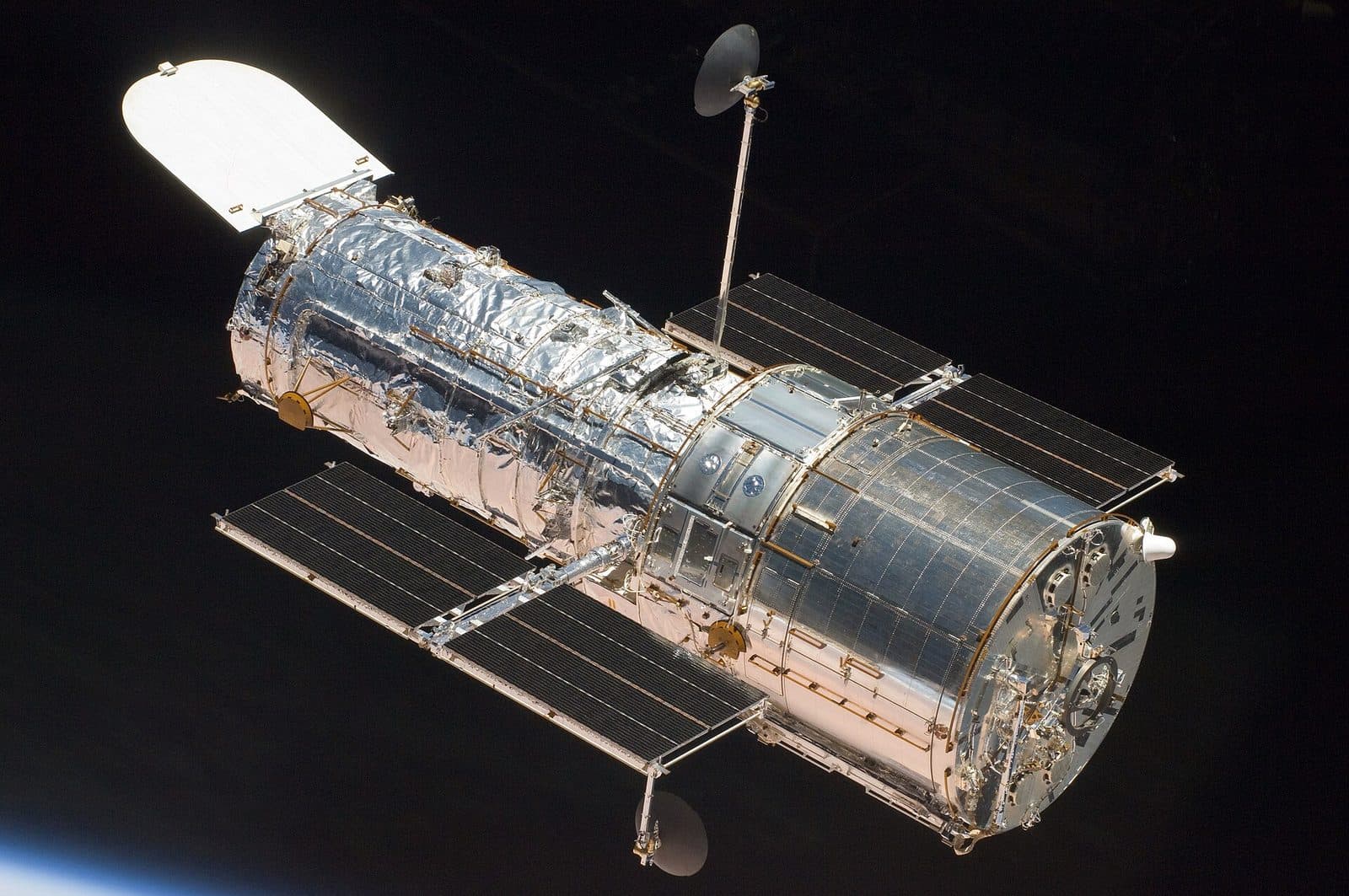
Two astronauts on Thursday, 5 November, installed the eighth and final ISS Roll-Out Solar Array, known as an iROSA, on the International Space Station, CBS News reported. NASA's Anil Menon and Joshua Kutryk of the Canadian Space Agency carried out the work, which completes a five-year effort to boost the station's power.
According to CBS News, the spacewalk began at 8:36 a.m. ET and ended at 3:35 p.m., lasting six hours and 59 minutes. Before the event, Space.com had said it was scheduled to start at 8:30 a.m. EST and last roughly seven hours.
The station's robot arm mounted the final two rolled-up iROSA blankets on the left side of the power truss. The arm could not reach the far right end of the truss, so Menon and Kutryk handed the eighth iROSA to each other to carry it there. They then unfolded it, bolted it in place and connected power and data cables during orbital darkness.
CBS News reported that flight controllers noticed one of the two still-rolled-up blankets did not appear to be generating the expected electricity. The spacewalkers waited for another night pass to double-check the connections. The problem was resolved and the blankets were extended to their full length of 63 feet.
NASA began the upgrade in 2021, when two spacewalkers installed the first iROSA, and six more panels followed on later spacewalks. Menon and Kutryk installed the seventh on 29 October, which Space.com said was the 100th U.S. spacewalk from the station and the first by a Canadian astronaut since 2019. The final two arrays arrived earlier this month on a SpaceX Cargo Dragon capsule.
NASA officials wrote in a blog post on 3 November that the installation "will complete the years-long process that began in June 2021 to augment the space station’s power generating capacity from 160 kilowatts to about 215 kilowatts." That is an increase of about 30%. The upgrade offsets age-related degradation of the station's original arrays.
Menon said: "These solar arrays are incredible, half the size of the old ones. It's delivering 40% more power." He added: "It's really empowering all this research that we do and everything that we do to transform space and open the doors to the future." CBS News said the station is planned to be retired and de-orbited in 2030.
Background
khabr.pk has reported on other NASA missions recently, including plans for the Artemis III test flight in 2027 and an Artemis IV crewed Moon landing in 2028.
Why it matters for Pakistan
The International Space Station is a research laboratory run by several countries, and Menon said the added power supports the research done there. The story is part of the world science news that Pakistani readers follow. CBS News reported that the station is planned to be retired in 2030.