NASA's Swift telescope falls to Earth over Sumatra after 22 years
NASA's Swift observatory re-entered the atmosphere on 4 November at 7:39 a.m. EST off northern Sumatra. A rescue mission to lift its orbit had failed earlier this year.
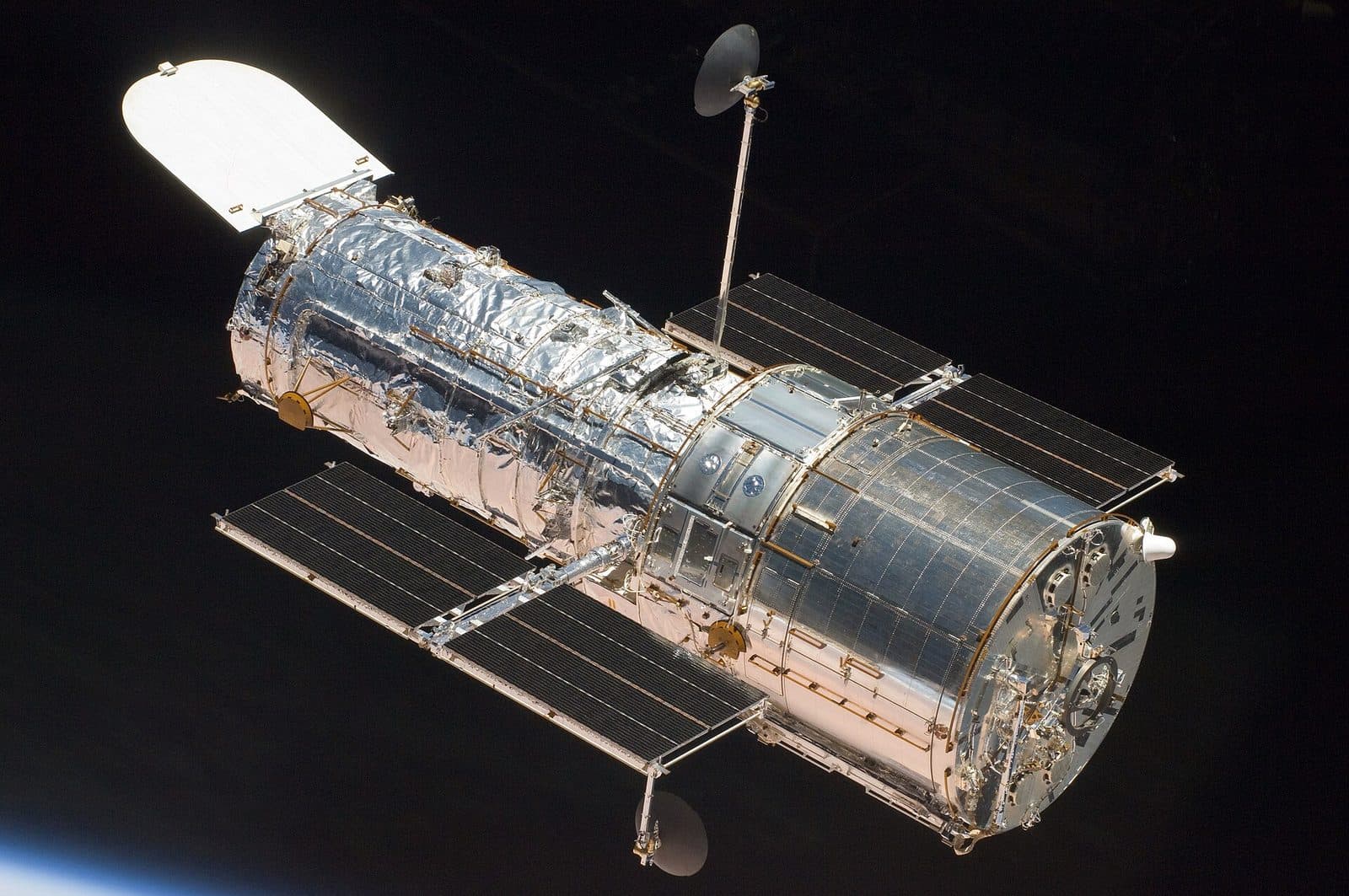
- Swift re-entered at 7:39 a.m. EST on 4 November, off northern Sumatra, per Jonathan McDowell citing US Space Force data
- NASA put the chance of debris harming anyone at about 1 in 2,100
- A July rescue attempt by Katalyst's LINK spacecraft failed
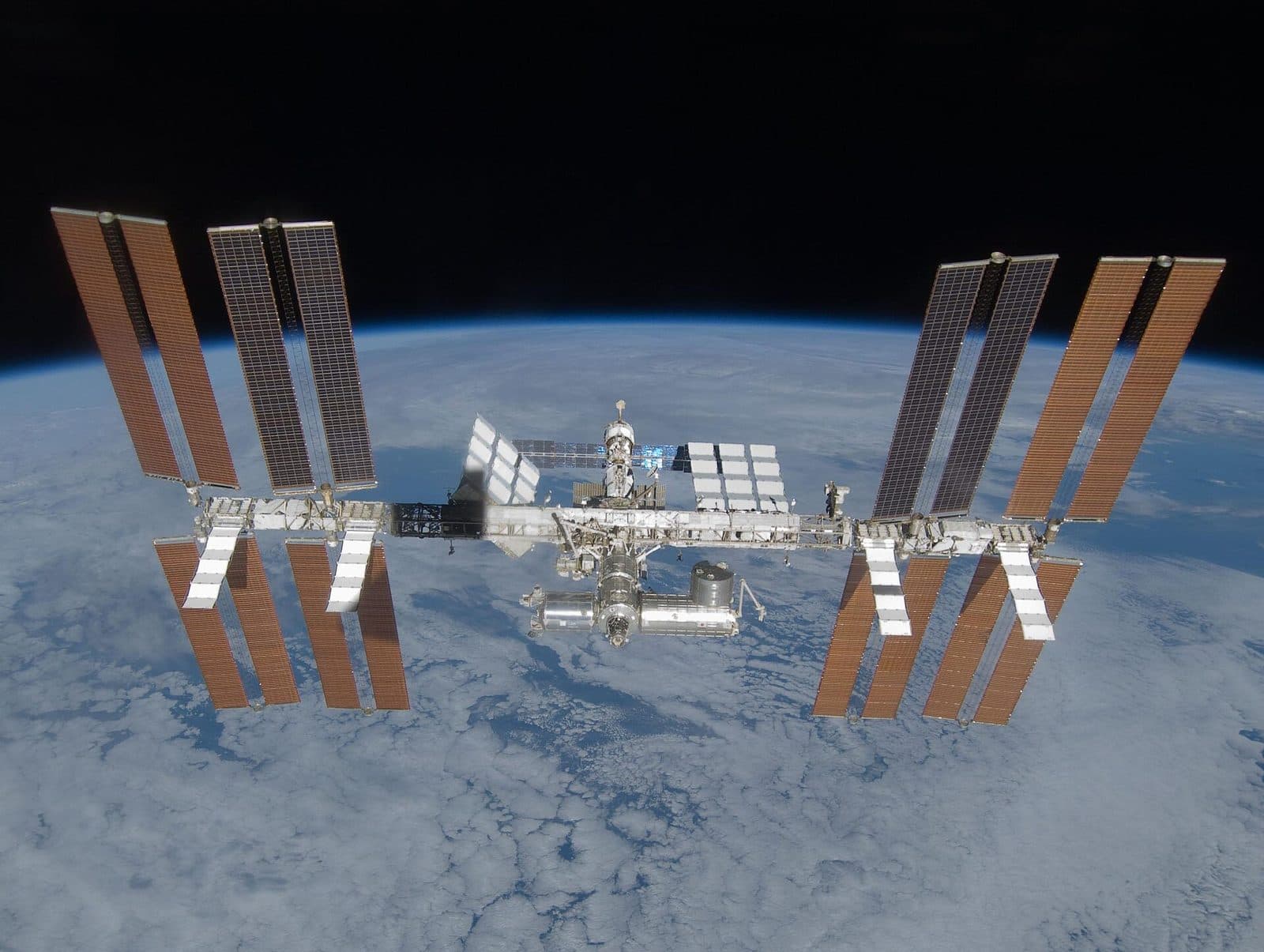
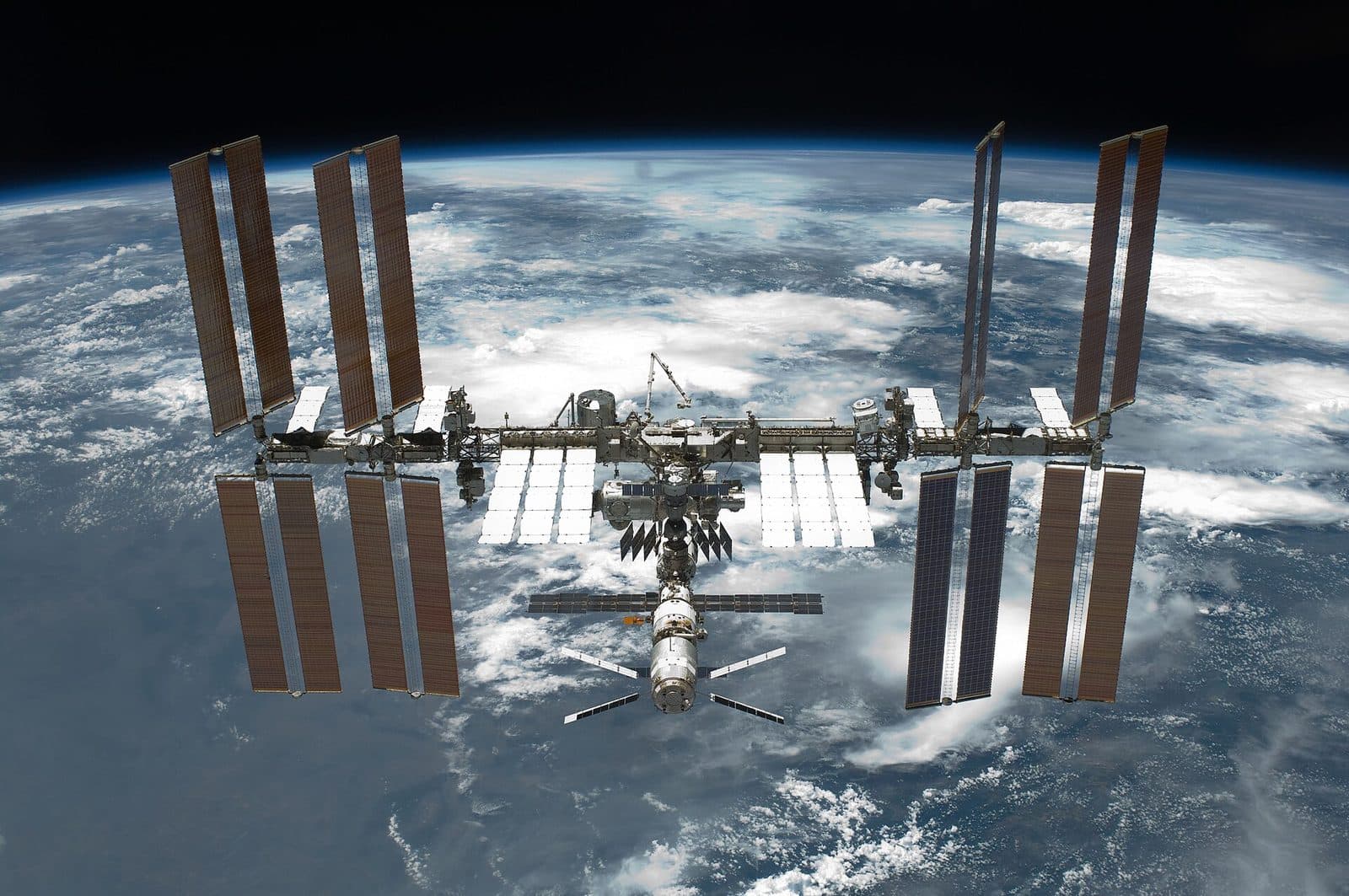
NASA's Neil Gehrels Swift Observatory has ended its mission with an uncontrolled fall into Earth's atmosphere, about 22 years after launch. According to satellite tracker Jonathan McDowell, citing US Space Force tracking data, Swift re-entered at 7:39 a.m. EST (1239 GMT) on 4 November off the coast of northern Sumatra, Indonesia.
The telescope weighed 3,200 pounds (1.5 metric tons). NASA officials expected most of it to burn up, with a small fraction of its most durable parts reaching the surface. They put the chance of falling debris harming anyone at about one in 2,100. NASA's projections covered a broad band of latitudes, including parts of South and Central America, Africa, Southeast Asia and Australia, though most of the likely path was over open ocean.
Swift made its final science observation on October 20. After that its orbit dropped to just below 275 kilometres (171 miles), making further operations impossible. Scientific American reported that solar activity had puffed up Earth's upper atmosphere over the past two years, hastening the descent. Swift had no onboard thrusters to counter atmospheric drag, Space.com reported.
In September 2025 NASA awarded Katalyst Space a $30 million contract to design, launch and operate a robotic spacecraft to raise Swift's orbit. Katalyst launched its LINK servicing spacecraft on 3 July, aiming to capture Swift in August. LINK suffered problems with its propulsion system and reaction wheels, which prevented the planned meeting. LINK itself fell back to Earth on 25 September.
Swift launched in November 2004 on a two-year mission to study gamma-ray bursts. It carried three instruments detecting gamma rays, x-rays, and ultraviolet and optical light. It could swiftly turn to point at distant bursts and alerted astronomers within seconds so other telescopes could follow up. Reports say it gathered data on roughly 2,000 or more gamma-ray bursts and about 1,400 supernovas, and also studied feeding black holes, asteroids and comets.
The observatory was renamed in 2018 after Neil Gehrels, its first principal investigator, who died in 2017. S. Bradley Cenko, Swift's principal investigator at NASA's Goddard Space Flight Center, said Swift needed to detect and locate gamma-ray bursts, pass their positions to other observatories, and then swing its telescopes around to image the burst locations before their afterglows faded.
Shawn Domagal-Goldman, director of NASA's Astrophysics Division, said: "Swift delivered an incredible, lasting return on investment for the nation, designed for a two-year primary mission but productive for more than 10 times as long." He also said: "From the beginning, this was a high-risk, high-reward mission."
Background
khabr.pk reported on 1 November that Swift was expected to fall back to Earth within days after a rescue mission failed to lift it to a higher orbit, and that the timing and place were unclear.
Why it matters for Pakistan
Readers in Pakistan who follow space news see the end of a long-running NASA observatory that supplied data on cosmic explosions to astronomers worldwide. The reports place the re-entry off Sumatra, and do not list Pakistan among the regions in NASA's projected debris path.