Multan most polluted city in Pakistan, air pollution up 41%
Multan averaged PM2.5 of 204.1 micrograms per cubic metre from 16 to 22 November, 41 percent higher than a year earlier. The Pakistan Air Quality Initiative said all four major cities it tracked stayed above safe limits.
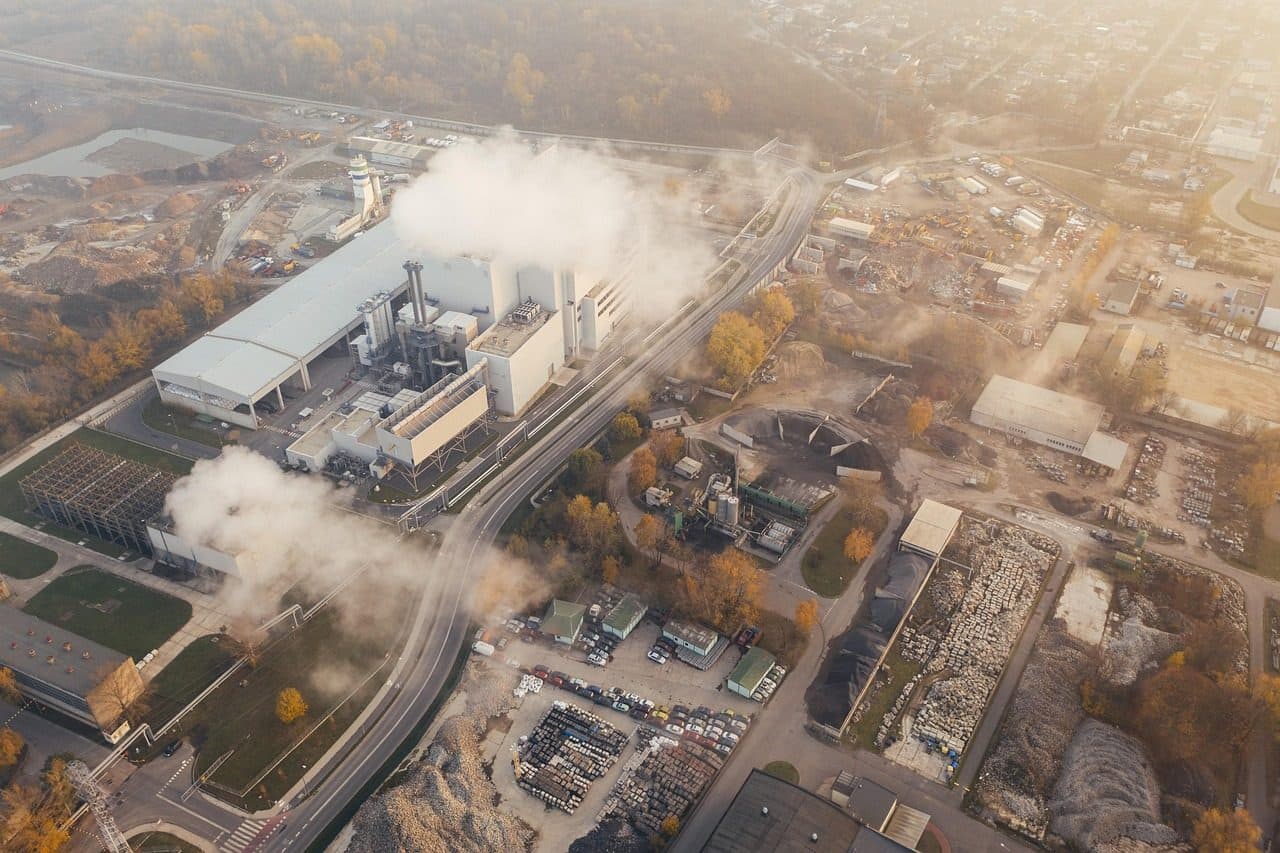
- Multan's weekly average AQI was 254, in the very unhealthy category
- Its pollution peaked on 20 November with AQI at 313
- Lahore was 17 percent lower than last year; Karachi 21 percent lower; Islamabad 42 percent lower
- All four cities exceeded WHO and Pakistan PM2.5 limits on all seven days
Multan was the most polluted city in Pakistan in the week of 16 to 22 November, according to the weekly report of the Pakistan Air Quality Initiative (PAQI). Its average PM2.5 was 204.1 micrograms per cubic metre, and its average AQI was 254, which falls in the very unhealthy category.
Pollution in Multan peaked on 20 November, when PM2.5 reached 263.3 micrograms and the AQI 313. The weekly average was 41 percent higher than in the same period last year.
Lahore's weekly average PM2.5 was 180 micrograms per cubic metre, with an average AQI of 230. Its peak came on 22 November, at 236.7 micrograms and an AQI of 286. Pollution there was 17 percent lower than a year earlier.
Karachi averaged 75 micrograms of PM2.5 and an AQI of 160. This was 96 percent higher than the previous week but 21 percent lower than the same period last year. Islamabad averaged 64.5 micrograms and an AQI of 155, 42 percent lower than last year.
The report says PM2.5 exceeded the WHO guideline of 15 micrograms and Pakistan's limit of 35 micrograms on all seven days in all four cities. In some places near Lahore, levels were higher than in the city itself: Kasur 240, Narowal 225, Kahna Nau 187 and Raiwind 186 micrograms per cubic metre.
On air movement, the report says air reaching Lahore spent an average of 7 percent of the time over Indian territory in the last two days, against 3 percent last year. On 21 November the air path passed over India 43 percent of the time. The report does not directly confirm a specific source of the pollution.
Ali Ejaz, Deputy Director at the Punjab Environmental Protection Department, said that because of measures against local pollution factors in Lahore, the AQI now rises for a few hours in the morning and evening and starts falling as temperatures rise. He added that district figures cannot be directly compared with Lahore, because monitors there were installed for the first time and are fewer in number.
The report advises Multan residents to limit outdoor activity and sensitive people to stay indoors. For Lahore, it advises residents to avoid outdoor activity and sensitive groups to take precautions.
Why it matters for Pakistan
Residents of Multan face the highest pollution of the four cities in the report, with an average AQI in the very unhealthy range. The report advises them to limit outdoor activity, and sensitive people to stay indoors. In Lahore, it advises residents to avoid outdoor activity and sensitive groups to take precautions. Levels in Kasur, Narowal, Kahna Nau and Raiwind were in some cases higher than Lahore's, although the Punjab environment department says the district monitors are new and fewer in number.
Get khabr.pk news on Facebook and YouTube
Short news videos every day, and the day’s top stories in your feed.