Lahore AQI now falls within hours, Punjab anti-smog drive shows
Lahore is recording shorter spells of high air pollution, with AQI levels now dropping within hours, Daily Times reported. Morning and evening spikes remain a concern.
- Daily Times reports Lahore's AQI now declines within hours instead of days or weeks
- Punjab has 80 air-quality monitoring stations, with 100 planned by December 2026
- More than 1.2 million vehicles reportedly inspected for emissions
Punjab's anti-smog strategy is producing encouraging results, with Lahore recording shorter periods of elevated air pollution, Daily Times reported on 23 November. In earlier years, dense haze often lingered for days or weeks, but AQI levels now decline within hours, the report said.
According to the report, government monitoring, field enforcement and rapid-response operations are supporting the effort. Morning and evening pollution spikes remain a concern. When pollution rises, authorities deploy anti-smog guns, conduct inspections and carry out targeted operations. The guns spray a fine water mist to suppress airborne dust and particulate matter.
Punjab currently operates 80 air-quality monitoring stations and plans to raise the number to 100 by December 2026. The province's multi-sectoral plan targets pollution from transport, industry, agriculture and brick kilns.
On transport, enforcement teams have reportedly inspected more than 1.2 million vehicles for excessive emissions. In industry, more than 95% of emission-control systems have reportedly been installed.
More than 14,000 brick kilns have been brought under the zigzag technology programme, and QR-coded monitoring systems are helping authorities strengthen oversight of the kilns, according to the report.
In farming areas, dedicated Quick Response Units monitor fields and respond to reported stubble-burning incidents. Officials say the units can reach affected locations within about 10 to 15 minutes. They extinguish fires and encourage farmers to use super seeders.
Punjab also has a 10-year Smog Mitigation Plan focused on sustained enforcement and cleaner technologies. Authorities say several indicators have shown encouraging downward trends, though weather and regional pollution still influence daily AQI readings.
Background
khabr.pk reported on 10 November that Lahore's average AQI was 489 at 9 am on 9 November and 232 by 3 pm, according to the Punjab Environment Protection Department. On 12 November Lahore was the world's most polluted city, with several Punjab cities at an AQI of 500 or more. On 11 November we reported that the Environment Protection Department had shut more than 30 factories for burning tyres.
Why it matters for Pakistan
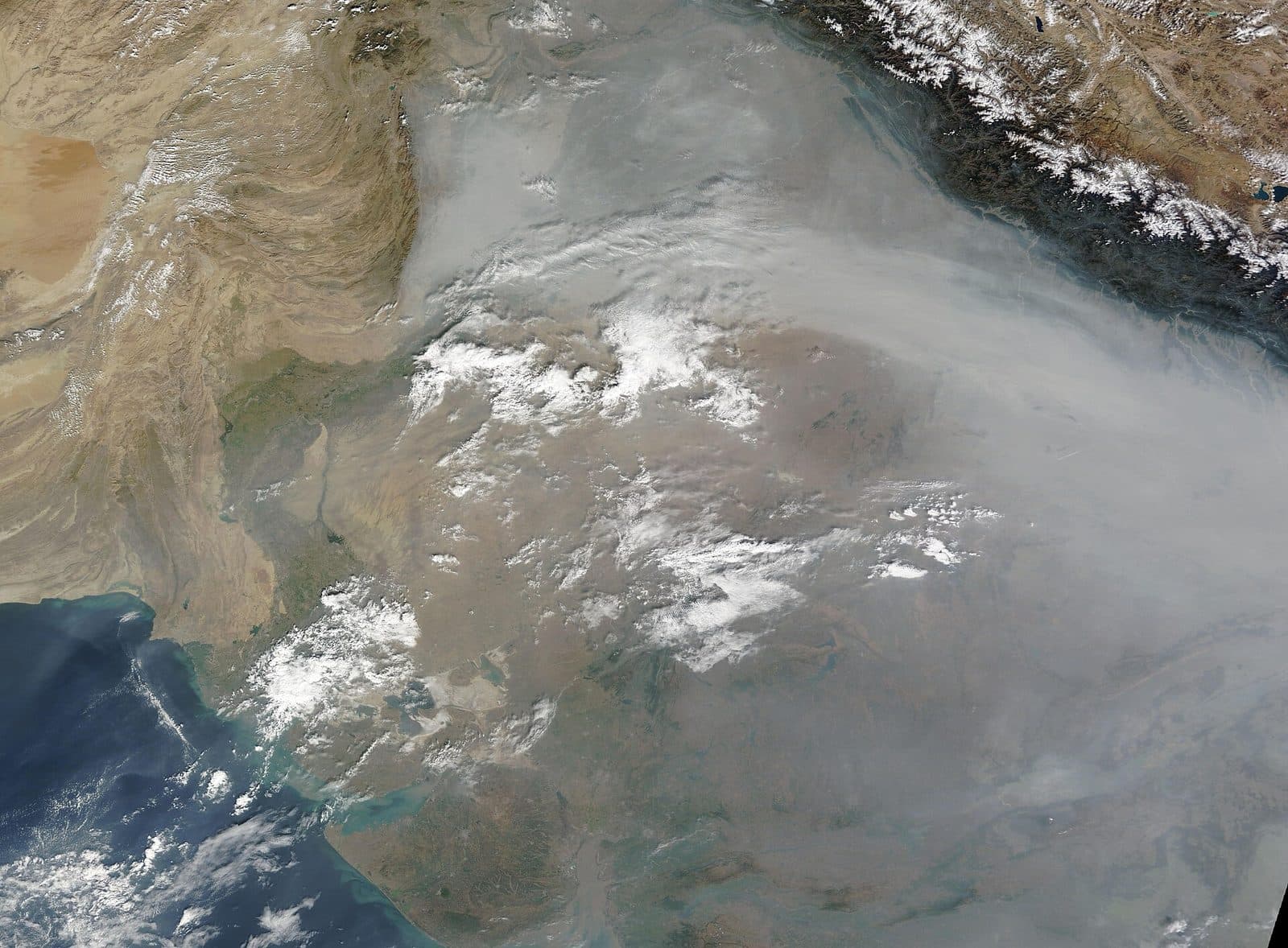
Smog affects health and daily life across Punjab, and residents of Lahore have lived through days of hazardous air this month. Shorter spells of high pollution would matter most to people who commute or work outdoors in the morning and evening, when spikes continue. Factory owners, brick kiln operators and farmers face the inspections and monitoring described in the plan. The figures come from officials as reported by Daily Times, and weather and regional pollution still affect daily readings.
Get khabr.pk news on Facebook and YouTube
Short news videos every day, and the day’s top stories in your feed.