Iran vows to use all means against US naval blockade
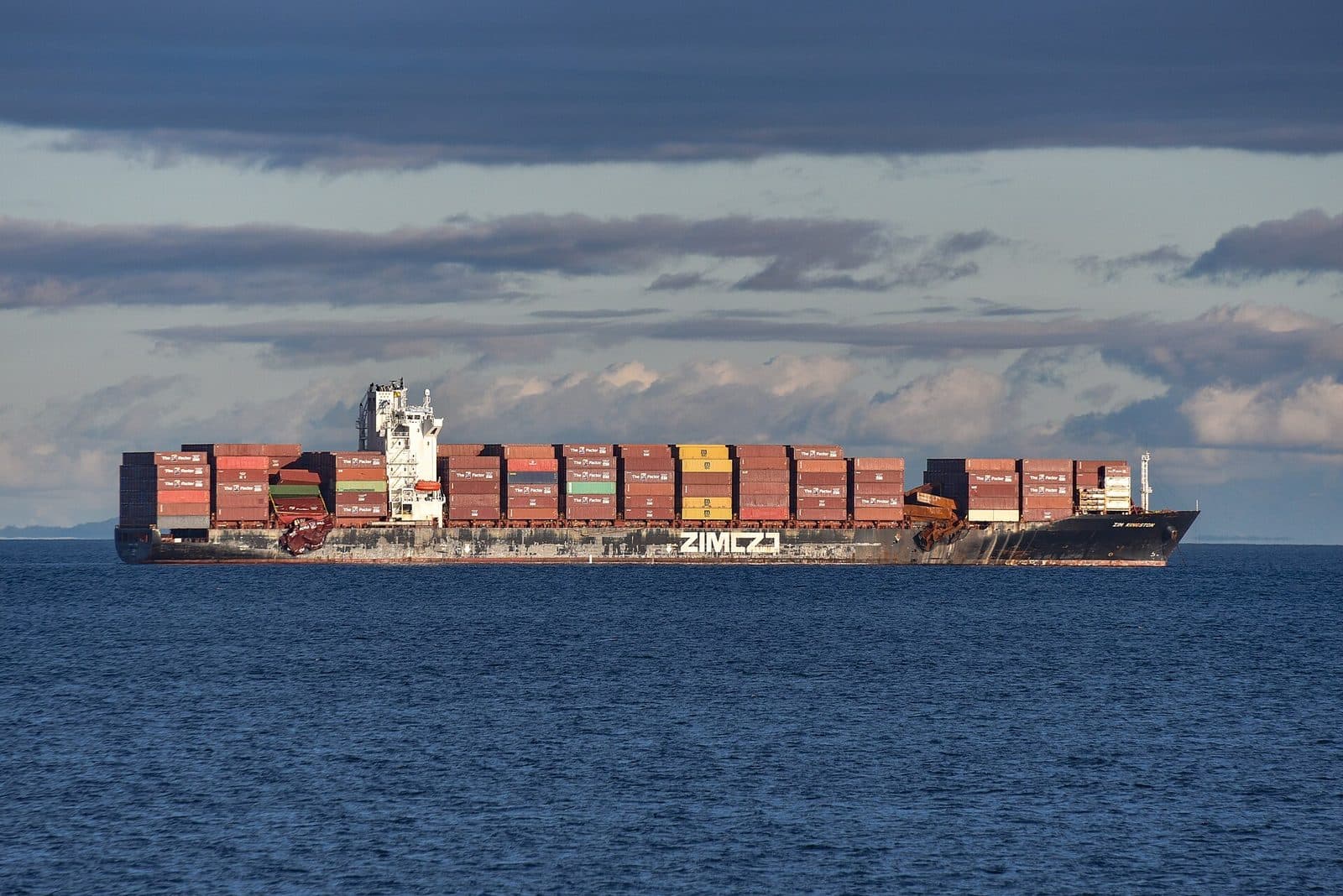
Iran's foreign ministry said on Monday it would use every available means to counter the US naval blockade of its ports, calling it military aggression. President Donald Trump had earlier threatened to sink Iranian tankers that try to break it.
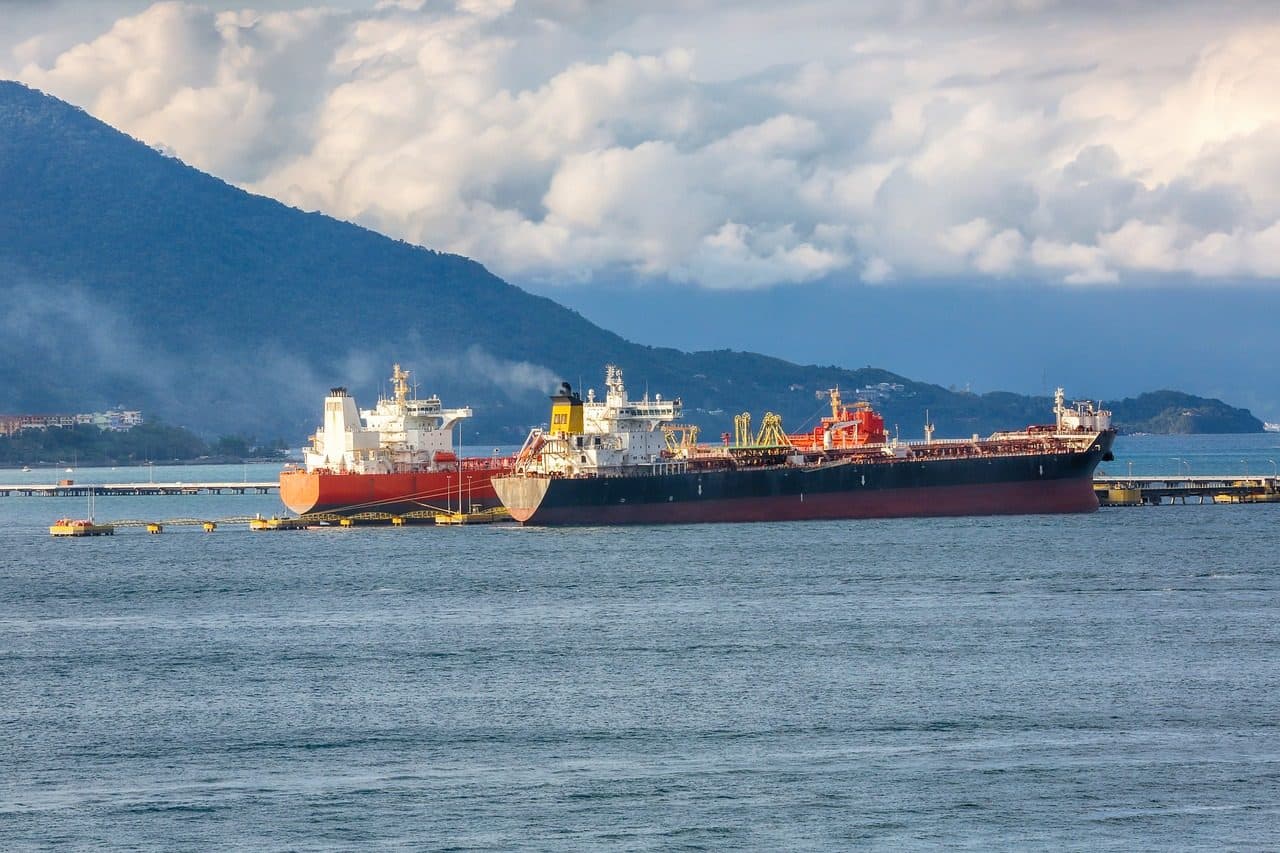
- Iran called the US blockade military aggression and said it would use all available means against it.
- Trump said Iranian ships trying to break the blockade would go down, and that Iran's recent drones and missiles caused no damage.
- Iran links reopening Hormuz to lifting sanctions and the blockade.
Iran said on Monday that it would use all available means to counter the US naval blockade of its ports, CBS News and Euronews reported. The foreign ministry described the blockade as an act of military aggression.
Foreign ministry spokesman Esmaeil Baghaei said: "We will certainly not tolerate this situation and will use every means to counter US aggression." He also called the blockade a violation of the UN Charter and an act of crime, and said Iran was entitled under Article 51 of the Charter to use any means at its disposal to defend itself.
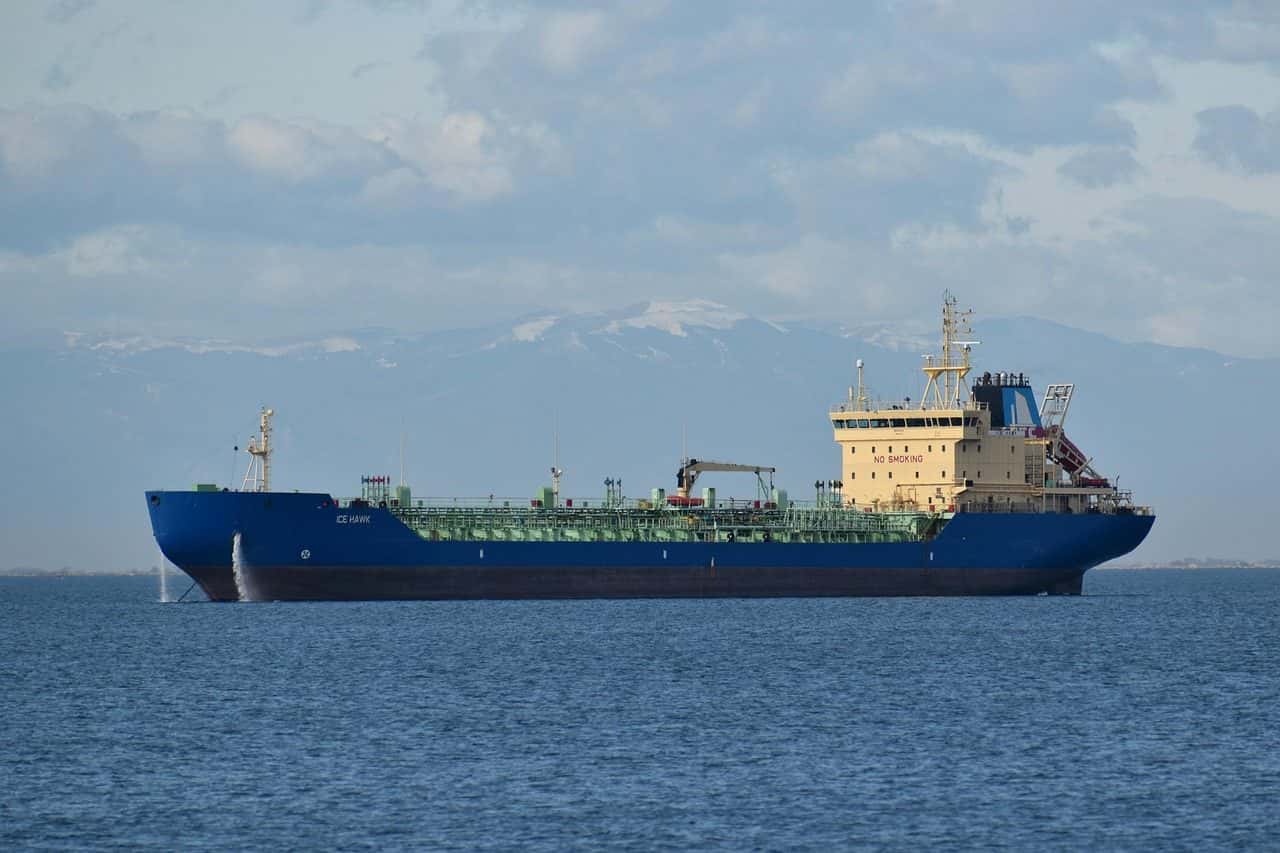
CBS News reported that the blockade was imposed in retaliation for Iran's push to block the Strait of Hormuz. Euronews said Trump had threatened a day earlier to sink Iranian tankers attempting to break it. Trump said: "I hope they do it; they'll all go down to the bottom of the sea, just like the rest of their navy."
Trump also said on Sunday that Iran had launched more drones and missiles in the past week than at any time before, but that they caused no damage. "Don't worry, they've all been knocked down, and done no damage," he said.
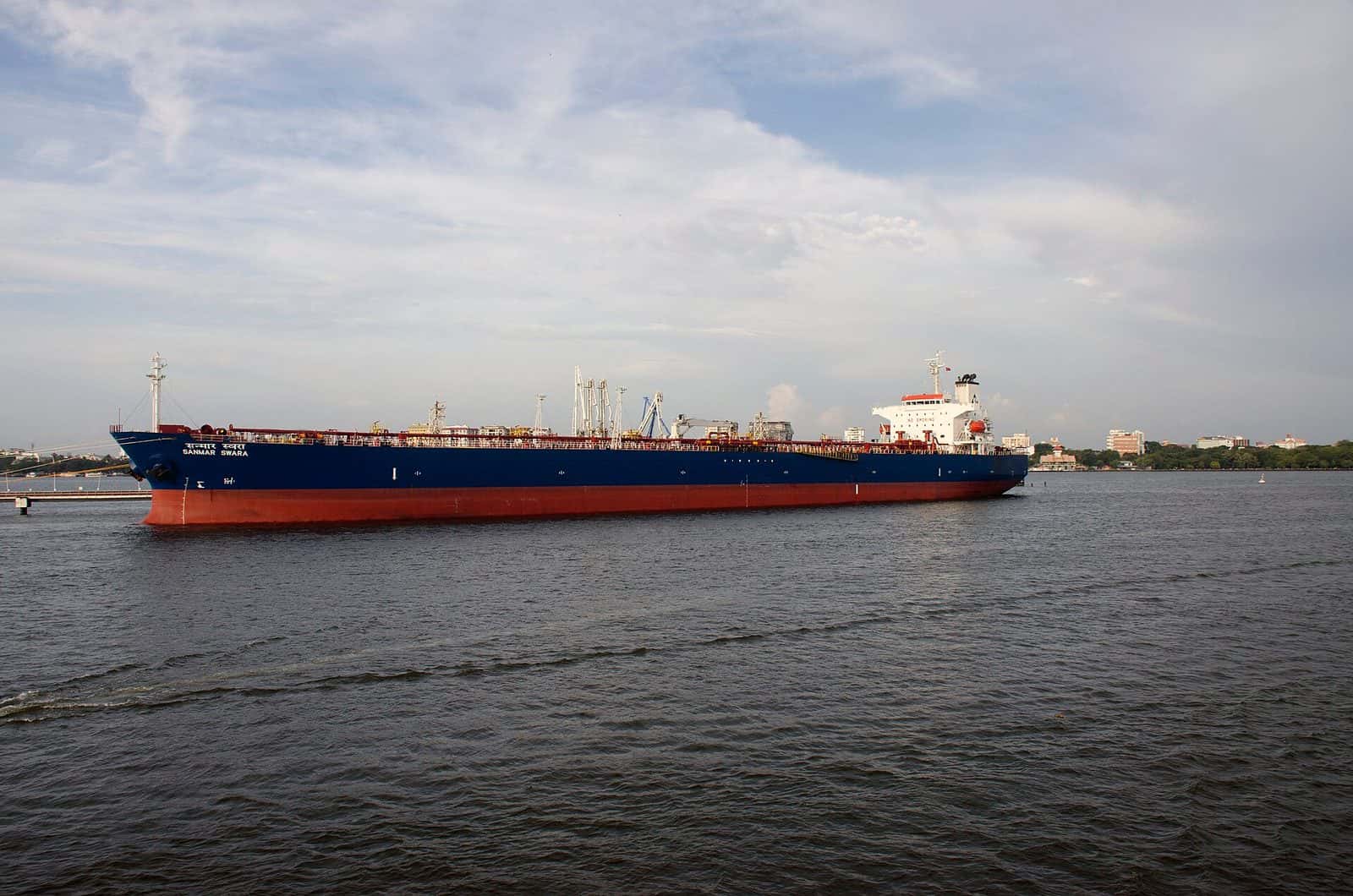
Euronews reported that media outlets and figures close to the Revolutionary Guards (IRGC) called for a convoy of Iranian oil tankers to break the blockade, and some threatened Gulf oil facilities. Iranian officials said they have no concrete plan to do so, and Tasnim said no official authority had announced one. The UKMTO confirmed at least one incident involving an oil tanker in the Gulf of Oman on Sunday, in which military forces were involved. US Central Command had not commented as of Monday.
Iran has set conditions for reopening Hormuz. Foreign Minister Abbas Araghchi said it could reopen within two hours of the other side meeting its commitments, according to Euronews, while CBS News reported Iran saying it could be open within two days only if Washington agreed to its demands. These include lifting US sanctions, ending the blockade and implementing commitments under the Islamabad memorandum of understanding, which Trump has declared null and void.
Qatar's prime minister was expected to meet US Secretary of State Marco Rubio on Monday. Doha is serving as a key mediator between Tehran and Washington, Euronews reported.
Background
khabr.pk reported on 16 November that the USS Theodore Roosevelt had entered the US Central Command area as the blockade of Iranian ports continued. On 19 November it reported US Central Command's warning over ship-to-ship oil transfers, and on 22 November that Iran said it fired drones and missiles at US bases in Bahrain while tankers were reported ready to try to break the blockade.
Why it matters for Pakistan
The standoff in the Gulf bears on the oil Pakistan imports and on shipping costs. khabr.pk recorded petrol at Rs322 per litre and high-speed diesel at Rs357 per litre on 20 November. Many Pakistani workers also hold jobs in Gulf countries, which lie close to the area of tension.
Get khabr.pk news on Facebook and YouTube
Short news videos every day, and the day’s top stories in your feed.