Iran, US and Bahrain: what the Hormuz blockade standoff means
Iran says it fired drones and missiles at US bases in Bahrain, while tankers are reported ready to try to break a US naval blockade. The material does not say how this affects Pakistan directly.
- Iran launched two waves of drone and ballistic missile attacks on four US bases in Bahrain on Saturday night, Euronews reported.
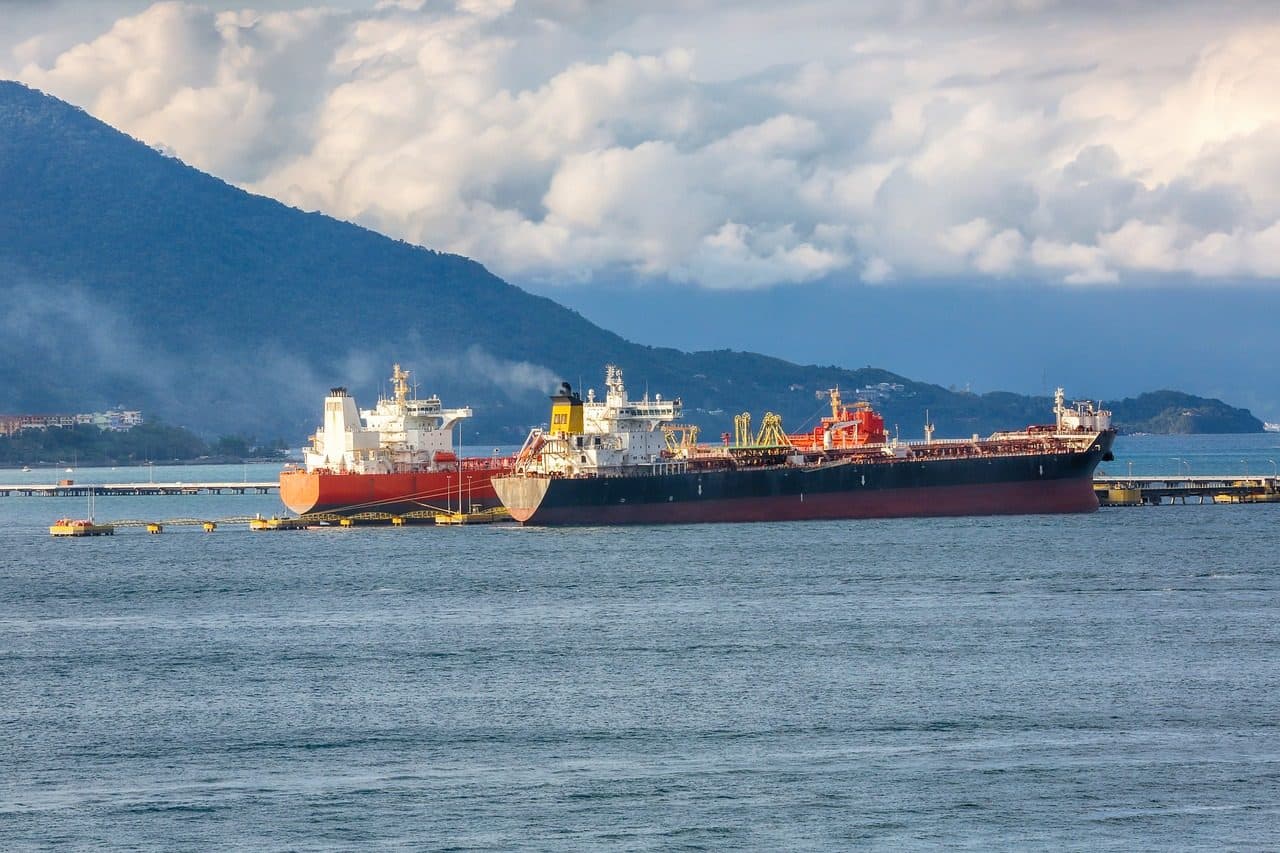
- More than 14 Iranian tankers are reportedly off Kharg Island, ready to try to break the US blockade.
- Shipping through Hormuz is 65 per cent below pre-war levels, according to Gulf News.
On Saturday night Iran launched two waves of drone and ballistic missile attacks on four US bases in Bahrain, Euronews reported. Bahrain announced the attacks and told residents to shelter. Its statement called them "heinous Iranian aggression". khabr.pk reported on 22 November that Iran's Revolutionary Guards said they had hit US positions at the Al-Riffa and Awali bases.
Bahrain said its air defences intercepted several attacks. Its Interior Ministry said a fire broke out at a civilian industrial compound, with material damage but no injuries. The Revolutionary Guards also claimed to have hit two Patriot defence batteries and a radar system. Neither Bahrain nor the US military confirmed that claim.
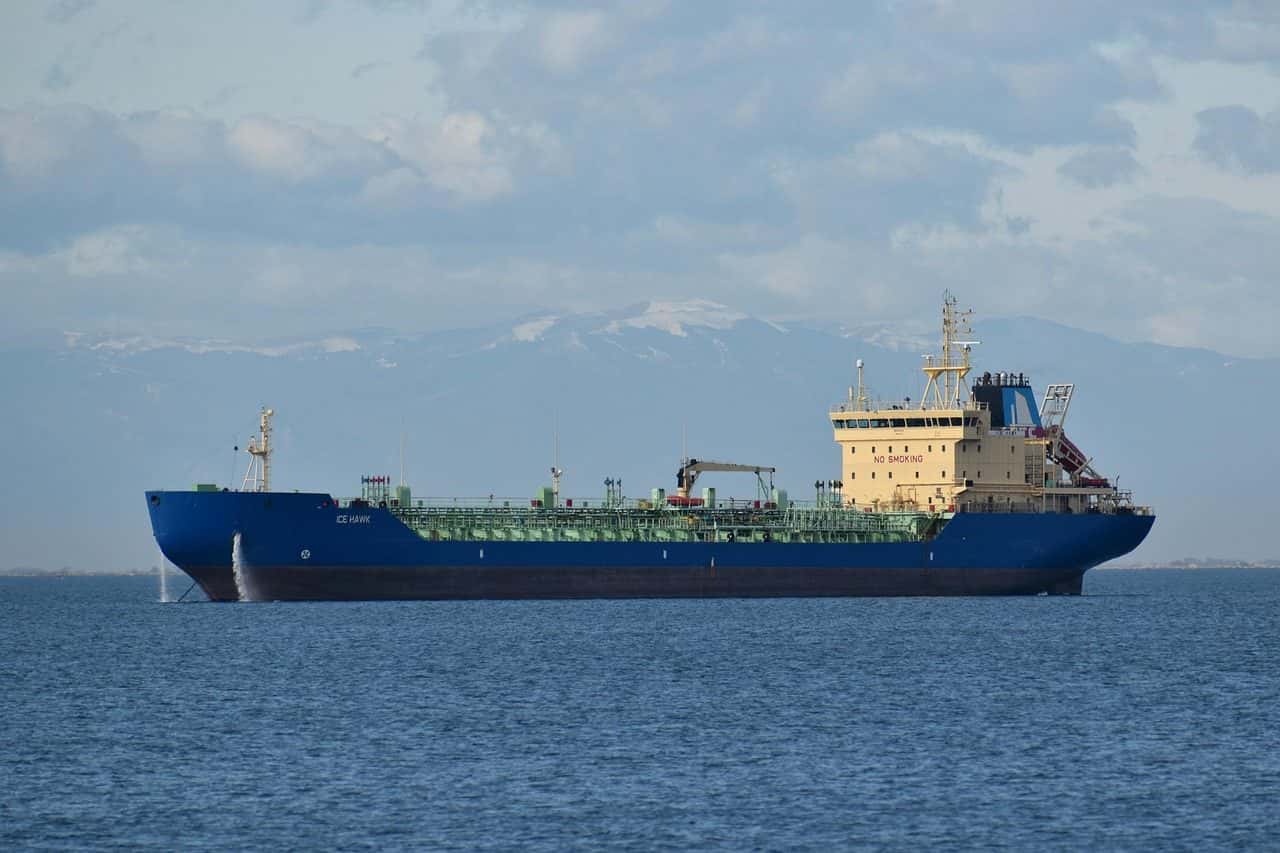
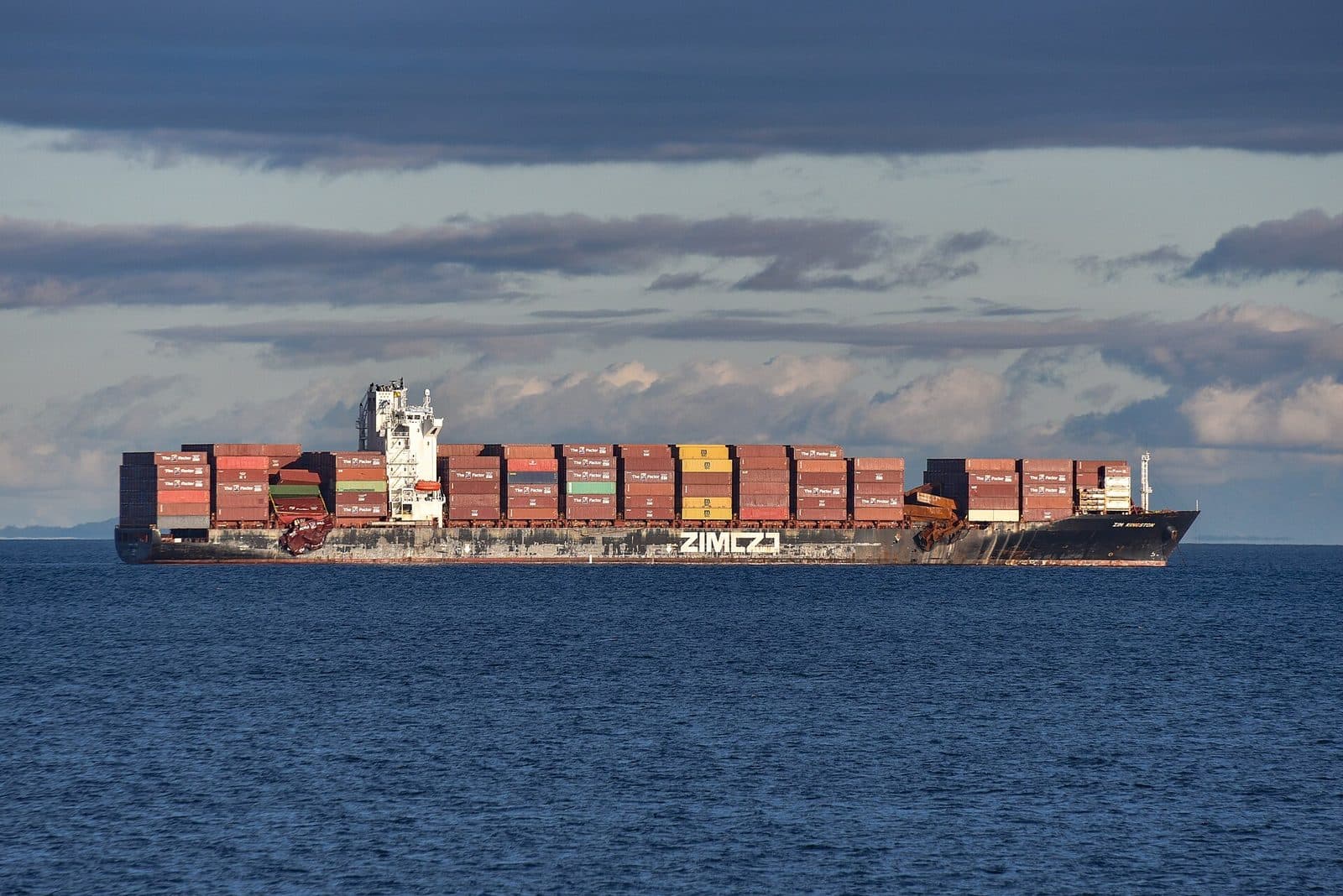
The fighting is also at sea. khabr.pk reported on 21 November that the maritime agency UKMTO said two tankers were struck by unidentified projectiles near Khasab, Oman, with no casualties. Iran's navy said a separate tanker caught fire after hitting a mine. Shipping through the Strait of Hormuz is 65 per cent below pre-war levels, according to Gulf News.
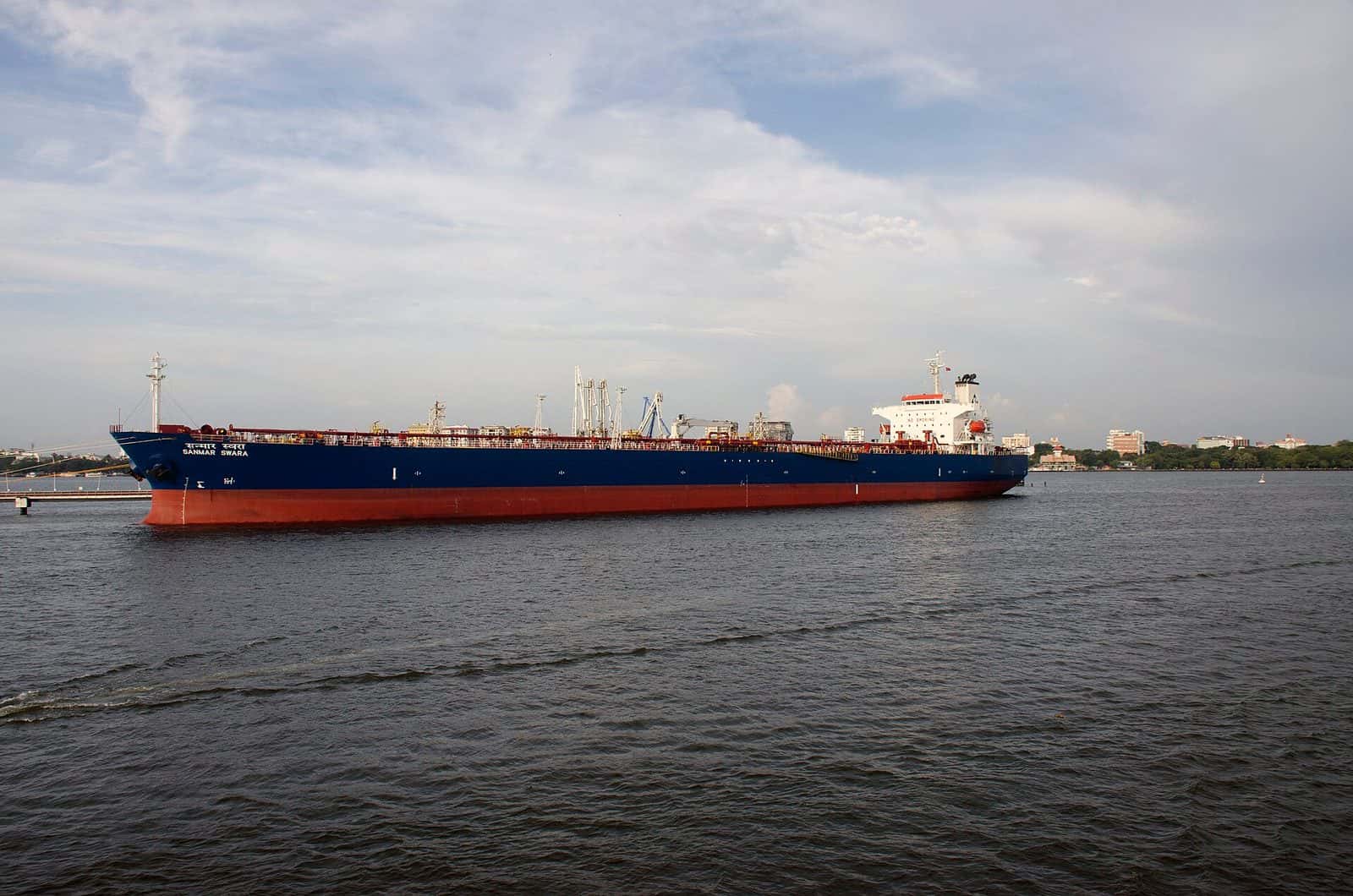
The blockade is at the centre of the standoff. Euronews and Gulf News reported that more than 14 Iranian tankers are positioned off Kharg Island to break out of the US naval blockade in the coming days. Deputy Foreign Minister Kazem Gharibabadi said the convoy would sail soon to China and called the blockade "an act of war". Iran warned of a fierce response if the US military engages the convoy. There is no independent confirmation that the operation has begun.
The blockade is already costing Iran, according to Gulf News, which cited Kpler. About 43 million barrels of Iranian oil are stranded inside the blockade zone. Payments from remaining shipments could dry up by mid-December, potentially costing Tehran $3 billion to $6 billion a month. Iran has announced rolling power cuts of up to two hours a day in some areas from Sunday.
On diplomacy, Gharibabadi said a Qatari delegation held about two hours of talks with Iranian officials on Friday evening. Foreign Minister Abbas Araghchi said reopening Hormuz would not be difficult if the US accepted Iran's conditions, including ending the blockade and lifting sanctions. US President Donald Trump told Fox News he planned to make a permanent deal to stop Iran acquiring nuclear weapons.
Several questions remain open: whether the tanker convoy sails, whether the US military engages it, and whether the Qatari-mediated contacts lead anywhere. The material available to khabr.pk does not say how any of this affects Pakistan directly.
Why it matters for Pakistan
The Strait of Hormuz is a key shipping route, and shipping through it is 65 per cent below pre-war levels. The material available to khabr.pk does not say how the standoff affects Pakistan directly. It shows that tankers are being hit, that Iran is facing a squeeze on oil income and has announced power cuts, and that talks have not ended the dispute. Readers in Pakistan may want to follow whether the convoy sails and whether the talks produce a deal.
Get khabr.pk news on Facebook and YouTube
Short news videos every day, and the day’s top stories in your feed.