Leaders gather at COP31 in Turkey as Guterres urges end to fossil fuels
World leaders began arriving on Wednesday for formal talks at the UN climate conference in Antalya, Türkiye. UN chief António Guterres told them the climate crisis is outrunning efforts to contain it.
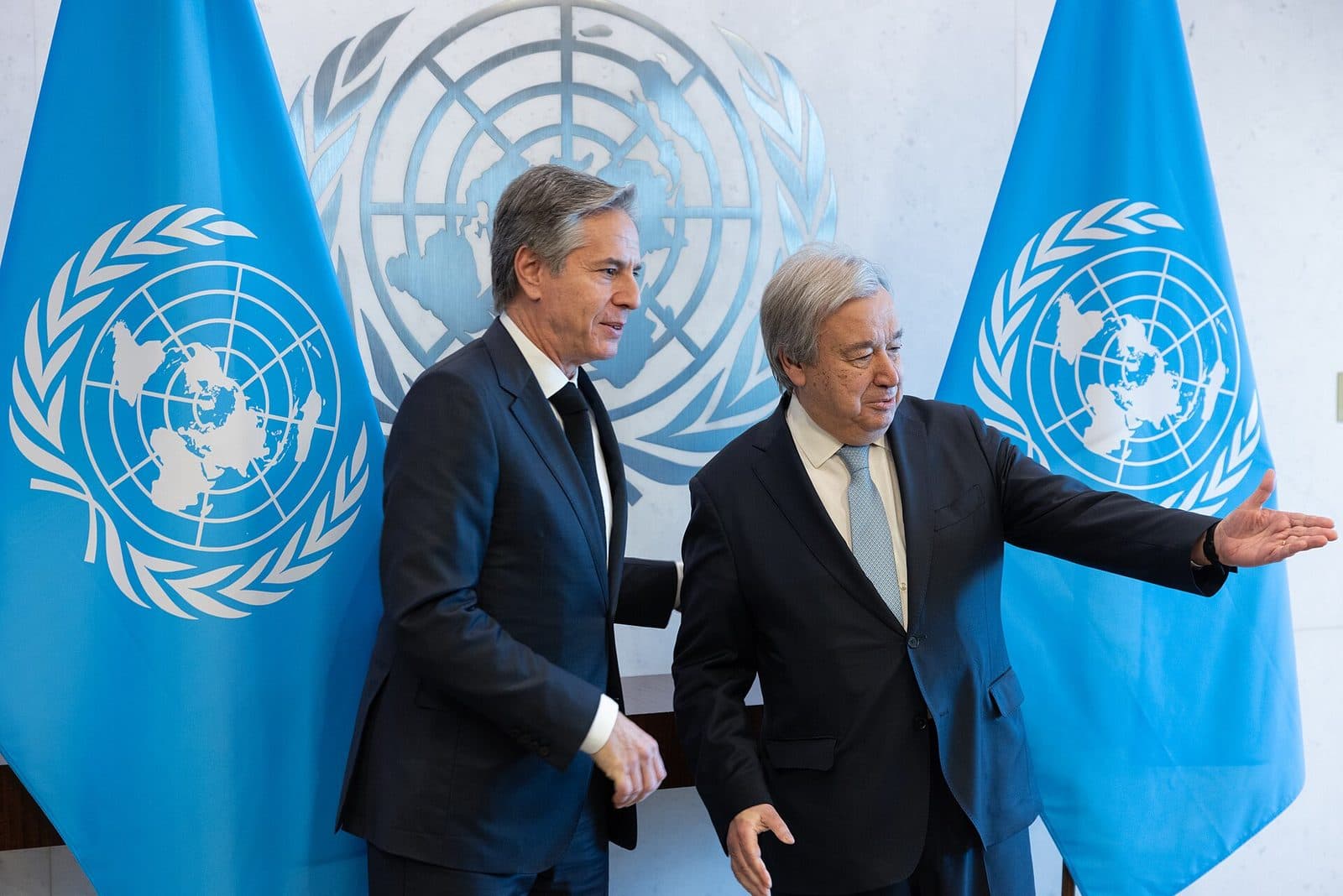
- Formal COP31 talks opened in Antalya with leaders including Pakistan's Prime Minister Shehbaz Sharif.
- Guterres accused the fossil fuel lobby of delaying climate action.
- The United States is skipping the talks for a second year in a row.
- Türkiye is promoting a voluntary target of 35 percent electricity share in global energy use by 2035.
World leaders began arriving on Wednesday for the formal part of the 31st UN climate change conference, COP31, in Antalya, Türkiye. They hope to agree on concrete steps to curb global warming after a year of deadly floods, heatwaves and other climate-related disasters, according to the South China Morning Post. The outlet noted that past talks have been criticised for promises that later fell flat.
UN Secretary-General António Guterres urged leaders to respond immediately and to work toward ending coal, gas and oil as energy sources, Al Jazeera reported. He accused the fossil fuel lobby of delaying climate action and said dependence on fossil fuels is damaging economies as well as the climate.
"Fossil fuels must go the way of the dinosaurs, but that won’t happen on its own. The dinosaurs did not have a lobby, but fossil fuels do," Guterres said. He also said: "The brutal truth is that the climate crisis is outrunning us. Emissions in 2025 reached all-time highs. Heat records keep shattering."
Among the leaders attending are Türkiye's President Recep Tayyip Erdogan, Brazil's President Luiz Inacio Lula da Silva, Qatar's Emir Sheikh Tamim bin Hamad Al Thani, Iranian President Masoud Pezeshkian and Pakistan's Prime Minister Shehbaz Sharif. European Union chief Ursula von der Leyen is also taking part.
Attendance from major economies is uneven. British Prime Minister Andy Burnham is the only G7 leader at the summit and is due to speak on Thursday. French President Emmanuel Macron, German Chancellor Friedrich Merz, Italian Prime Minister Giorgia Meloni, Canadian Prime Minister Mark Carney and Japanese Prime Minister Sanae Takaichi are skipping it. The United States has skipped the talks for the second year running.
Türkiye, as host, is championing a voluntary initiative to speed up electrification of transport, buildings and industry. It aims to raise electricity's share of global energy consumption to 35 percent by 2035. The EU has stressed that electrification must be clean, which could prompt debate over the role of oil, gas and coal in the Turkish proposal.
Iran's Pezeshkian said he would use the summit to set out Tehran's position on environmental destruction in war. "At this conference, we will speak about the actions of the United States and Israel in destroying the environment," he said.
Al Jazeera noted that a UN report last month found the world on course to break through the 1.5 degrees Celsius warming limit agreed under the Paris Agreement. It also cited a glacier collapse in Nepal in 2026 that triggered a flash flood killing more than 1,500 people, with thousands still missing, and a series of extreme heatwaves in Western Europe.
Background
khabr.pk reported on 8 November that Guterres had called the moment critical for action on global warming, and on 9 November that the summit opened in Antalya and runs to 20 November, with negotiators divided over finance for developing countries and the move away from fossil fuels. On 10 November khabr.pk reported that nearly 200 countries were taking part and that the United States would not send a formal delegation.
Why it matters for Pakistan
Pakistan's Prime Minister Shehbaz Sharif is among the leaders at the summit, so the country is directly represented in the talks. Pakistan is among the countries most exposed to climate disasters, which is why the outcome matters here. Finance for developing countries and the pace of the move away from fossil fuels, both points of division among negotiators, bear on how such countries cope with floods and heatwaves.
Get khabr.pk news on Facebook and YouTube
Short news videos every day, and the day’s top stories in your feed.