Xi stresses party discipline as China reports record purges
China's Communist Party leadership held a four-day closed-door session in Beijing focused on strict discipline. BBC News reported a record number of purges, while the question of Xi Jinping's successor stayed unanswered, according to DW.
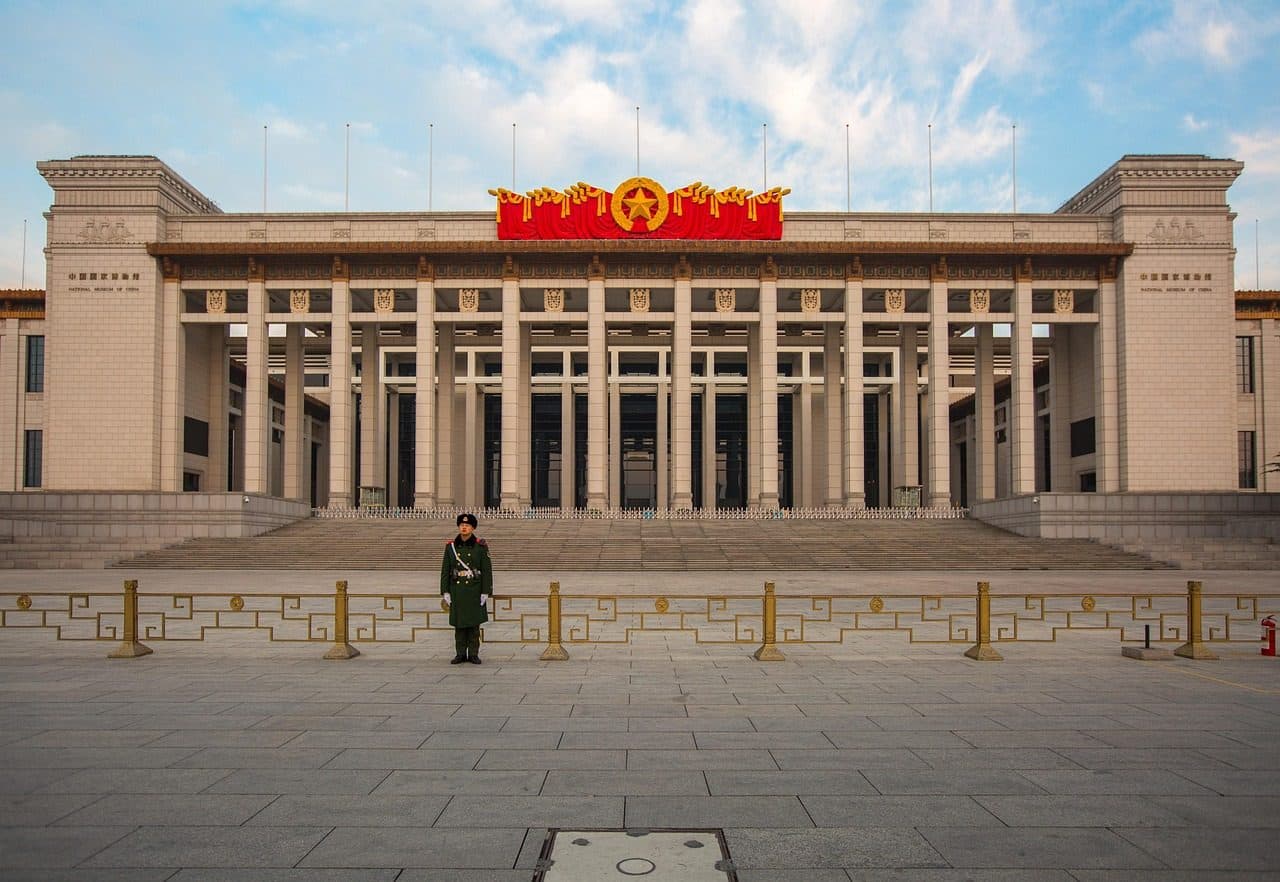
- The party's top leaders met for four days behind closed doors in Beijing this week.
- Xi Jinping signalled a deeper anti-corruption drive and more loyalty and initiative from officials.
- BBC News reported a record number of purges.
- Xi is 73 and is highly likely to be confirmed as general secretary next fall, per DW.
The top leadership of the Chinese Communist Party held a four-day session behind closed doors in Beijing this week, with the focus on strict leadership and discipline inside the party. BBC News headlined its report on the gathering as showing a record number of purges, with Xi Jinping emphasising party discipline.
According to DW, Xi signalled he would deepen the existing anti-corruption effort and ensure that officials at all levels show more loyalty and more initiative. A press release published on Thursday said the committee adopted a resolution praising Xi and the leadership for tackling corruption and the weakening of the party's governance. The statement called for consistently advancing comprehensive and strict Party leadership.
In mid-October, Xi spoke in a speech published by the party's Qiushi Magazine about identifying and removing 'two-faced functionaries' from the political system. DW reported that he described people who profess loyalty while working against instructions as political opportunists, and criticised officials who use harmony as an excuse to avoid problems.
Kerry Brown, head of the Lau China Institute at King's College London, said Xi wants to minimise potential sources of instability. Brown said: "This is just going to intensify because if [the CCP] isn't disciplined and united, the party believes that it will go the same way as everywhere else in the world at the moment and become disunited and unstable". He also said: "As long as you have unity, you live for another day, right? But if you have disunity, you probably die the same day".
Brown said the political system faces a dilemma: encouraging initiative could weaken party control and boost corruption, while stressing strict leadership could suppress initiative. He said Xi seems ready to sacrifice some operational flexibility for more control and stability, and that the approach 'kind of works' at least for now, with an economy that is not disastrous though not great.
Chong Ja Ian, a political scientist at the National University of Singapore, said officials under Xi have limited space to make their own decisions. He said: "The 'proactivity' demanded by Xi is limited to the implementation, not decision-making".
DW said the session left the question of a successor unanswered. Xi is 73 and is highly likely to be confirmed as party general secretary next fall, and could stay until 2032. Changes pushed by Xi in 2018 removed term limits for state and party leaders. Both analysts said succession plays a major role in the push for internal stability, and Chong said Xi may fear his authority being undermined if he names a successor early.
Why it matters
China is Pakistan's closest partner, so leadership and discipline changes in Beijing matter to Islamabad.