Spain probes train collision near Urda that killed at least 69
At least 69 people died when two trains collided near Urda in central Spain on Wednesday. A judge and a special government commission are investigating.
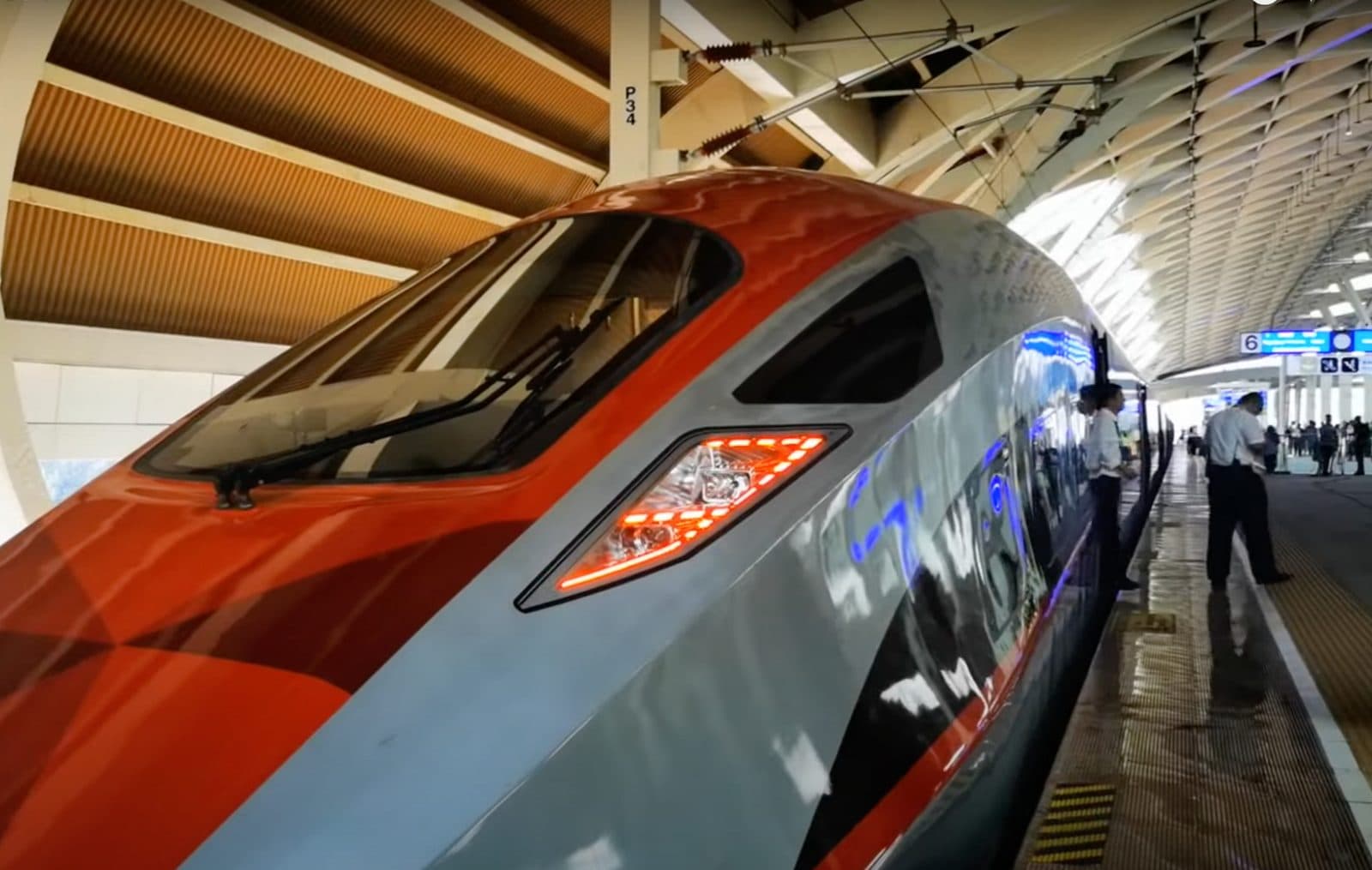
- At least 69 people died and 50 remained in hospital on Thursday, according to regional authorities.
- Transport Minister Óscar Puente blamed an erroneous instruction from a railway controller.
- Railway unions point to ageing safety equipment and understaffing.
- A judge and a government commission are investigating.
A train collision near the village of Urda in central Spain on Wednesday killed at least 69 people, according to regional authorities. They said 50 people remained in hospital on Thursday. It is Spain's second major rail disaster this year.
A judge and a special government commission are investigating. Transport Minister Óscar Puente blamed an erroneous instruction from a railway controller for the collision.
According to a government timeline, a computer malfunction disrupted the LZB safety system at 8.30am on Wednesday. Trains on a 63km section of the Madrid-Seville line came to a halt. Authorities believe six trains were on that section at the time.
At 8.36am a controller told a train operated by RENFE to resume travelling at normal speed. About 25km further down the line, a train run by IRYO was stationary. Its driver had told the controller that he could not override the automatic stop.
At 8.53am the RENFE train hit the stationary IRYO train from behind. The impact derailed carriages and scattered wreckage down a gravel slope near Urda.
Puente said the RENFE train should not have been allowed to resume normal operation because a stop signal remained active. He said it should either have stayed stationary or been told to proceed at reduced speed. He described the order as "an erroneous decision".
Railway unions say ageing safety equipment, understaffing and heavier workloads contributed. The LZB system has been in use for around three decades and is being phased out. Diego Martín, a spokesperson for SEMAF, said: "The LZB system should have been replaced some time ago".
Raquel Ayllón, spokesperson for the SCF railway traffic controllers' union, said: "Human error isn't incomprehensible. What is incomprehensible is that the safety system is regularly failing." Railway workers held a previously planned strike on Thursday to demand safety improvements promised after a deadly collision in January.
Spain opened its high-speed network to private competition in 2021. According to the SCF union, average daily train journeys between Madrid and Barcelona rose from 56 in 2019 to 89 in 2024.
Why it matters
It is a major international rail disaster with a high death toll, the kind of event Pakistani readers follow closely.