Senate unanimously adopts resolution on rapid population growth
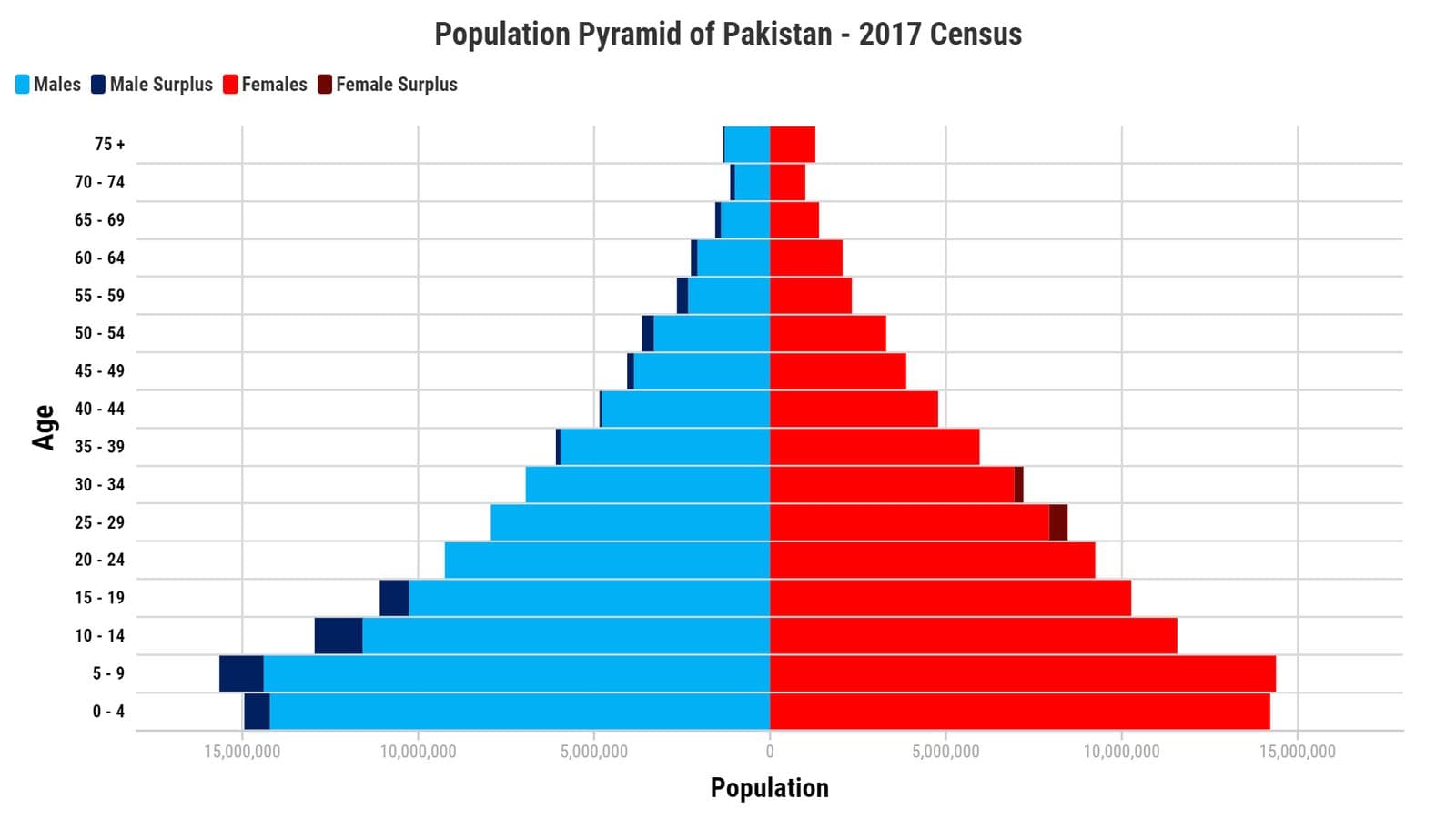
The Senate on Thursday unanimously adopted a resolution calling for a coordinated national effort to curb Pakistan's population growth. PPP Senator Sherry Rehman moved it and warned the population could reach 390 million by 2050.
- Senate adopted the population resolution unanimously on Thursday
- Sherry Rehman warned of 390 million people by 2050
- She called for a joint national strategy involving governments, parliament, media and community leaders
The Senate on Thursday unanimously adopted a resolution calling for a coordinated national effort to curb Pakistan's rapid population growth. According to Associated Press of Pakistan, the resolution aims to stop the country's demographic dividend from turning into a "demographic time bomb".
The resolution was moved by Pakistan Peoples Party Vice-President Senator Sherry Rehman during a session chaired by presiding officer Shahadat Awan, the Express Tribune reported.
Rehman warned that Pakistan's population could reach 390 million by 2050, according to both Daily Jang and the Express Tribune. She said the country's population growth rate is the highest in South Asia.
She said rapid growth is putting heavy pressure on food, water, education and health facilities. Daily Jang reported her saying that 40 percent of children under five in Pakistan are stunted because of malnutrition, and that insufficient spacing between births endangers the health and lives of mothers. Rehman said urgent steps were unavoidable, in words reported by Daily Jang as "فوری اقدامات ناگزیر ہیں".
The Express Tribune said Rehman called for a coordinated national strategy to slow population growth, including better family planning, women's reproductive health, child nutrition and access to education.
According to Daily Jang, she said federal and provincial governments, parliament, the media, religious scholars and community leaders must adopt a joint national strategy on population.
In the same sitting, Daily Jang reported, the Senate also passed five amendment bills: on the National Ramhatul-lil-Alameen and Khatam-un-Nabiyyin Authority, the National Textile University, Life Insurance Nationalization, Protected Documentary Material, and Centers of Excellence.
During question hour, the Ministry of Human Rights told the house that 41,428 human rights violation cases were recorded nationwide between 2021 and 2026, including 8,758 in 2025 alone, the Express Tribune reported. Punjab had the most cases at 14,498, followed by Sindh with 10,705, Khyber Pakhtunkhwa with 9,919, Balochistan with 3,680 and Islamabad with 2,626.
Why it matters
Population growth affects jobs, schools, health services and public spending in every Pakistani household. The resolution links it to pressure on food, water, education and health facilities.