Saudi Arabia tightens Vision 2030 spending as economy contracts
Saudi real GDP fell 3.8% year on year in the third quarter, CNBC reported. Economy Minister Faisal Alibrahim said the Kingdom now aims to spend and deliver at the right cost.
For information only, not investment advice. Prices change quickly: check the time and source of every figure.
- Saudi real GDP contracted 3.8% year on year in Q3, CNBC reported
- Oil activity fell 20.4% while non-oil activity grew 1.9%
- Several flagship projects have been scaled back or cut
- Houthi strikes have hit infrastructure and disrupted trade
Saudi Arabia is becoming more selective about how it spends on Vision 2030, its programme to cut reliance on oil income, Economy Minister Faisal Alibrahim told CNBC on Friday. CNBC reported that officials now stress efficiency and returns.
Alibrahim described the change as a move from "spending and delivery at any cost to spending and delivering at the right cost". He also said the Kingdom would stop at nothing to achieve long-term, sustainable stability in the region.
The shift comes as the economy shrinks. According to the figures cited by CNBC, real GDP contracted 3.8% year on year in the third quarter. Oil activity fell 20.4%, while non-oil activity grew 1.9%. Net foreign direct investment inflows dropped 19.5% year on year in the second quarter.
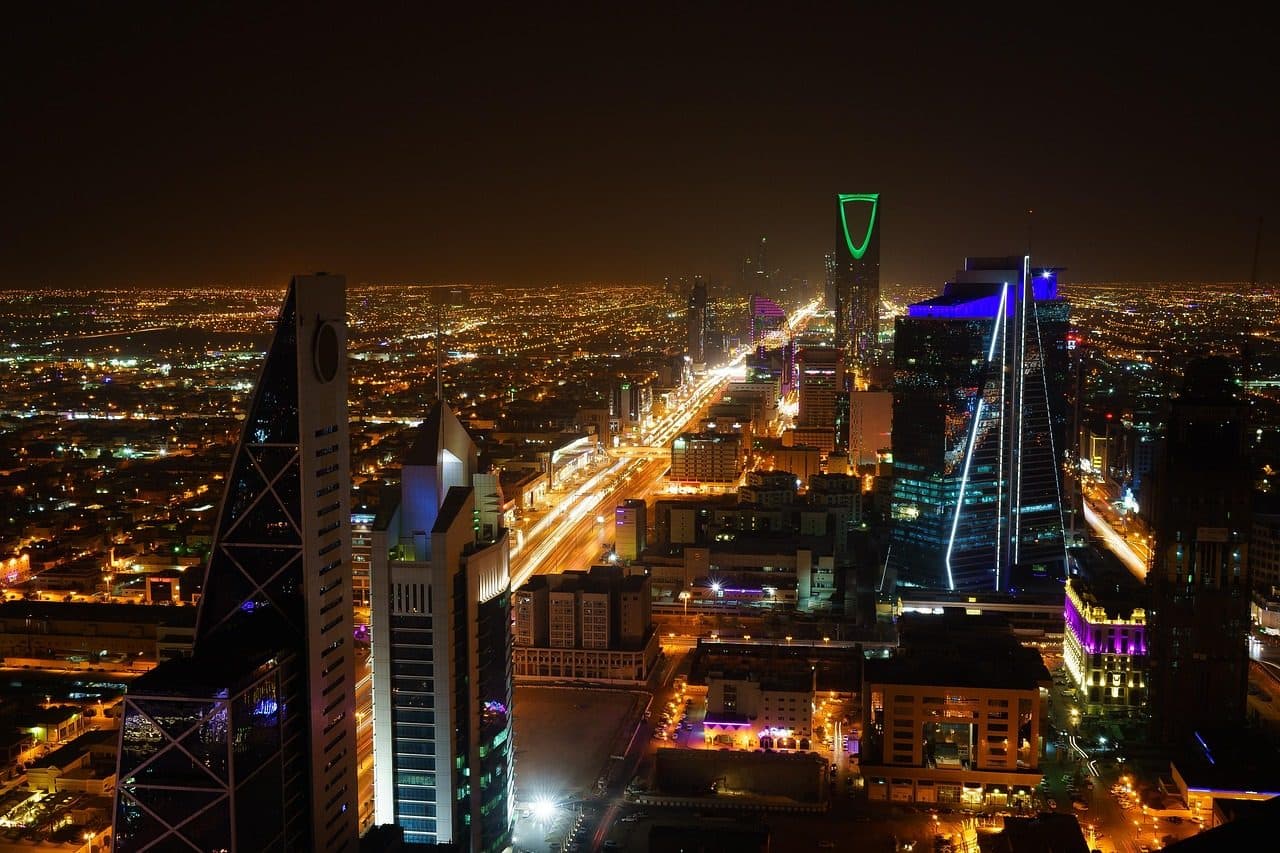
CNBC said Houthi strikes have damaged civilian and economic infrastructure and disrupted travel and trade. The strikes have hit the PIF tower, Riyadh Airport and the country's largest oil refinery, and have killed and injured dozens.
Several flagship projects have been scaled back or cut. Saudi Arabia has reassessed the cost and commercial prospects of NEOM and The Line, stopped funding the LIV Golf tournament and paused work on a planned giant skyscraper in Riyadh. In January it said it would postpone hosting the 2029 Asian Winter Games at Trojena, and it called off the 'Davos in the Desert' investor conference that was due in November.
Alibrahim said infrastructure investment let the energy sector return to near pre-crisis production. After the airport strikes, the country shifted its import and export hub to the west by land transport, which restored cargo levels. Saudi Arabia also announced a 15% minimum effective tax rate on multinational profits, which he said would give the private sector a clearer environment.
The Finance Ministry expects the economy to contract about 2.1% this year and rebound 10.9% next year. Oxford Economics forecasts a 3.4% shrinkage this year and 4% in 2027. Akanksha Samdani said the government is shifting budget spending towards essential services and strategic priorities, while PIF is becoming more selective and seeking greater private-sector participation.
Background
khabr.pk reported on 22 November that Saudi Arabia deported 11,915 people in one week over residency, labour and border violations, according to Gulf News. On 13 November we reported that the Saudi-led coalition said it had intercepted suspected Houthi drones over the Riyadh region and Eastern Province.
Why it matters for Pakistan
Saudi Arabia is a major destination for Pakistani workers, and its project spending affects hiring. The reports do not give figures for jobs or visas. They do show that flagship projects have been scaled back or cut and that the economy is contracting, which are changes Pakistani workers and their families will want to follow.
Get khabr.pk news on Facebook and YouTube
Short news videos every day, and the day’s top stories in your feed.