Russia doubts direct talks with Europe as US pushes new format
Euronews reported that Moscow says no date has been agreed for an expanded format including Europe. Europe has formed a joint team of seven delegations and institutions for the Ukraine negotiations.
- Russia's Yury Ushakov says no date is agreed for talks with Europe
- Europe's joint team includes France, Germany, the UK, Italy, Poland, EU institutions and NATO
- European, US and Ukrainian officials meet in Berlin on Thursday
Russia is again casting doubt on face-to-face talks with Europe on ending the war in Ukraine, even as Washington presses for a wider format, Euronews reported on 17 November.
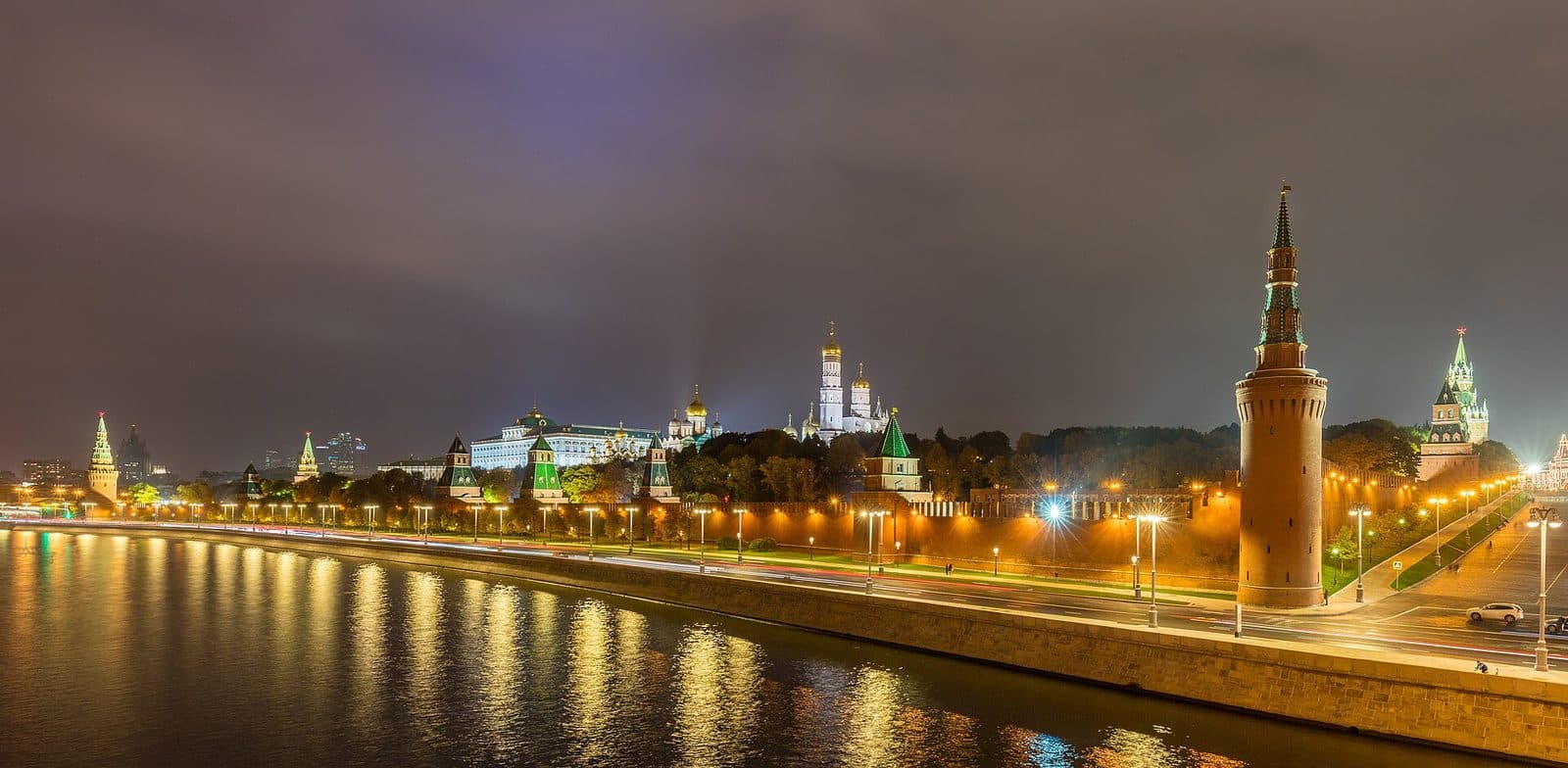
Yury Ushakov, a close aide to President Vladimir Putin, said: "The date has not yet been agreed and the expansion of the format – some people are talking about it – but it has not been agreed with us." He suggested that one or more further rounds of three-way talks with the US and Ukraine may be needed before Russia meets the Europeans.
US special envoy Jared Kushner said preparations were under way for a multilateral meeting expected in the near future. He said: "We discussed how to facilitate direct engagement between Europe and Russia, which has been largely absent over the past four years."
So far the talks have run on two parallel tracks: Ukraine, Russia and the US on one, and Ukraine, Europe and the US on the other. Euronews reported that the US side has concluded this arrangement has reached its limit. European, US and Ukrainian officials agree that a multilateral format with Russia is the only way to move the process forward.
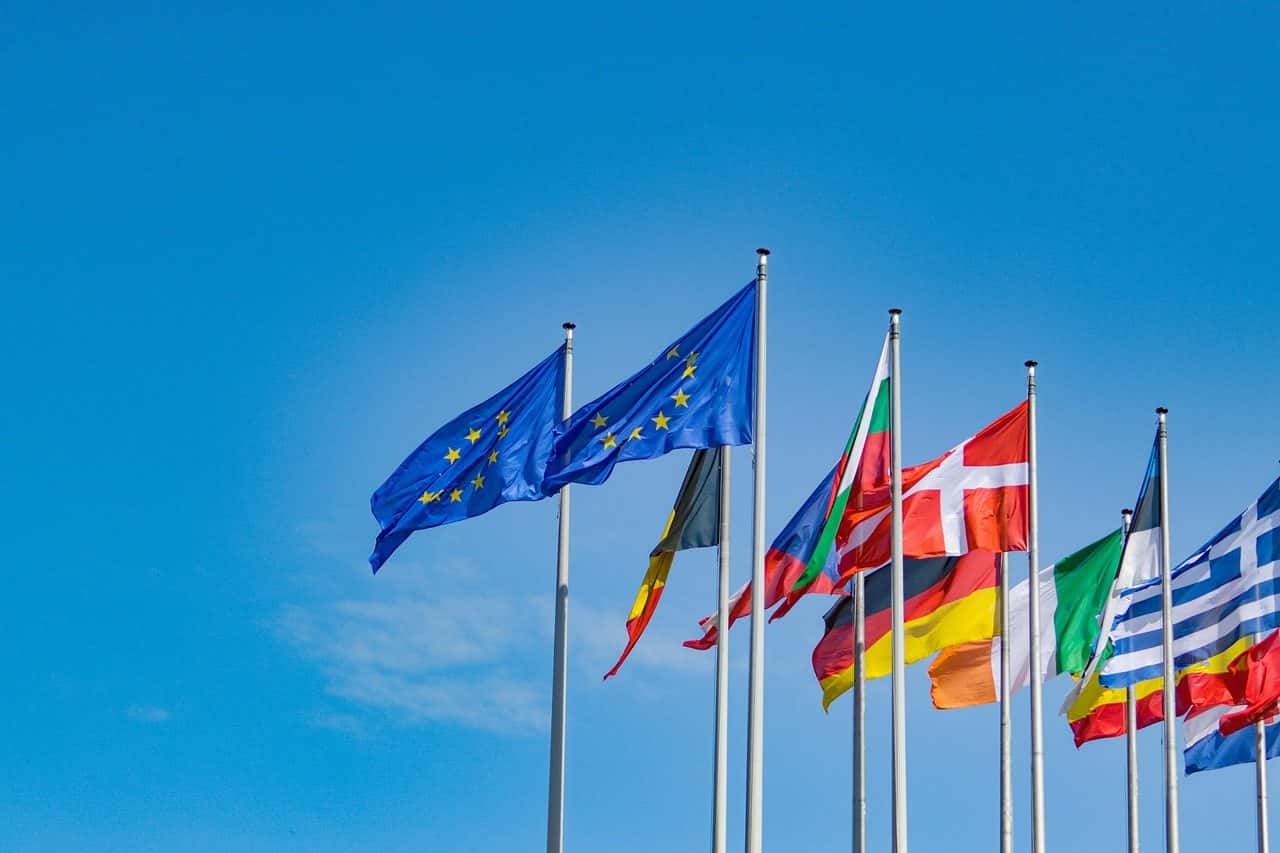
Europe, which had long opposed direct engagement with Russia, has settled on a joint team to speak for the continent. It comprises France, Germany, the United Kingdom, Italy, Poland, the EU institutions (Council and Commission) and NATO. Commission chief spokesperson Paula Pinho said: "We are absolutely ready to engage at the multilateral level."
Senior officials from the European team will meet US and Ukrainian counterparts on Thursday to work out next steps. The meeting will be held on the sidelines of the Coalition of the Willing in Berlin. European officials say expectations should stay low given how volatile the negotiations are.
Brussels has begun drafting a common mandate in case the format goes ahead. Austria has circulated a two-page paper built around political, security, humanitarian and economic pillars. It urges the EU to use its sanctions as fully as possible, plan a special mission to monitor any eventual ceasefire, and devise a strategy for frozen Russian assets. It also proposes dividing tasks among the EU, NATO, the UN, the OSCE and the Coalition of the Willing.
According to the New York Times, Russian demands passed to the US include an end to NATO expansion, a pullback of NATO troops to 1997 borders and a halt to military support for Ukraine. Europeans are also preparing new sanctions on Russia and further support for Ukraine.
Background
khabr.pk reported on 15 November that Kushner said Washington was arranging direct Europe-Russia contact and preparing the agenda for the next three-way round. On 13 November we reported that US envoys Steve Witkoff and Jared Kushner had agreed another round of talks that Europe would join. The three-way talks began in Abu Dhabi on 10 November.
Why it matters for Pakistan
The war in Ukraine affects energy markets and great-power diplomacy that Pakistan follows closely. Petrol was Rs325 per litre and high-speed diesel Rs358 on 17 November, according to khabr.pk records, so Pakistani households and transporters are exposed to global fuel price movements. Progress or delay in these talks is part of the wider diplomacy that shapes the international environment.
Get khabr.pk news on Facebook and YouTube
Short news videos every day, and the day’s top stories in your feed.