Rubio says Trump prefers peaceful end to Iran war as talks continue in Qatar
US Secretary of State Marco Rubio said President Trump has not decided on military action against Iran and would prefer a peaceful route. Mediators held a third day of talks on Sunday while both sides exchanged threats.
- Rubio said Trump has made no decision on military action and prefers a peaceful path.
- Qatar is leading indirect US-Iran talks on a proposal that could reopen the Strait of Hormuz.
- Iran's Supreme Leader Mojtaba Khamenei warned of a response with no geographical limits if fighting resumes.
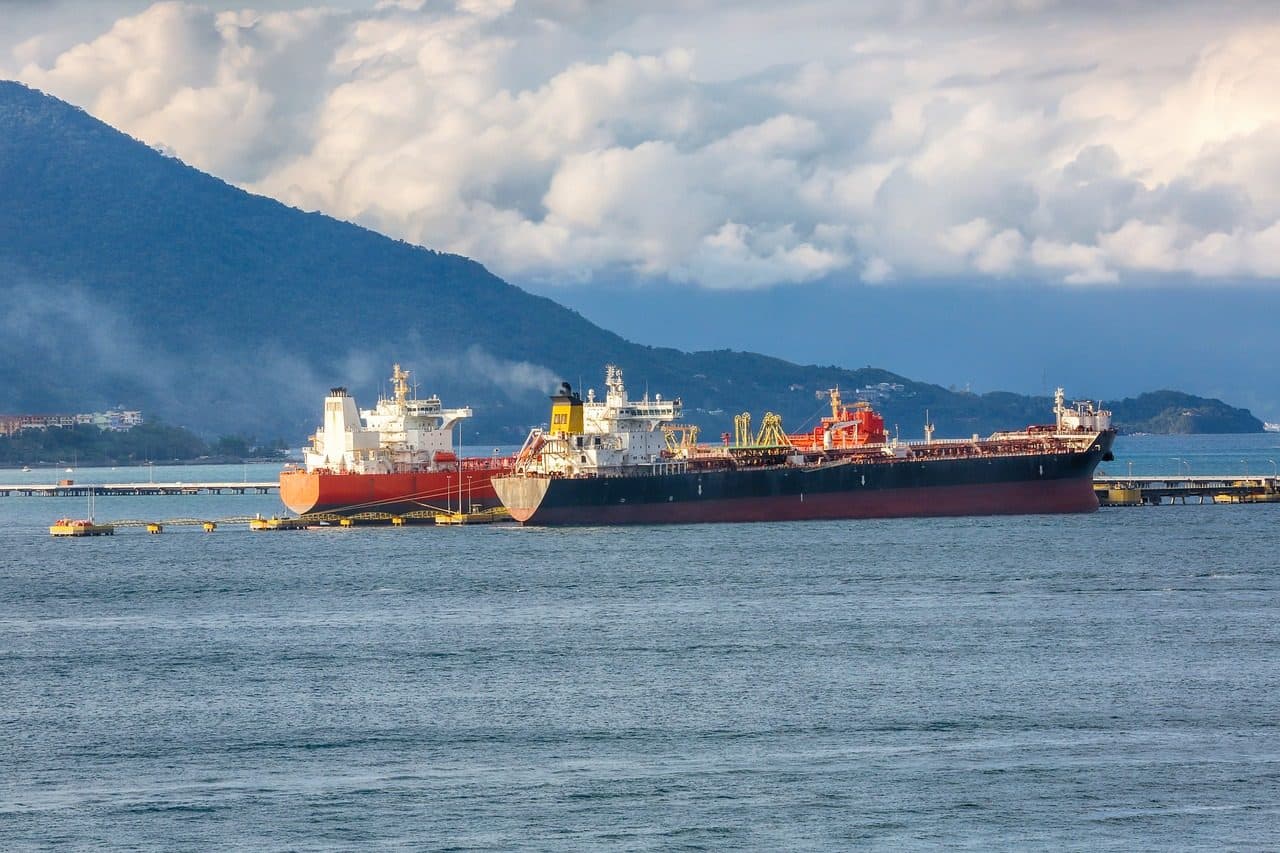
- A vessel was hit by an unknown projectile in the Strait of Hormuz on Sunday, UKMTO said.
US Secretary of State Marco Rubio said President Donald Trump has not made a decision on military action against Iran, but would prefer to end the war peacefully, according to CNBC. Rubio said: "He [Trump] hasn't made a decision...what the president expresses to you is incredible confidence that if we needed to do something militarily, we would have the ability to do it, and we really we have everything we need to be successful. But we would prefer to do it peacefully."
The remarks come as reports suggest both sides are preparing for further strikes. The Wall Street Journal and The New York Times reported that the US is preparing for possible renewed military action after the November 3 midterm elections.
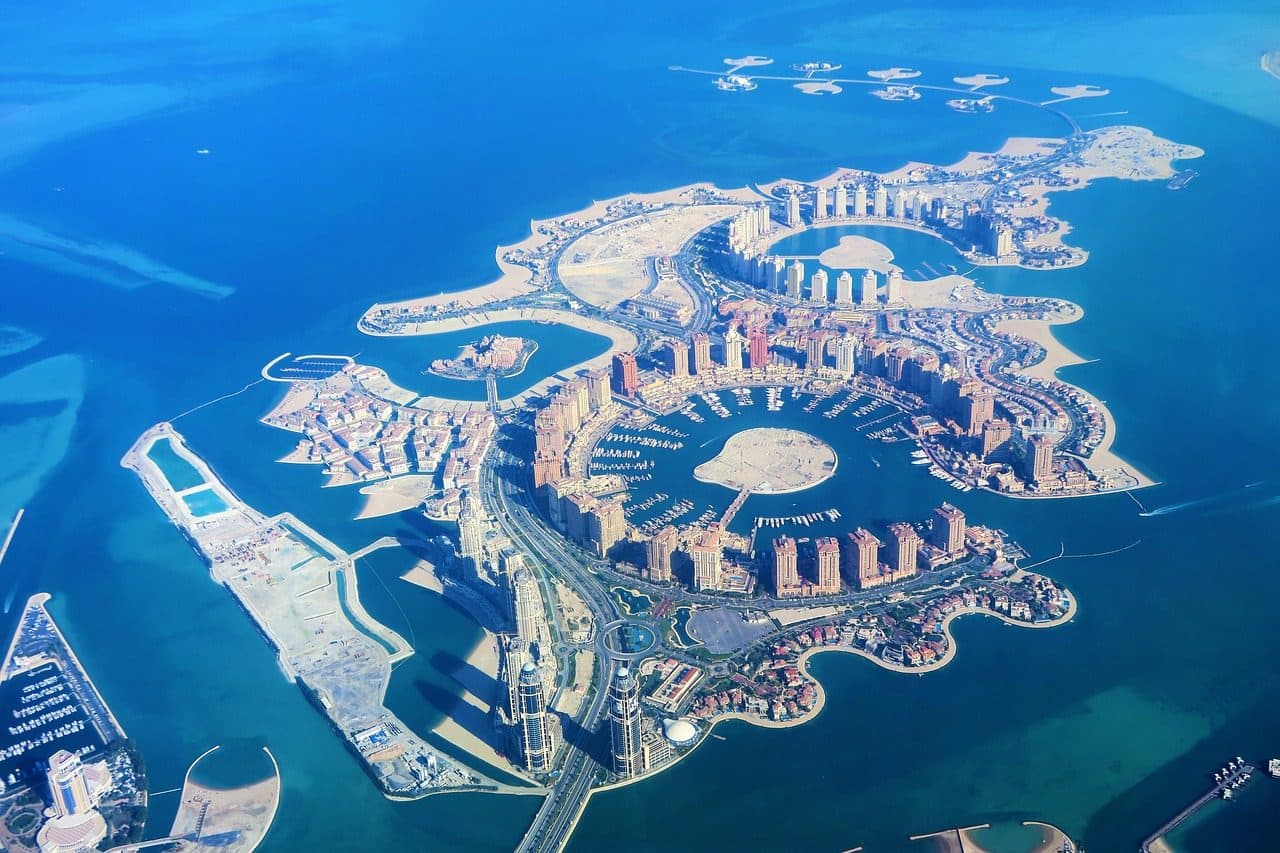
Mediators held a third consecutive day of talks on Sunday aimed at preventing a return to fighting, CBS News reported. Qatar is leading indirect talks between the US and Iran. Foreign Minister Abbas Araghchi said Iranian negotiators are in Qatar to discuss a proposal that could reopen the Strait of Hormuz, and that the outcome depends on US answers.
Trump said on Saturday the US still had targets to take care of in Iran, and cited a suspected nuclear complex at Pickaxe Mountain as a potential target. On Sunday he said he may have to give Tehran "the hammer" at an unspecified time. He also said: "Either they'll make a deal, or we'll just end it." He added: "We've had such a victory, and we'll put it away very soon, one way or the other."
Trump told reporters he had a very good talk with Israeli Prime Minister Benjamin Netanyahu on Saturday, giving no details. Sources cited by Axios said Netanyahu pushed Trump to strike Iran, while Trump wants to let negotiations play out.
Iran's Supreme Leader Mojtaba Khamenei ordered the armed forces to answer any threat with an immediate, impactful response without geographical restrictions. He also ordered the military database updated to bring US and Israeli assets within reach. Iran's foreign ministry designated the UK's Military Intelligence Services as a hostile group, accusing the Royal Navy and Air Force of supporting terrorist organisations. It said this answered London's actions, including designating the Islamic Revolutionary Guard Corps as a terrorist organisation, and accused the UK of giving US forces access to British bases. The BBC reported the UK allowed US forces to use RAF Fairford and Diego Garcia for strikes on Iran.
In the Gulf, UAE presidential adviser Anwar Gargash told a security forum in Bahrain that his country hopes for a diplomatic breakthrough but is preparing for escalation. He said: "We don't really want to see another round of confrontation in the region." Britain's UKMTO agency said a vessel was struck by an unknown projectile in the Strait of Hormuz on Sunday. Qatar's state news agency said the Qatari gas carrier Al Mayeda was attacked on Friday with unidentified objects; no crew were hurt and there was no environmental impact. Iran has been targeting vessels in the strait and wider Gulf since the war began in February, the reports said.
Why it matters
The US-Iran war affects oil prices and Gulf stability, which bear on Pakistan's economy and fuel costs. Shipping attacks near the Strait of Hormuz add to that concern.