PM Shehbaz credits military-political partnership for economy
Prime Minister Shehbaz Sharif said inflation fell from 32% to 11.5% and the policy rate from 23.5% to 12%. He credited cooperation between the civilian government and the military leadership at an American Business Council of Pakistan event.
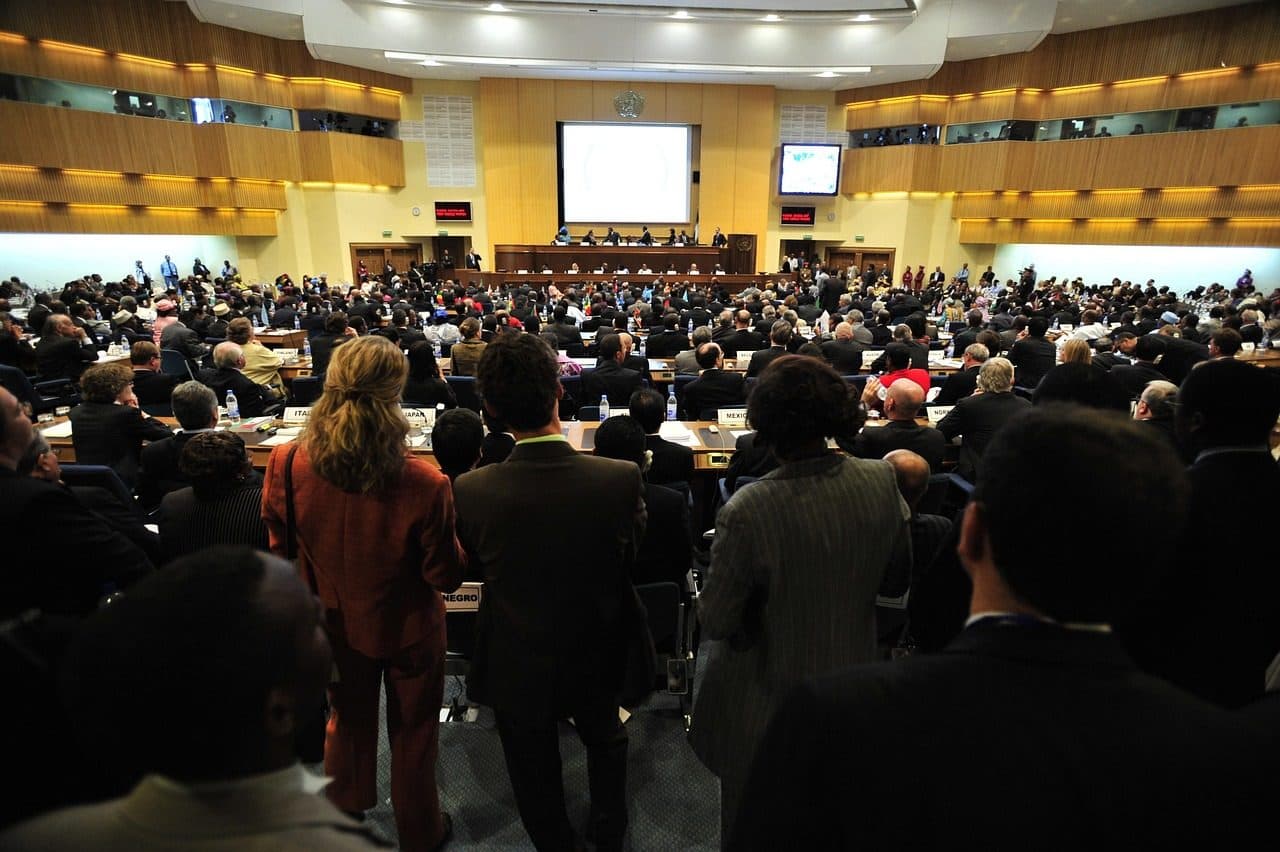
- PM Shehbaz said inflation fell from 32% to 11.5% and the policy rate from 23.5% to 12%
- He put combined bank and central bank reserves at about $27 billion
- He credited his cabinet and Field Marshal Asim Munir's team, and invited US firms to invest
Prime Minister Shehbaz Sharif said on 19 November that Pakistan's recent economic gains are the result of a partnership between the military and political leadership. He was speaking at a ceremony organised by the American Business Council of Pakistan in Islamabad.
According to Daily Pakistan, he credited his cabinet and Chief of Defence Forces and Chief of Army Staff Field Marshal Asim Munir and his team. He said Pakistan would have progressed further, and earlier, had the same cooperation existed in past decades. "When was the last time you had struck a very productive partnership between military and political hierarchy? Never in the history of Pakistan," he said.
Recalling the serious threat of default in 2023, the prime minister said the economy has since improved. He gave these figures: combined reserves of commercial banks and the central bank at roughly $27 billion, inflation down from 32% to 11.5%, and the policy rate cut from 23.5% to 12%. He said the economy is stable despite the ongoing Gulf crisis.
Sharif acknowledged that the energy position remains very fragile because Pakistan imports more than 90% of its energy needs. He said the government avoided fuel shortages and long queues at petrol pumps. Referring to the Prime Minister's Fuel Relief Scheme, he said: "To the contrary, we have been able to carve out a subsidy programme to shelter the most vulnerable segments of our society."
He said the government gave tax relief worth Rs400 billion in the budget despite an IMF programme. He also voiced concern about low-income families struggling to afford food, medicines, education, clothing and heating in winter.
On investors, he pledged to remove bureaucratic and procedural hurdles and to set up a mechanism for genuine complaints. He said the government is prioritising digitisation, e-governance, privatisation and modernisation of the FBR, and wants faster growth in agriculture, industry, AI, IT, mining and minerals.
American firms were invited to invest in sectors including energy, ports and shipping and infrastructure. Sharif said Pakistan is considering buying more American farm products such as soybeans, and is seeking wider US market access for surgical instruments, sports goods and other manufactured items.
He added that Pakistan is in diplomatic contact with Iran and Washington, backed by friendly countries, to help resolve the Gulf crisis.
Background
khabr.pk reported on 18 November that the prime minister and PML-N president Nawaz Sharif met AJK leaders in Muzaffarabad. On 19 November, khabr.pk's records put the interbank dollar close at Rs276.52 and the KSE-100 close at 176,772.19 points.
Why it matters for Pakistan
The figures on inflation and the policy rate bear on household costs and borrowing for businesses across Pakistan. Petrol was Rs322 per litre and diesel Rs355 on 18 November according to khabr.pk's records, and the prime minister said fuel relief targets vulnerable groups. The promise to clear procedural hurdles and handle complaints is aimed at investors, including American companies. Talk of more soybean imports and wider US access for surgical instruments and sports goods concerns Pakistani exporters.
Get khabr.pk news on Facebook and YouTube
Short news videos every day, and the day’s top stories in your feed.