Pakistan's first astronaut reaches orbit: the week in science
Zeeshan Ali became the first Pakistani in orbit this week, aboard China's Tiangong station. Elsewhere, an asteroid probe sent images and Copernicus data flagged a record hot day.
- Zeeshan Ali docked at Tiangong on Wednesday 25 November and spoke live with Pakistan's leaders on Saturday.
- ESA released Hera's first images of asteroid Dimorphos on 25 November.
- Early Copernicus data put 20 November at 2.12C above the preindustrial average.
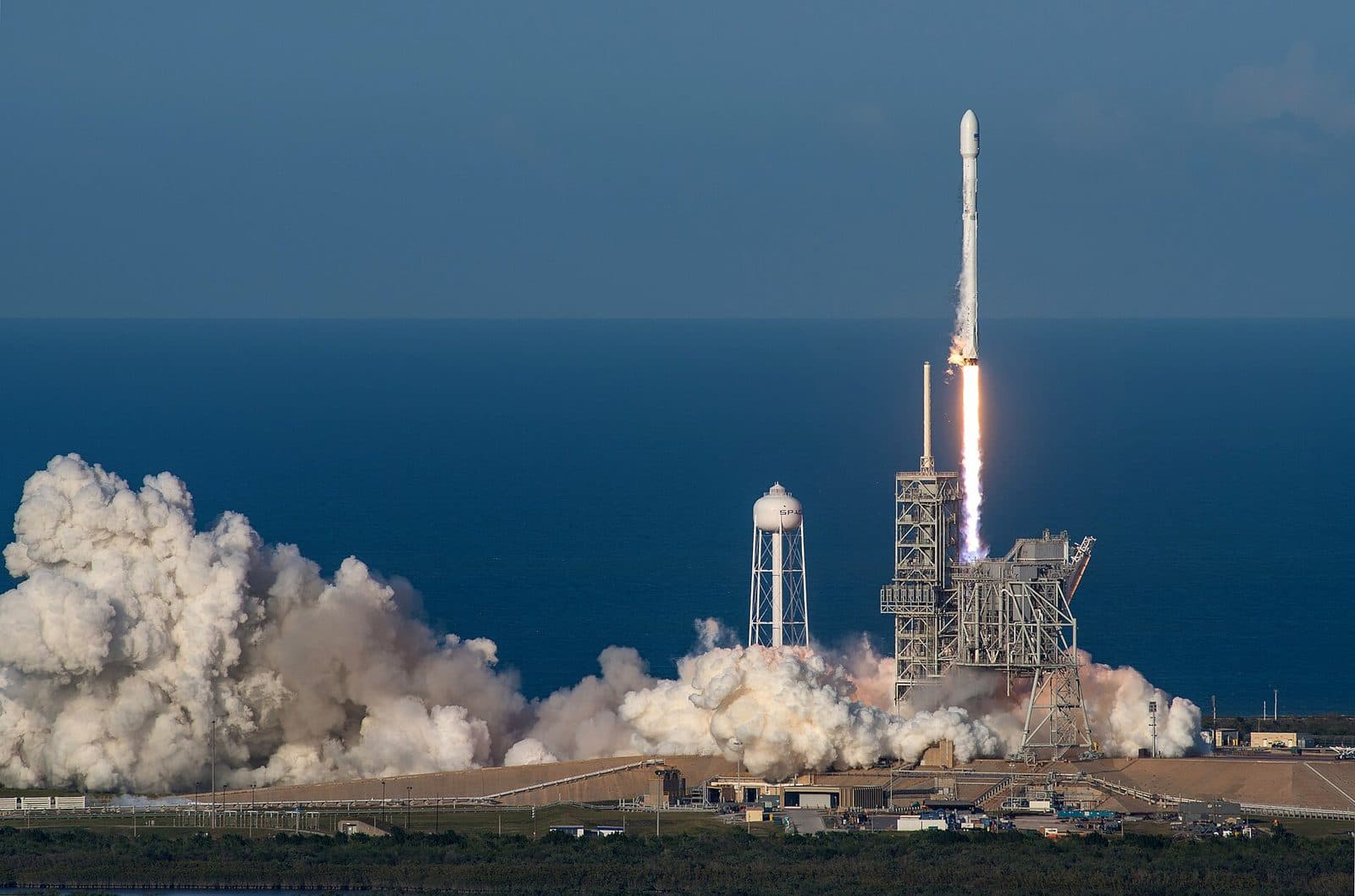
The biggest science story of the week for Pakistan was Zeeshan Ali's flight. khabr.pk reported on 24 November that Muhammad Zeeshan Ali would become the first Pakistani in space when Shenzhou-24 lifted off at 5:18 am Pakistan time on Wednesday from Jiuquan. He joined Tang Hongbo and Wu Yi as a payload specialist, and was to carry four Pakistani biotechnology experiments for a stay of about one week.
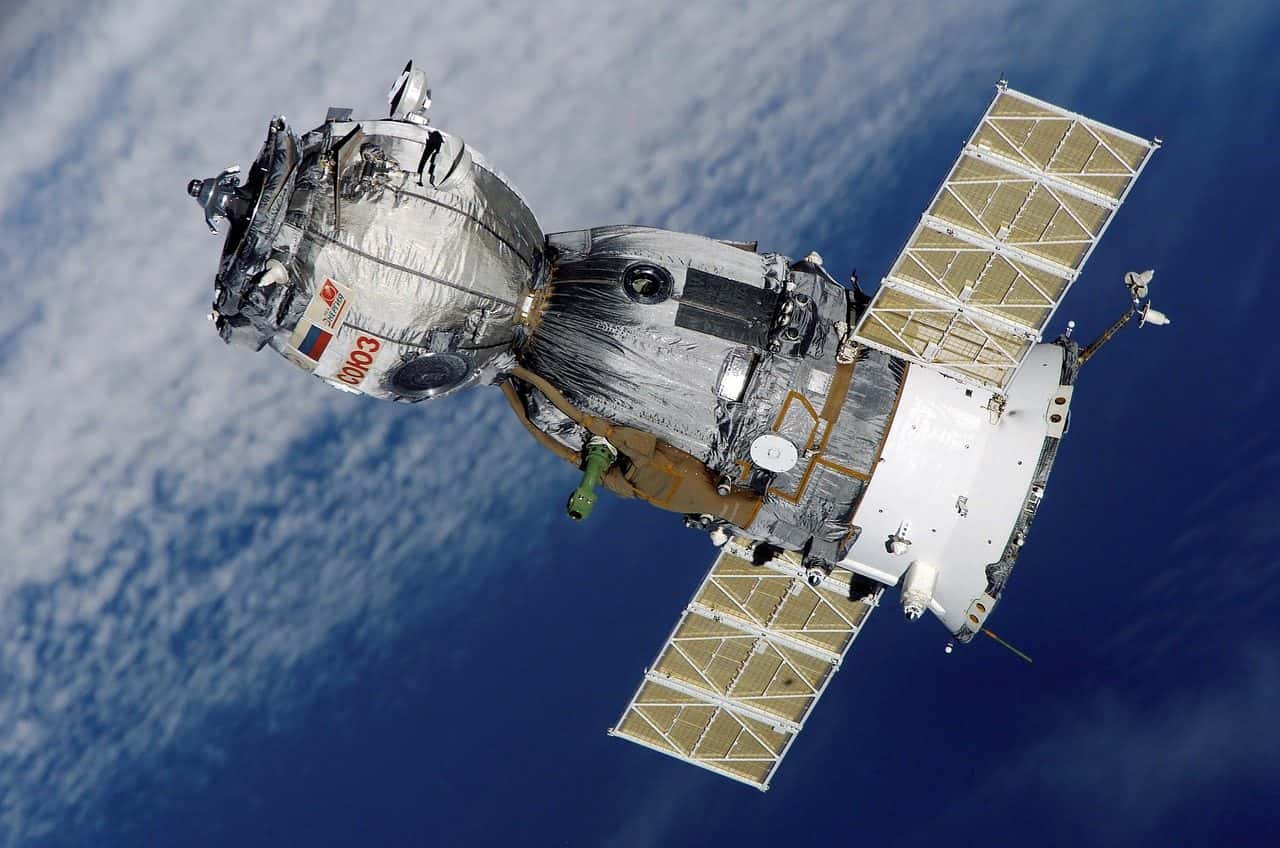
On 25 November khabr.pk reported that Shenzhou-24 docked with China's Tiangong station at 11:56am, about three and a half hours after launch. Ali, 40, is the first Pakistani in orbit and the first foreign astronaut aboard the station. He is expected to stay five to 10 days.
On Saturday, Prime Minister Shehbaz Sharif and Field Marshal Asim Munir spoke live with Ali from SUPARCO in Islamabad. Ali said he was orbiting 400 kilometres above the Earth at 7.9 km per second. He urged young people to promote education and excel in science and technology.
Space cooperation was also in the news. khabr.pk reported on 26 November that Russia says it is ready to share Earth observation technology with Pakistan and help build its space capabilities. Energy Minister Sergei Tsivilev made the offer at a press conference in Moscow. A joint working group has prepared space cooperation documents for leaders to sign, and Pakistan will host the next bilateral commission meeting in 2027.
Beyond Pakistan, the European Space Agency released the first images from its Hera probe of the asteroid Dimorphos on 25 November. They show the target of NASA's 2022 DART impact, including Dimorphos casting its shadow on Didymos during an eclipse. Hera will stay at the system for months and inspect the crater left by DART.
On climate, khabr.pk reported on 23 November that early Copernicus data put 20 November 2026 at 2.12 degrees Celsius above the preindustrial average, a record for temperature anomaly. A Climate Central scientist said El Niño is still building and more days above 2C are likely. Both 2026 and 2027 are expected to run more than 1.5C above preindustrial levels.
On 22 November khabr.pk reported on a team led by the US National Institute of Standards and Technology. It confirmed a person's location by sending a single photon through optical fibre, between two stations about 200 metres apart. NIST says real-world use could be over a decade away.
Still open: how long Ali's stay will last, within the stated five to 10 days, and what Hera finds at the DART crater in the months ahead.
Why it matters for Pakistan
Zeeshan Ali's flight is a first for Pakistan and carries four Pakistani biotechnology experiments. Russia's offer and the planned 2027 commission meeting point to possible space cooperation, though documents are still to be signed. The record hot day and the expected run above 1.5C in 2026 and 2027 are climate signals that concern everyone in Pakistan. The photon experiment is early work, with real-world use over a decade away.
Get khabr.pk news on Facebook and YouTube
Short news videos every day, and the day’s top stories in your feed.