ESA releases Hera's first close-up images of asteroid Dimorphos
The European Space Agency is releasing the first images from its Hera probe of the asteroid Dimorphos on 25 November. They show the target of NASA's 2022 DART impact, including a shadow cast during a double-asteroid eclipse.

- Hera's first images of Dimorphos were released on 25 November, with a livestream on ESA WebTV and YouTube.
- One image shows Dimorphos casting its shadow on Didymos in an eclipse in deep space.
- Hera will stay at the system for months and inspect the crater left by NASA's DART.
The European Space Agency (ESA) is releasing the first close-up images of the asteroid Dimorphos taken by its Hera spacecraft, which is arriving at the Didymos double-asteroid system after a two-year journey, Space.com reported.
ESA's livestream of the images starts at 19:45 CET on Wednesday, 25 November (1845 GMT), on ESA WebTV and the ESA YouTube channel, according to Phys.org and Space.com.
One image shows a solar eclipse in deep space. Dimorphos, the smaller moonlet, casts its shadow across part of its parent body Didymos, blanking out the sun over the shaded stretch of surface. Phys.org said the picture was taken with Hera's monochrome Asteroid Framing Camera, which is used for navigation and science imaging.
Hera principal investigator Patrick Michel said: "Eclipses just like last summer's total solar eclipse occur on asteroids as well, when they have a small moon like this one."
Didymos is 730 metres across, while Dimorphos is 151 metres across, about the size of the Great Pyramid of Giza. Dimorphos orbits about 1 kilometre from Didymos. Gravity on Didymos is about 40,000 times weaker than on Earth, and on Dimorphos about 200,000 times weaker.
NASA's DART spacecraft crashed a kinetic impactor into Dimorphos in 2022, confirming that such an impact can alter an asteroid's path. DART shortened the orbit of Dimorphos by just over 30 minutes. Hera will inspect the wreckage and the impact crater.
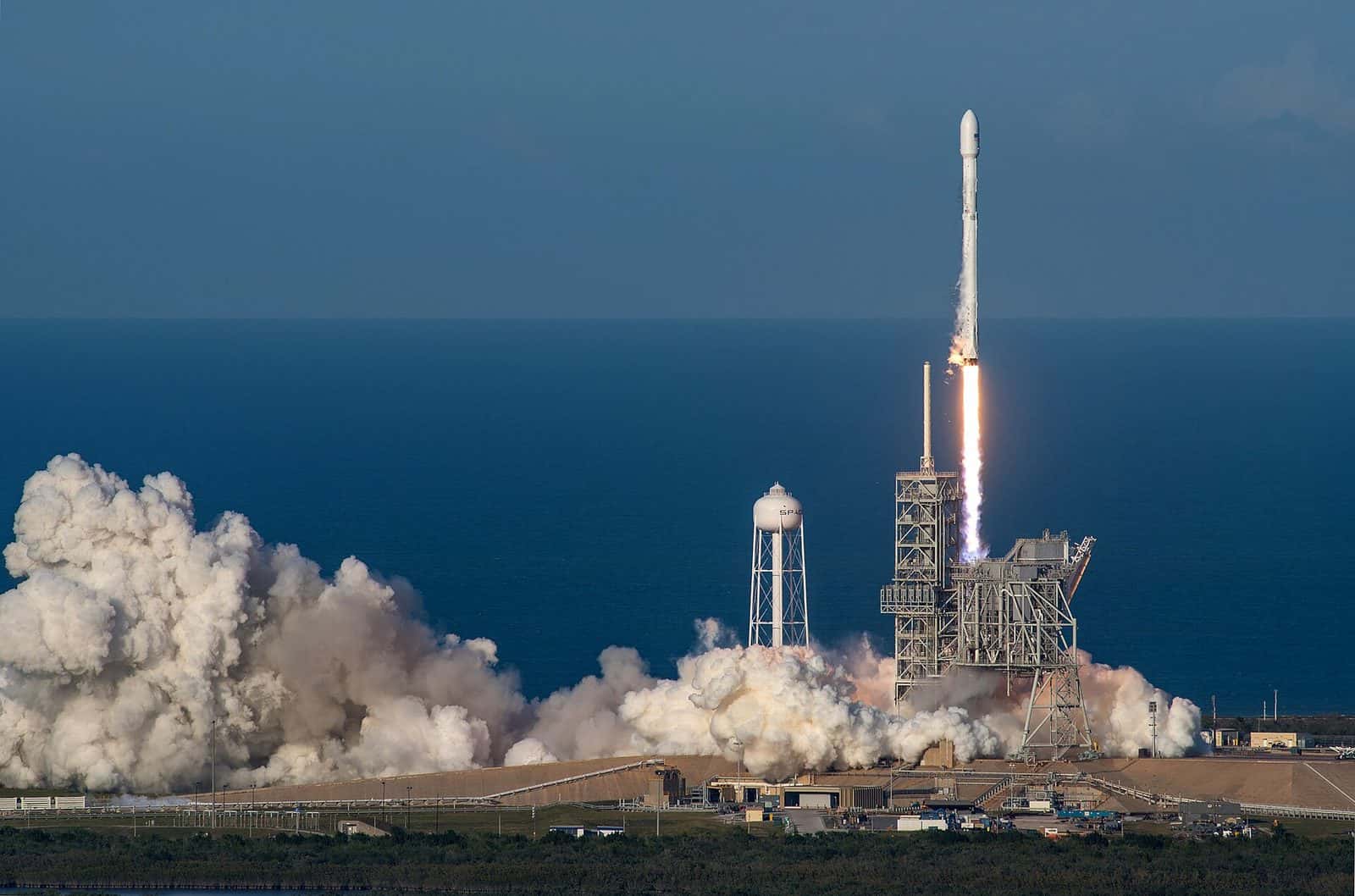
Hera launched on a SpaceX Falcon 9 rocket from Cape Canaveral on 7 October 2024 and photographed Mars' moon Deimos on its way. It will stay at the system for months and deploy cubesats carrying visible and infrared cameras and radar instruments.
Michel listed the questions the mission aims to answer: "How did the impact change Dimorphos? What is the mass of the asteroid and which of its properties explain its response to DART impact?" Mission manager Ian Carnelli said the international collaboration worked "to help make Earth safer".
Background
khabr.pk reported on 12 November that ESA and the Euclid Consortium released the first major batch of Euclid telescope data, covering 900 million galaxies. On 25 November we also reported that Pakistan's Zeeshan Ali reached China's Tiangong station.
Why it matters for Pakistan
Readers in Pakistan who follow space missions get the first detailed look at the target of NASA's DART test, the first demonstration of changing an asteroid's path. The mission follows a week in which Pakistan itself featured in spaceflight news, with Zeeshan Ali becoming the first Pakistani in orbit. The reports do not describe any direct effect on Pakistan.
Get khabr.pk news on Facebook and YouTube
Short news videos every day, and the day’s top stories in your feed.