Pakistan Water Week 2026 opens in Islamabad with parliamentary pledge
Senate Chairman Yousaf Raza Gilani inaugurated the sixth Pakistan Water Week in Islamabad on Monday. He pledged parliamentary support for water security commitments through legislation, oversight and budget allocations.
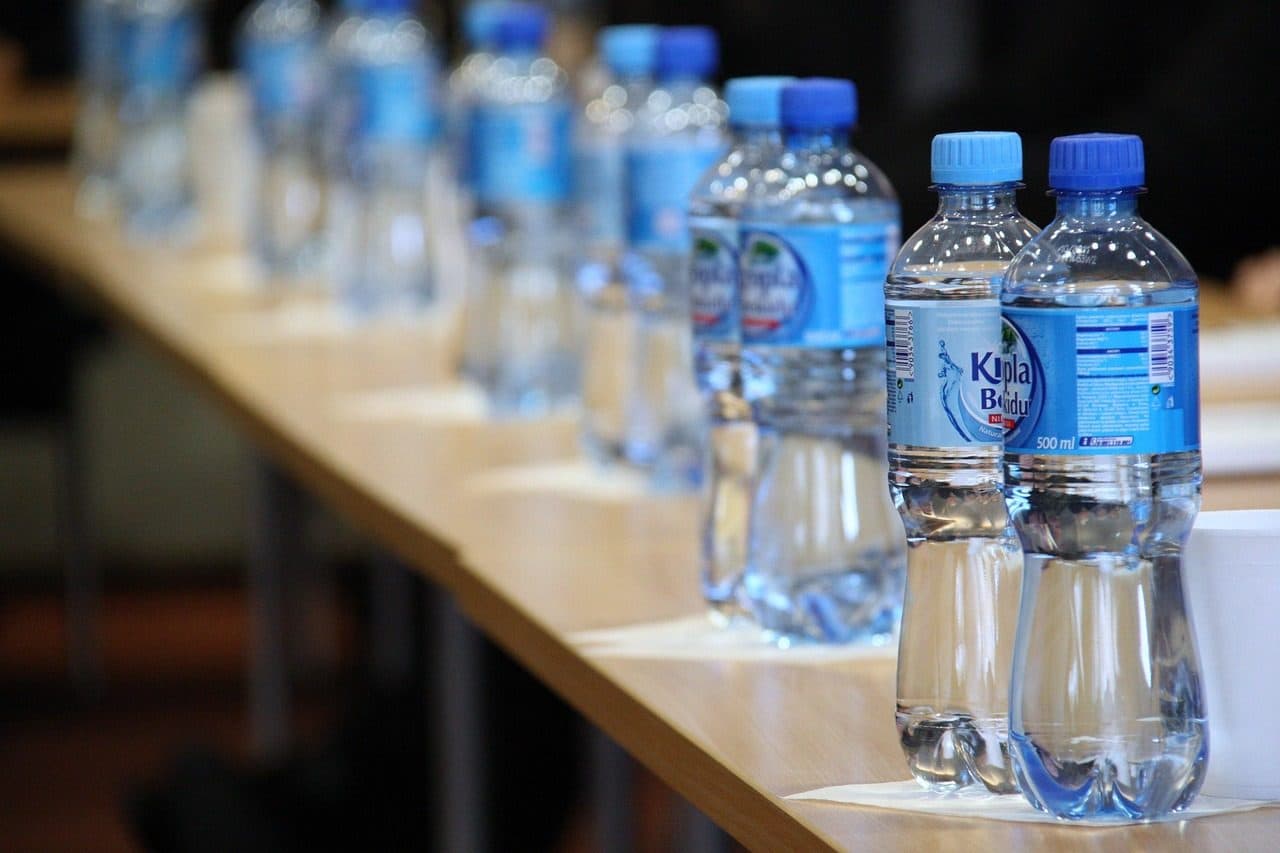
- The five-day conference runs from November 2 to 6 in Islamabad.
- Senate Chairman Gilani called water security a national priority.
- More than 200 participants attended the opening session.
Senate Chairman Yousaf Raza Gilani inaugurated the sixth edition of Pakistan Water Week in Islamabad on Monday. He pledged parliamentary support through legislation, oversight and budgetary allocations to advance the commitments made at the event, and called water security a national priority.
The conference runs from November 2 to 6 and focuses on water security and climate-resilient food systems. More than 200 participants attended the opening session. The programme includes two thematic tracks with 13 sessions each, plus plenary sessions, and a closing ceremony is scheduled for November 5.
The conference was organised by the International Water Management Institute (IWMI) and the CGIAR Policy Innovations Science Program, together with the Pakistan Council of Research in Water Resources and the Ministry of Water Resources.
Gilani said Parliament must check whether water policies improve life for farmers and for people hit by floods and shortages. He called for full implementation of provincial water laws and stronger groundwater governance. He said solar-powered pumps have helped farmers but need rules on groundwater extraction, and urged regulated aquifers, planned recharge and use of floodwater to refill underground reserves.
Citing figures, Gilani said the 2022 floods affected about 33 million people and caused more than $30 billion in damage and economic losses. He said nearly seven million people were affected by floods last year, and that per capita water availability has fallen from more than 5,000 cubic metres to about 1,000 cubic metres.
Describing the problem, Gilani spoke of "Too much water and too little, sometimes in the same districts within the same year." He also said "response is not resilience." He said sharing reliable data could build trust between provinces, and that women, young people and farming communities must be partners in water management.
Gilani reiterated that Pakistan considers the Indus Waters Treaty valid and binding, and called for a water-secure and flood-resilient Pakistan by 2047.
IWMI Pakistan Country Representative Dr Muhammad Ashraf said each session should produce a clear commitment, a responsible party and a timeline. IWMI Strategic Programme Director Dr Mohsin Hafeez said Pakistan has evidence and ideas but needs shared commitment to implement them.
Why it matters
Water supply and farming across Pakistan depend on how water policy is carried out, and the conference focuses on water security and climate-resilient food systems. Farmers and flood-affected communities are among those Gilani said policies must serve.