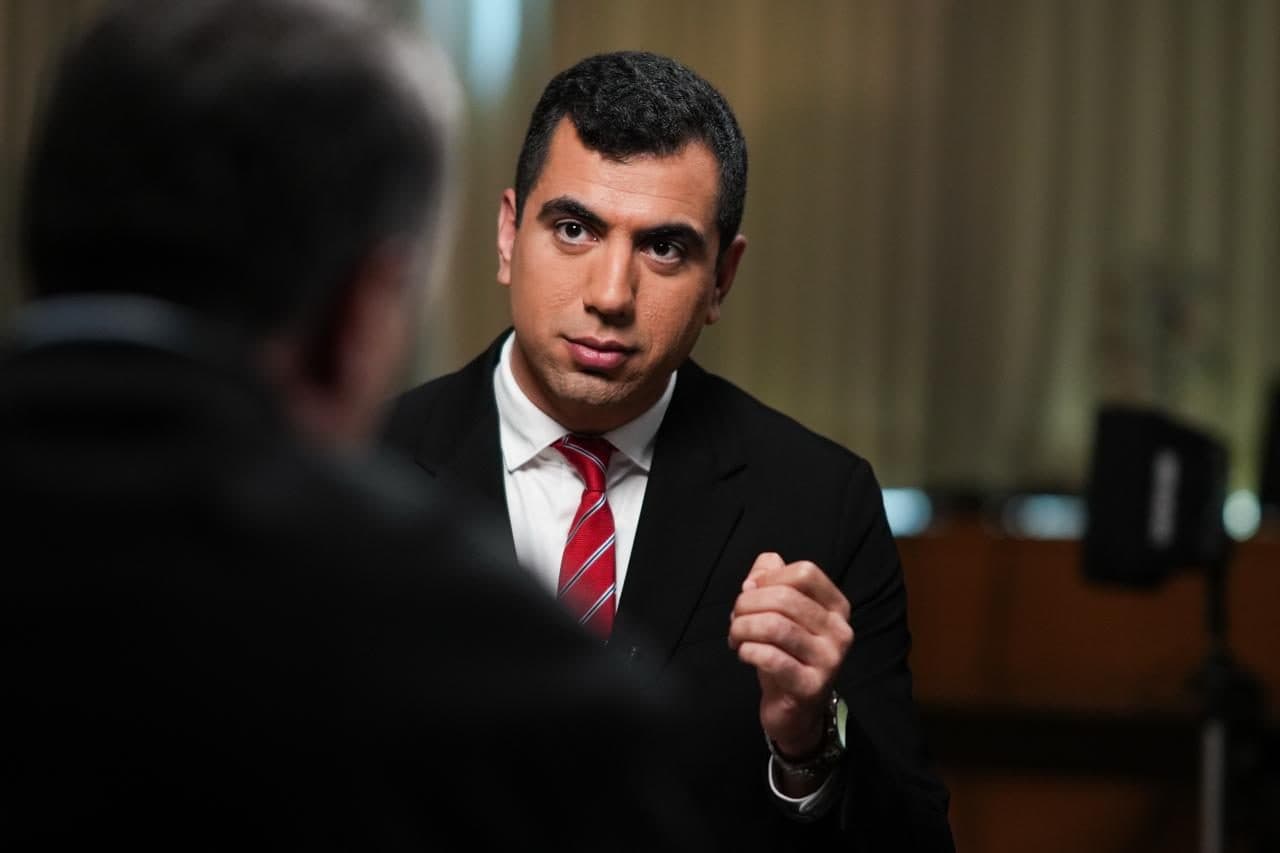
Netanyahu offers Eisenkot first turn as PM in unity government bid
Caretaker Israeli prime minister Benjamin Netanyahu has offered a rotating premiership, with Gadi Eisenkot serving first, to end the deadlock after last month's election. The two men met in Tel Aviv on Sunday morning.
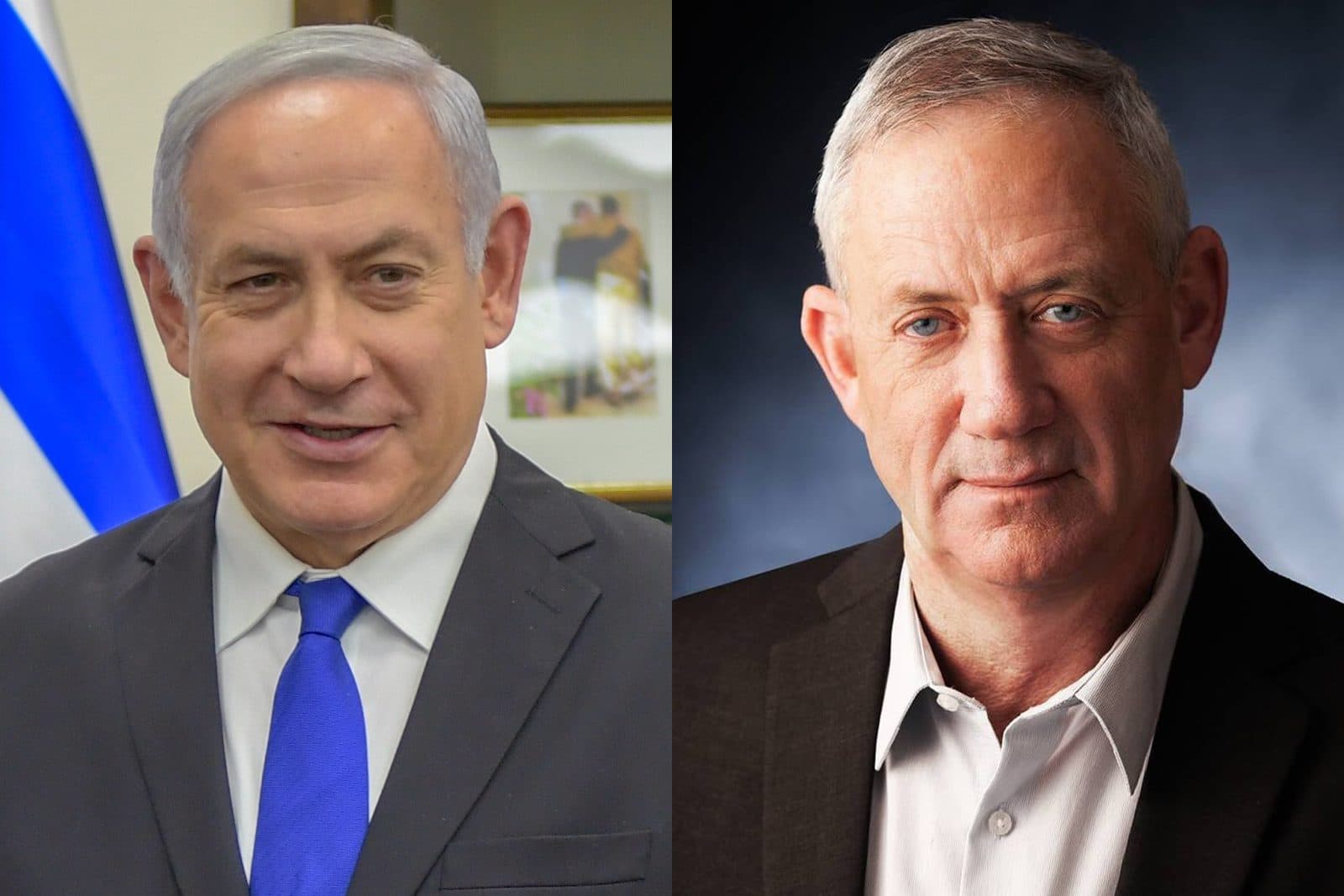
- Netanyahu offered to let Gadi Eisenkot serve first as prime minister in a unity government
- Neither bloc reached the 61 seats needed for a majority in the October election
- Opposition figures Yair Golan and Yair Lapid rejected the offer, while Naftali Bennett urged cautious talks
Israeli caretaker Prime Minister Benjamin Netanyahu has proposed a national unity government with a rotating premiership to break the stalemate left by last month's election, which gave no side a clear majority. Under the offer, opposition leader Gadi Eisenkot would serve first as prime minister, with Netanyahu as alternate prime minister at the start of the term.
Netanyahu and Eisenkot met on Sunday morning at the defence ministry in Tel Aviv, France 24 reported. The talks began with a briefing on Israel's security situation. A Likud statement said the two had spoken and agreed to meet at 10am (0800 GMT).
The election results left the parties short of a majority. Likud and its allies, including far-right and ultra-Orthodox parties, won 53 seats. The opposition bloc led by Eisenkot's centrist Yashar party won 48, and the two Arab-led coalitions took 19. A majority needs 61 seats. Turnout was nearly 78 per cent, according to The Independent.
Netanyahu cited the existential danger facing Israel and the risk of a government unable to confront it. "My responsibility as a leader requires me to set everything aside," he said.
Eisenkot, whom President Isaac Herzog has tasked with forming a government, said he would announce one by the 6 December deadline without using a 14-day extension. He said: "If Likud is ready for genuine unity, I am ready to assess the seriousness of its intentions over the next 24 hours." He invited Netanyahu and his team to talks that night at the Dan Accadia Hotel in Herzliya. He had earlier accused Likud of stalling to force new elections, and said on Saturday that Likud had not answered a detailed proposal.
Reactions were mixed. Yair Golan, head of the Democrats, dismissed the offer, saying: "Enough with the stunts and tricks." Yair Lapid, a former prime minister and co-chair of the Beyachad party, called it a con and proposed swearing in an Eisenkot government first, then negotiating a unity government. Naftali Bennett welcomed Netanyahu's statement but urged caution.
Sticking points include ultra-Orthodox conscription, differences on national security and judicial reforms, and whether Arab parties may join or back a coalition. The United Arab List and the Joint List did well, but all but one of the Jewish parties pledged not to work with them. Joint List leader Youssef Jabareen said "this bloodstained, neglectful government must go", and the list is expected to support an Eisenkot-led government without joining it.
Possible outcomes include a rotating unity government or an Eisenkot-led coalition relying on outside support. If no deal is reached, Israel could face another election, with Netanyahu staying on as caretaker prime minister.
Background
khabr.pk has reported on the wider regional conflict in recent weeks, including Israeli strikes in Gaza despite the ceasefire, on 24 November, and US and Israeli strikes on Iran that Washington Post reporting on 29 November linked to Iranian attacks on US forces.
Why it matters for Pakistan
Who governs Israel affects the Middle East conflicts that Pakistanis follow closely, including Gaza and the confrontation with Iran. Whether Israel forms a stable government or heads to another election bears on how those conflicts are handled.
Get khabr.pk news on Facebook and YouTube
Short news videos every day, and the day’s top stories in your feed.