National Assembly passes four government bills by majority vote
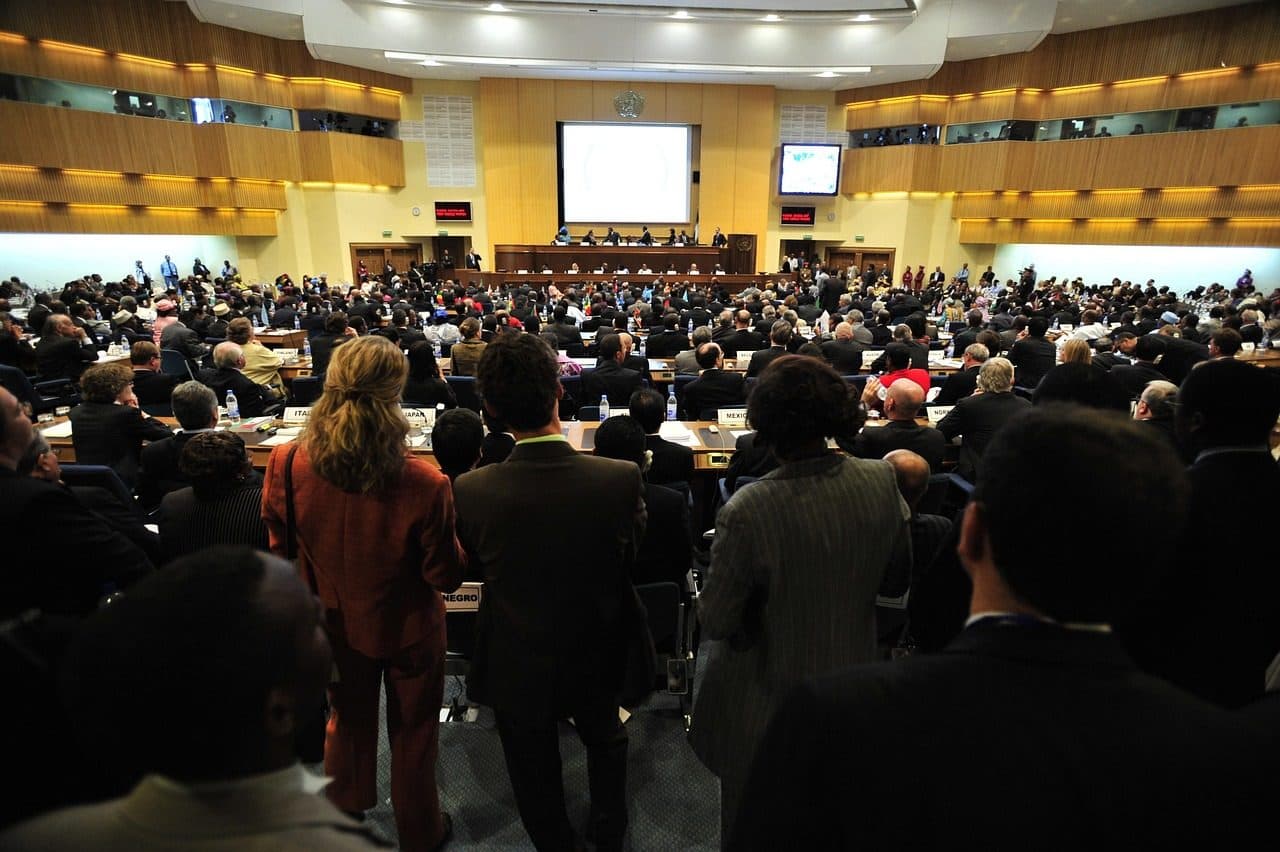
The National Assembly on Friday passed four government bills by majority vote after clause-by-clause consideration. They include an amendment to the Higher Education Commission law.
- Four government bills passed by majority vote after clause-by-clause consideration
- Bills cover the HEC, NFC IET Multan, National Textile University and a national authority
- House was also told two urea plants are closed due to gas shortfall
- Health minister said a counterfeit medicine barcode project will be launched by end of November
The National Assembly on Friday passed four government bills by majority vote after clause-by-clause consideration, Associated Press of Pakistan and 24 News reported.
The bills were the Higher Education Commission (Amendment) Bill, 2026; the NFC Institute of Engineering and Technology Multan (Amendment) Bill, 2026; the National Textile University (Amendment) Bill, 2026; and the National Rahmatul-Lil-Aalameen Wa Khatamun Nabiyyin Authority (Amendment) Bill, 2026.
According to 24 News, the House was also informed during the session that gas supply had been affected by the Middle East situation. Two urea plants in the country remain temporarily closed because of the gas shortfall, which has reduced fertilizer availability by over 200,000 tons.
The House was told that Pakistan relies on imports for about 50% of its fertilizer needs, and that fertilizer prices have risen in the international market because of the Middle East crisis. Parliamentary Secretary Shaista Khan said the Ministry of National Food Security and Research gives priority to farmers' needs, including easy loans. She said the concerned minister has taken action over wheat adulteration with sand and soil in Khyber Pakhtunkhwa, and that work on new seed varieties is under way at NARC.
Minister for National Health Services Mustafa Kamal said the Prime Minister will formally launch a project against counterfeit medicines by the end of November. Under it, consumers will be able to scan 2D barcodes with mobile phones at pharmacies to verify a medicine's authenticity. The system will check the approved price and expiry date and allow DRAP to act against those involved in making and distributing counterfeit medicines. He added that the government is working towards self-reliance in indigenous vaccine production.
Minister for Railways Hanif Abbasi said Pakistan Railways has introduced online and electronic ticket booking through the RABTA mobile application.
On wheat, the House was told that after PASSCO was dissolved, letters were sent to relevant institutions and provinces to distribute available stocks. Wheat is being supplied to Balochistan, Azad Kashmir and other areas, and imported stocks have reached warehouses. A digital dashboard has been introduced to track wheat movement and deliveries to provinces.
The government said PASSCO declined because of financial and administrative problems, as some provinces did not pay its dues and bills on time. It intends to involve the private sector in wheat supply and is devising a system to monitor private companies and hold them accountable.
Why it matters
The amended laws affect how higher education bodies and universities are governed. The session also covered fertilizer supply, wheat distribution and medicine verification, which concern farmers, consumers and patients.