Saudi, Turkish and Pakistani officials hold talks in Tehran on easing tensions
Senior officials from Saudi Arabia, Turkey and Pakistan met Iranian leaders in Tehran on Monday to try to prevent renewed fighting in the Middle East. The meeting ended without concrete announcements, though Iran's security chief called the talks "very good".
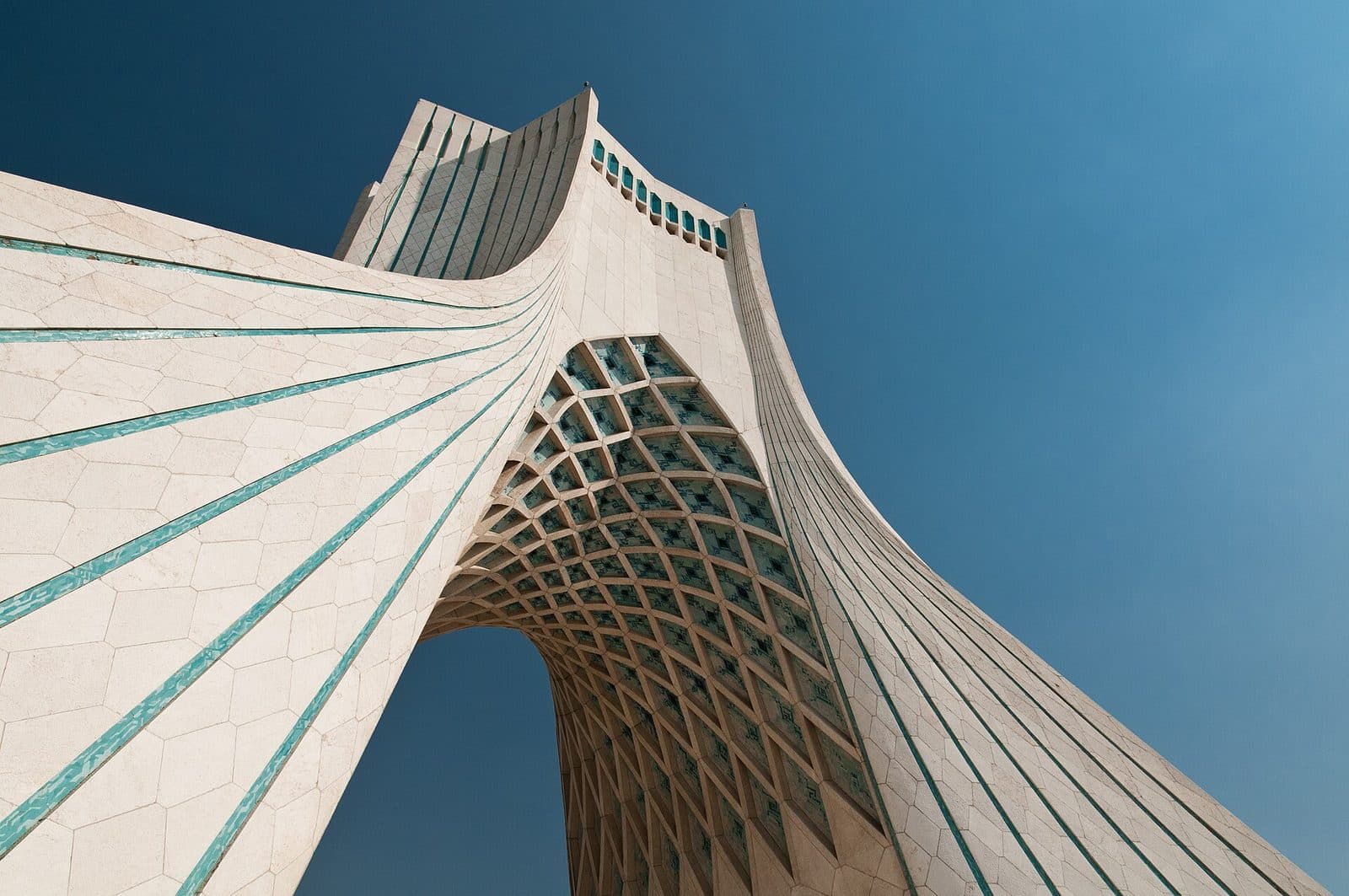
- Saudi, Turkish and Pakistani officials visited Tehran on Monday for talks with Iranian leaders.
- France 24 reported it was their first joint visit to Tehran since forming the Mecca defence alliance in August.
- Iranian state media said the parties agreed to continue discussions.
Senior officials from Saudi Arabia, Turkey and Pakistan held talks in Tehran on Monday aimed at stopping the Middle East war from reigniting, according to France 24. Iran described the discussions as "very good".
A Saudi foreign ministry statement said officials from the three countries, which belong to the Mecca pact, travelled to Iran as part of efforts to "de-escalate between the parties to the current crisis". Saudi Defence Minister Prince Khalid bin Salman led his country's delegation, and Arab News reported that he met Iranian President Masoud Pezeshkian.
France 24 reported that the delegations met Pezeshkian and Foreign Minister Abbas Araghchi. Prince Khalid, Pakistan's army chief Field Marshal Asim Munir and Turkish intelligence chief Ibrahim Kalin also met Mohsen Rezaei, who heads Iran's Supreme National Security Council. It was the first joint visit to Tehran by the three countries since they formed the defence alliance in Mecca in August.
The meeting ended without concrete announcements. Iranian state media said the parties "agreed to continue discussions". State television quoted Rezaei as saying a new atmosphere was emerging in the region and that he sensed a very positive mood in the talks.
Rezaei said the participants agreed that regional security should be achieved by the countries themselves and that any foreign intervention must be prevented. He said the talks put emphasis on Israeli occupation of southern Lebanon, southern Syria, Gaza and the West Bank.
The visit followed warnings from the United States, Iran and Israel that hostilities in the eight-month war could resume. US President Donald Trump said on Friday that Washington "may do another little Epic Fury", a reference to the US-Israeli campaign against Iran that began on February 28. Israeli Prime Minister Benjamin Netanyahu said on Sunday that Israel had intelligence signs Iran and its proxies could attempt attacks to disrupt Tuesday's Israeli elections.
UN Secretary General Antonio Guterres said in Cairo it was essential to stop any escalation. Separately, France 24 said US-Iran mediation efforts have been led by Qatar and Pakistan, and that a Qatari delegation visited Tehran on Sunday, according to Iran's foreign ministry spokesman Esmaeil Baqaei.
Why it matters
Pakistan's army chief took part in the Tehran talks, and Pakistan is also named as a mediator between the US and Iran, so the outcome bears on regional security near Pakistan and on its ties with Gulf states.