LPG prices surge in Pakistan, cutting incomes of rickshaw drivers
LPG prices have jumped since two Iranian border crossings closed on October 17, halting imports. Rickshaw drivers in Lahore say their earnings have fallen sharply.
For information only, not investment advice. Prices change quickly: check the time and source of every figure.
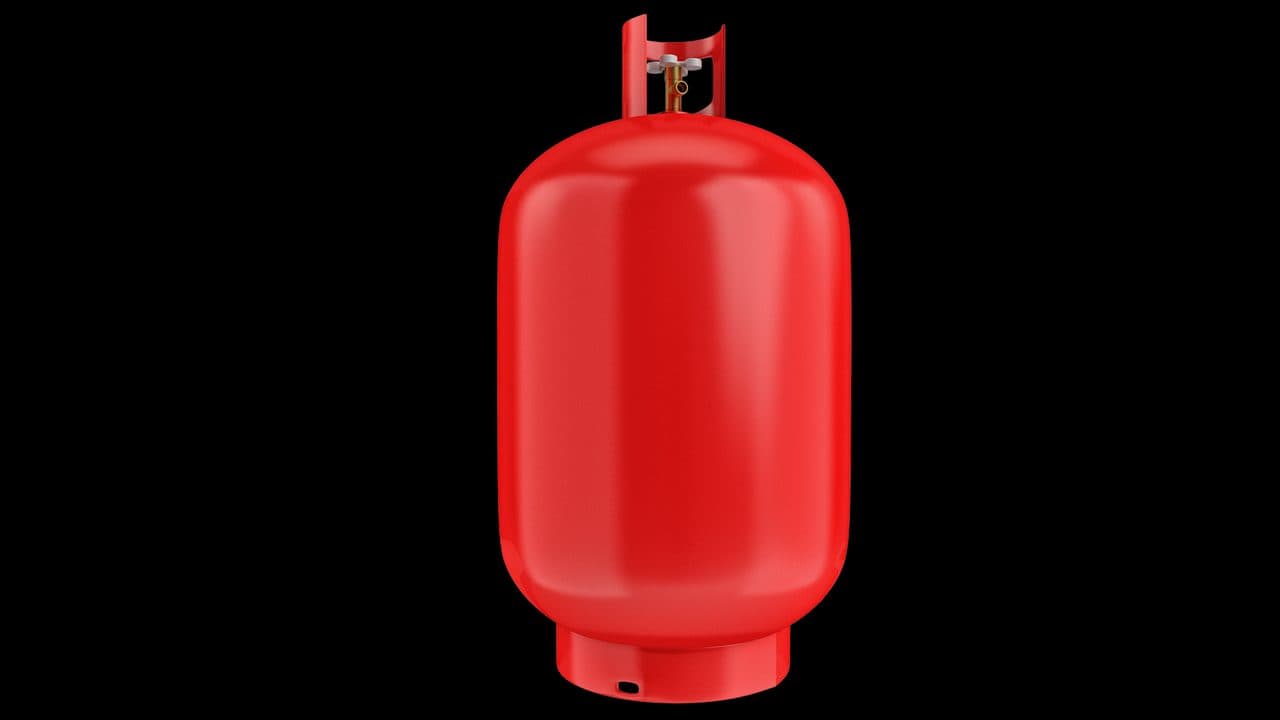
- A 12-kg LPG cylinder rose 56% to Rs7,000 within days of the border closures, traders said.
- Pakistan imported about 7,000 metric tons of LPG a day from Iran before the closures, per the Pakistan LPG Association.
- Rickshaw driver Rashid Ali now earns about $3 a day, down from $6.50.
Liquefied petroleum gas (LPG) prices in Pakistan have surged since October 17, when two Iranian border crossings closed and imports stopped. Drivers who run their vehicles on LPG, which is sold in cylinders and mainly used for cooking and heating, are among those hit hardest.
Before the closures, Pakistan imported about 7,000 metric tons of LPG a day from Iran, according to the Pakistan LPG Association. Traders said the price of a 12-kg cylinder jumped 56% within days to Rs7,000, or about Rs583 per kg in the open market.
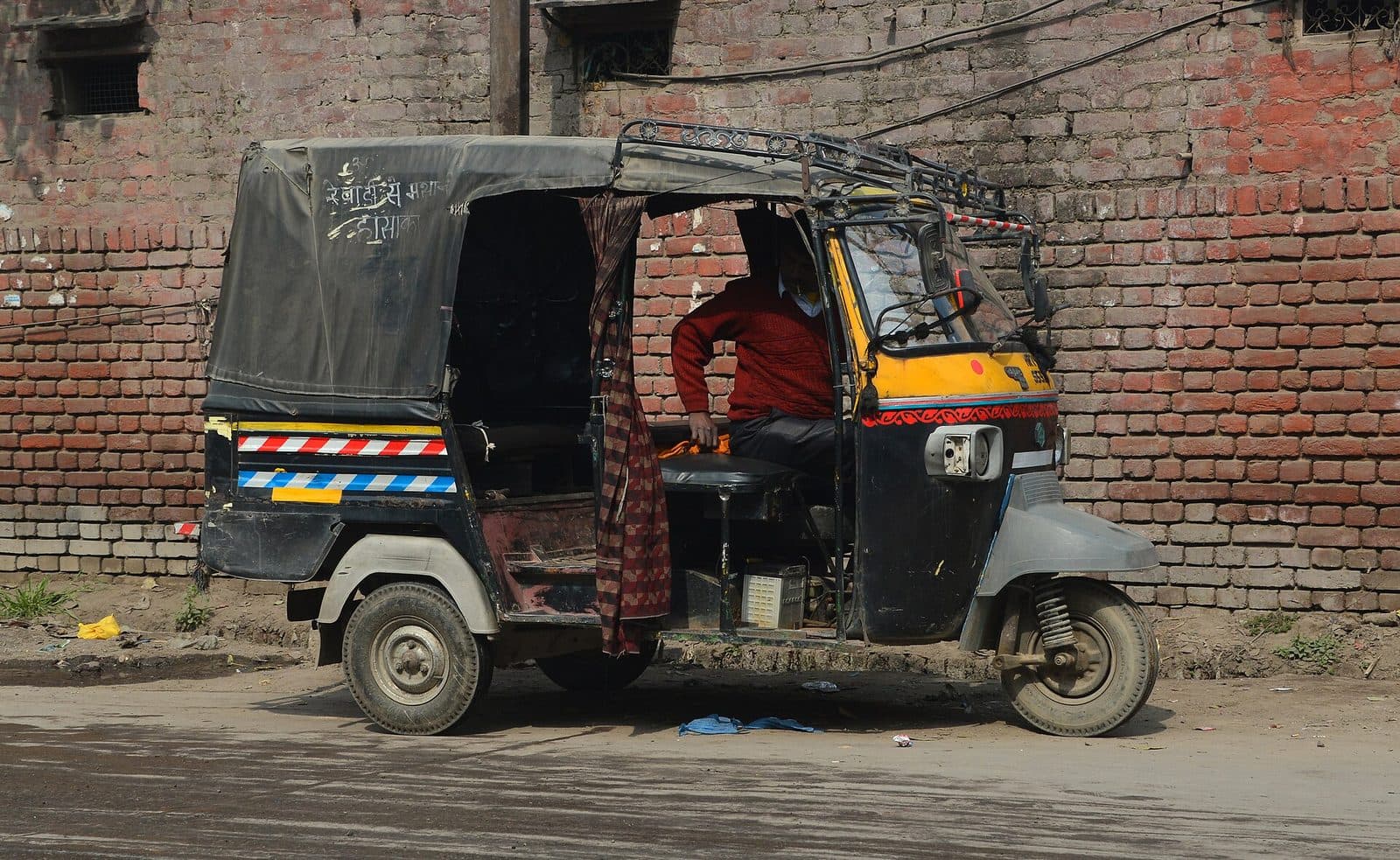
Majeed Ghauri, chairman of the Awami Rickshaw Union, called LPG "the fuel of the poor." He said about 70% of the union's 43,000 auto-rickshaws and nearly 8,000 Qingqis run on LPG.
Rashid Ali, 33, has driven a three-wheeled rickshaw in Lahore for 13 years. He was long able to earn $6.50 a day but now makes about $3. His family has cut back to eating twice a day.
Ali pays Rs600 a day to rent his rickshaw and fills up with gas four or five times a day at Rs300 to Rs400 each time. He also pays Rs11,000 a month for his home and supports two young children.
He said passengers do not want to pay higher fares. "Previously, when LPG was cheap, we could earn a decent income," Ali said. He added: "For a trip that should cost Rs200 or Rs250, they might only offer Rs80, Rs100, or Rs150 rupees."
A passenger, Mohammad Ramzan, said a driver asked Rs500 for a city ride. He offered half that and walked away when the driver declined.
The increase is the latest energy shock since the US-Iran war began in February. Inflation hit 9.6% in October, and the central bank raised interest rates to 12% last week, citing energy and wheat prices. Petrol reached a record Rs458 a litre on April 3 and remains about 40% above its pre-war price.
Why it matters
LPG is widely used for cooking and as vehicle fuel, so higher prices squeeze household budgets and the incomes of transport workers such as rickshaw drivers.