Lahore air stayed very unhealthy to hazardous in first week of November
Lahore's average Air Quality Index was 268 from 1 to 7 November, according to Pakistan Air Quality Initiative. Two of the seven days fell in the hazardous category.
- Average AQI of 268 from 1 to 7 November, peaking at 335 on 2 November
- Average PM2.5 was 215.5 micrograms per cubic metre, about 14 times the WHO guideline
- It was the third worst week in a nine-year record, the report said
Lahore's air stayed in the unhealthy range through the first week of November. According to Pakistan Air Quality Initiative, the city's average Air Quality Index (AQI) was 268 between 1 and 7 November.
The AQI peaked at 335 on 2 November, the highest reading of the week. Five of the seven days were in the very unhealthy category and two were in the hazardous category.
Average PM2.5 over the week was 215.5 micrograms per cubic metre, about 14 times the WHO guideline of 15. The report said PM2.5 this year was 25 percent higher than in the same period last year, and that this was the third worst week for air pollution in Lahore in a nine-year record.
The report said low night temperatures and low wind speed kept pollutants in the air. On days with at least 11 fire incidents, the average AQI was 207, compared with 158 on other days. The city recorded an average of 54.8 fire incidents a day.
On days when winds from India contributed more, Lahore's average AQI was 160, against 187 on other days. The report said this wind-path analysis does not confirm the actual source of the pollution.
Separate figures from Smog Rank put average PM2.5 in Lahore over the past seven days at 210.1 micrograms per cubic metre, about 3.2 times the one-year average of 65.2. On 2 November it reached 282.1 micrograms per cubic metre.
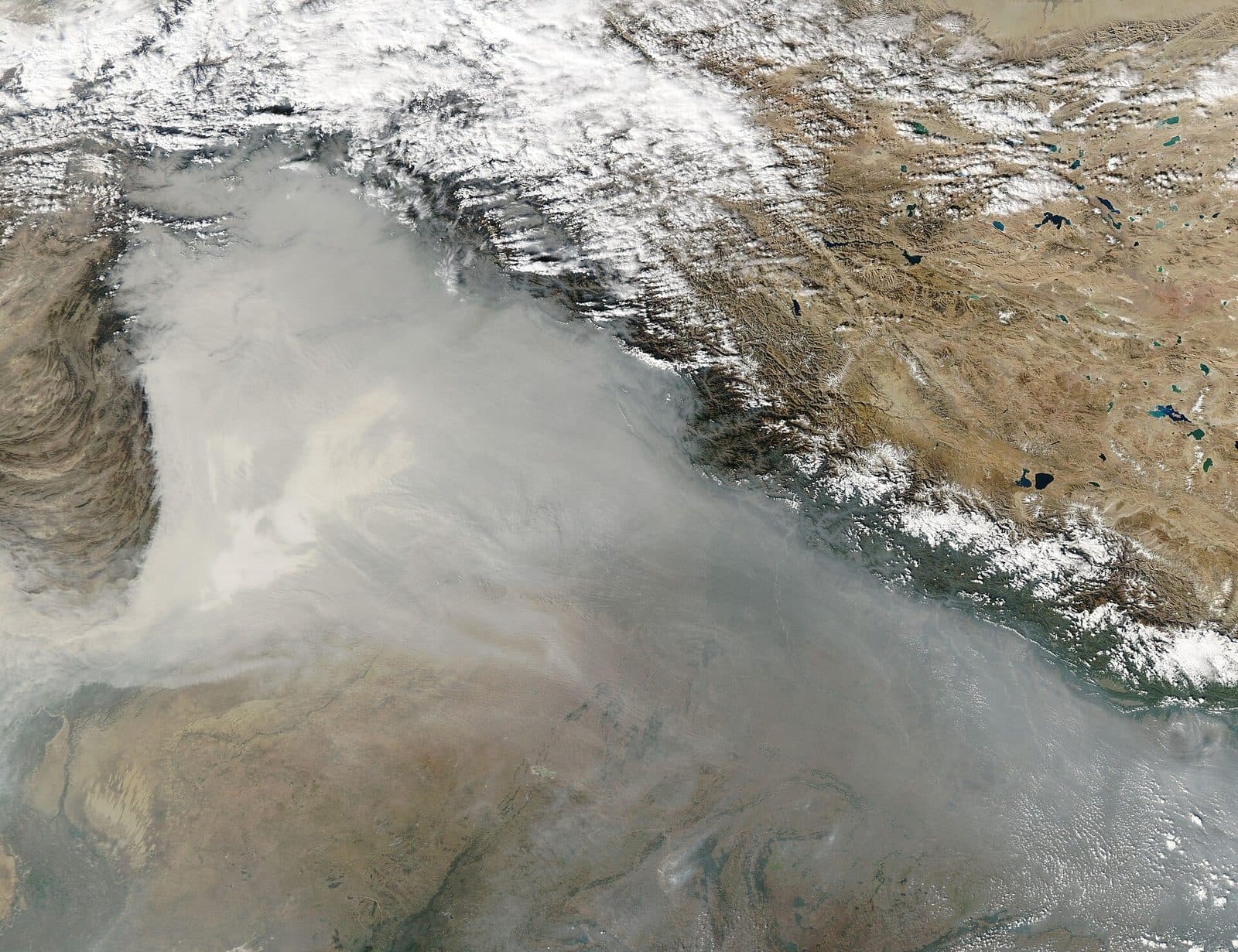
On 2 November, NASA satellites identified 488 fire incidents within 300 km of Lahore, 204 of them within 100 km. Whether smoke from those fires reached the city was not confirmed.
Over the past year, PM2.5 on normal days averaged 65.2 micrograms, 4.3 times the WHO limit. November and December were the worst months, with PM2.5 up to 237.7 micrograms per cubic metre. Causes cited include vehicles and other local sources, fires, crop residue burning, dust and winter weather.
Why it matters
Residents of Lahore breathed air rated very unhealthy or hazardous on every day of the week, according to the report. PM2.5 levels were about 14 times the WHO guideline. The report names November and December as the worst months of the year, so the conditions described affect daily life in the city.