Lahore air still hazardous as AQI falls from 489 to 232 in a day
Lahore's average AQI was 489 at 9 am on 9 November and 232 by 3 pm, according to the Punjab Environment Protection Department. The air remained harmful to health despite the fall.
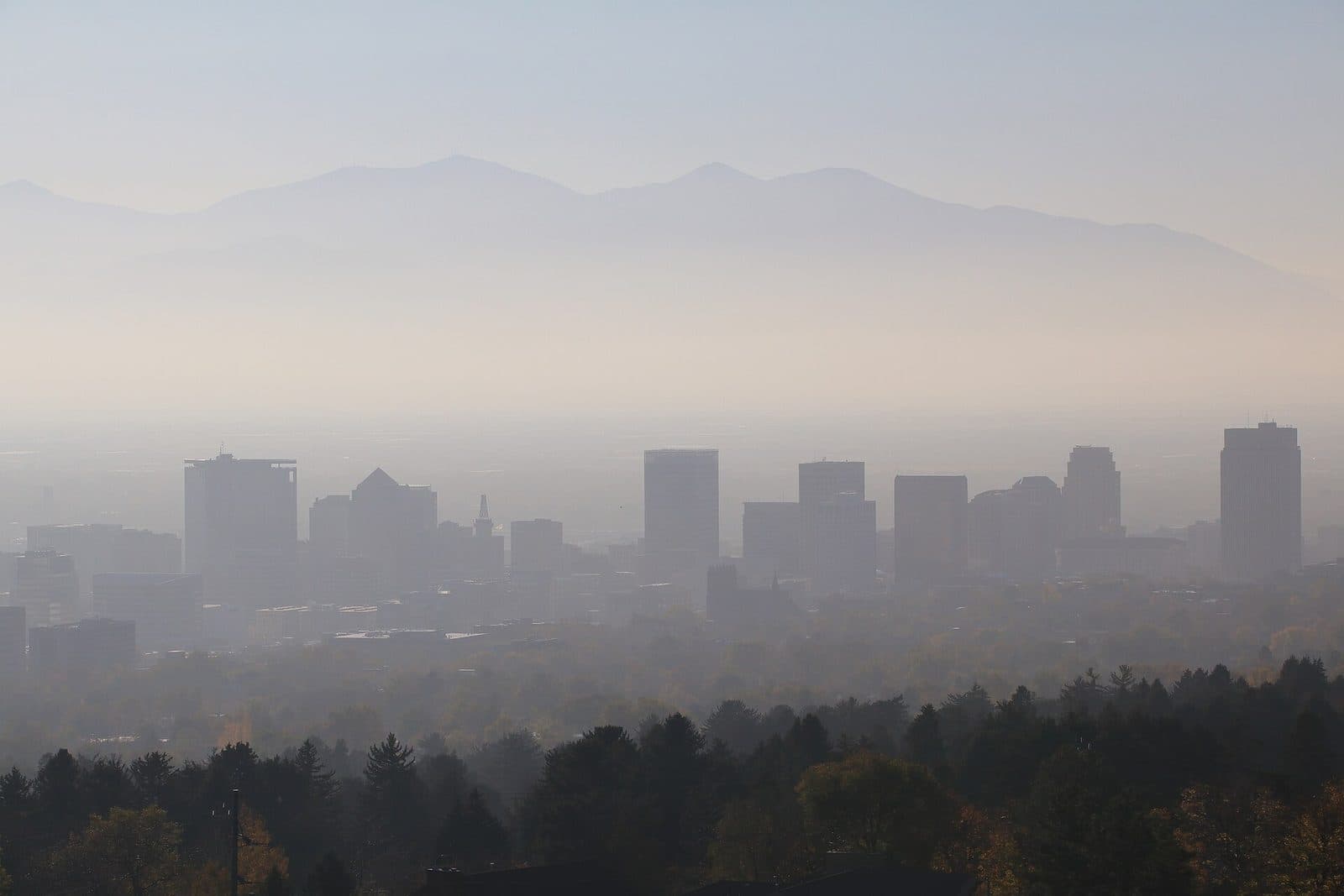
- Lahore's average AQI fell from 489 at 9 am to 232 at 3 pm on 9 November.
- Lahore's average PM2.5 for 2 to 8 November was 214 micrograms per cubic metre, 14.3 times the WHO guideline.
- Multan ranked most polluted among surveyed cities, with Lahore second.
- Experts say smog also threatens wildlife.
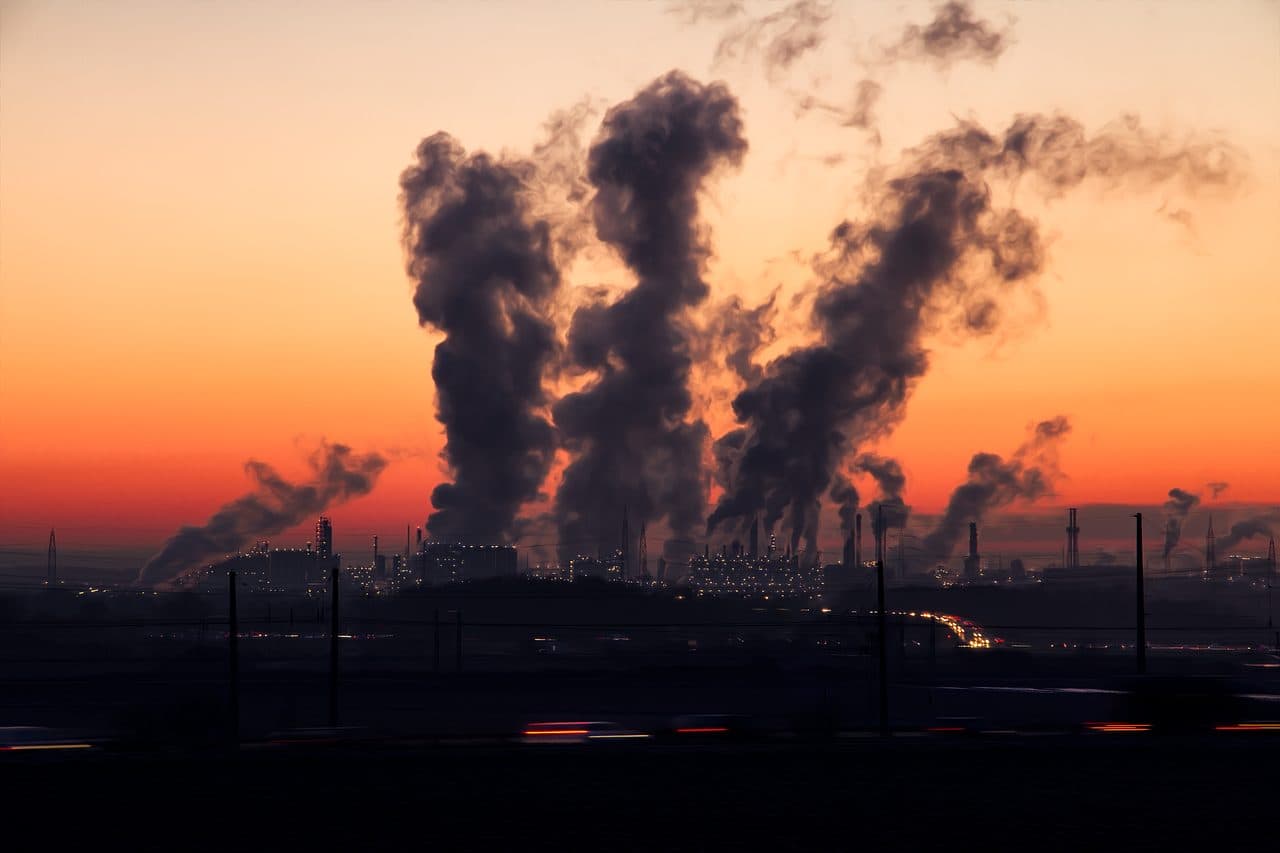
Lahore's air pollution fell sharply within a few hours on Monday 9 November but stayed dangerous to health. The Punjab Environment Protection Department reported that the city's average Air Quality Index (AQI) was 489 at 9 am and 232 at 3 pm.
Punjab Senior Minister Maryam Aurangzeb said AQI fell by 257 points, about 53 percent, in six hours. The reduction was recorded at all 11 monitoring stations in the city. At Egerton Road, AQI fell from over 500 to 167, a drop of 333 points. Drops were also recorded at GT Road (328), DHA Phase 6 (321), Shahdara (317), Barki Road (312) and the Punjab University area (305).
Anti-smog guns and mist spray were used in various parts of the city and along roughly 640 km of routes. Authorities attributed the morning rise in pollution to Diwali fireworks, regional air pollution and polluted winds from across the border. Environment department official Sajid Bashir said mist spray and monitoring continue in high-pollution areas. Express News named the same official as Samaj Bashir.
The PAQI weekly report said Lahore's average PM2.5 from 2 to 8 November was 214 micrograms per cubic metre, 14.3 times the WHO guideline. Multan was the most polluted of the surveyed cities in Pakistan, with an average of 241. Lahore ranked second. Karachi averaged 49 and Islamabad 65, which is 3.3 and 4.4 times the WHO guideline respectively.
PAQI forecasts PM2.5 levels until 11 November of 179 micrograms per cubic metre for Lahore, 123 for Multan, 65 for Karachi and 71 for Islamabad.
Experts say smog and air pollution also threaten wildlife. Lahore had 101 recorded bird species in 1992, falling to 69 in the 2025 survey, a decline of 32 species over 34 years. Officials of the University of Veterinary and Animal Sciences said animal treatment cases rise during the smog season.
Dr Muhammad Azhar, Senior Veterinary Officer at Lahore Zoo, said PM2.5 particles can enter the lungs and cause respiratory diseases. Shahzaib Khurshid, wildlife expert and Lahore Zoo Deputy Director, said urban wildlife is being affected by climate change.
Why it matters for Pakistan
Lahore residents breathed air that remained hazardous even after the afternoon improvement. Particles of PM2.5 can enter the lungs and cause respiratory disease, according to Lahore Zoo's veterinary officer. Multan, the most polluted surveyed city, also faces high levels. The forecast shows PM2.5 in Lahore at 179 micrograms per cubic metre until 11 November.