Khawaja Asif replies to Fazlur Rehman over Tehran talks absence
Defence Minister Khawaja Asif told the National Assembly that no defence agreement was being negotiated in Tehran, so his presence was not needed. He was responding to criticism made a day earlier by JUI-F chief Maulana Fazlur Rehman.
- Asif said no defence agreement was being negotiated in Tehran.
- He said the Tehran activities were outside the defence ministry's jurisdiction.
- JUI-F lawmakers protested and repeatedly interrupted his speech.
Defence Minister Khawaja Asif responded in the National Assembly on Thursday to remarks by JUI-F chief Maulana Fazlur Rehman, who had criticised his absence from talks in Tehran. According to The Express Tribune, Fazl had spoken a day earlier and questioned the government's role in Tehran discussions on the Makkah defence pact while the prime minister and defence minister stayed in Pakistan.
Asif said no defence agreement was being negotiated in Tehran and that his presence there was therefore not required. Daily Jang reported he said no defence-related matter concerning Pakistan was under discussion and that the Tehran activities fell outside the defence ministry's jurisdiction. He said he took part, as defence minister, in both recent defence agreements, but had no role in the Tehran discussions.
Asif said Field Marshal Asim Munir, Chief of Defence Forces and Chief of Army Staff, played a role in promoting reconciliation and regional peace. According to Daily Jang, he said the Field Marshal went to Tehran as a messenger of peace and helped stop a war. He added that the Yemen dispute could have worsened, that Pakistan's and the Field Marshal's role should be acknowledged internationally, and that positive results would emerge in the Middle East in coming days.
Asif thanked Fazl for his concern about his absence but called the criticism misplaced. He said Fazl had overlooked his own record of cooperation with successive governments, having served as opposition leader and taken part in governments formed under earlier arrangements. He said the two had been allies in forming earlier coalition governments and had jointly moved a no-confidence motion.
Asif questioned Fazl's performance during his decade as chairman of the parliamentary Kashmir Committee, saying he enjoyed official privileges without meaningful results. He also criticised Fazl's role during the Legal Framework Order period and questioned the JUI-F's historical position on Pakistan's independence. Daily Jang reported he also asked why Fazl visited Afghanistan and accepted an invitation there.
Asif said: "I am the only politician who has apologised for his past." He also said: "They have turned religion and politics into a source of income. If I start revealing what they did during the PDM government, I will tell everything." According to Daily Jang, he said Fazl had taunted him about shame and modesty, and that the army had defeated the enemy while Fazl was stingy in praising it.
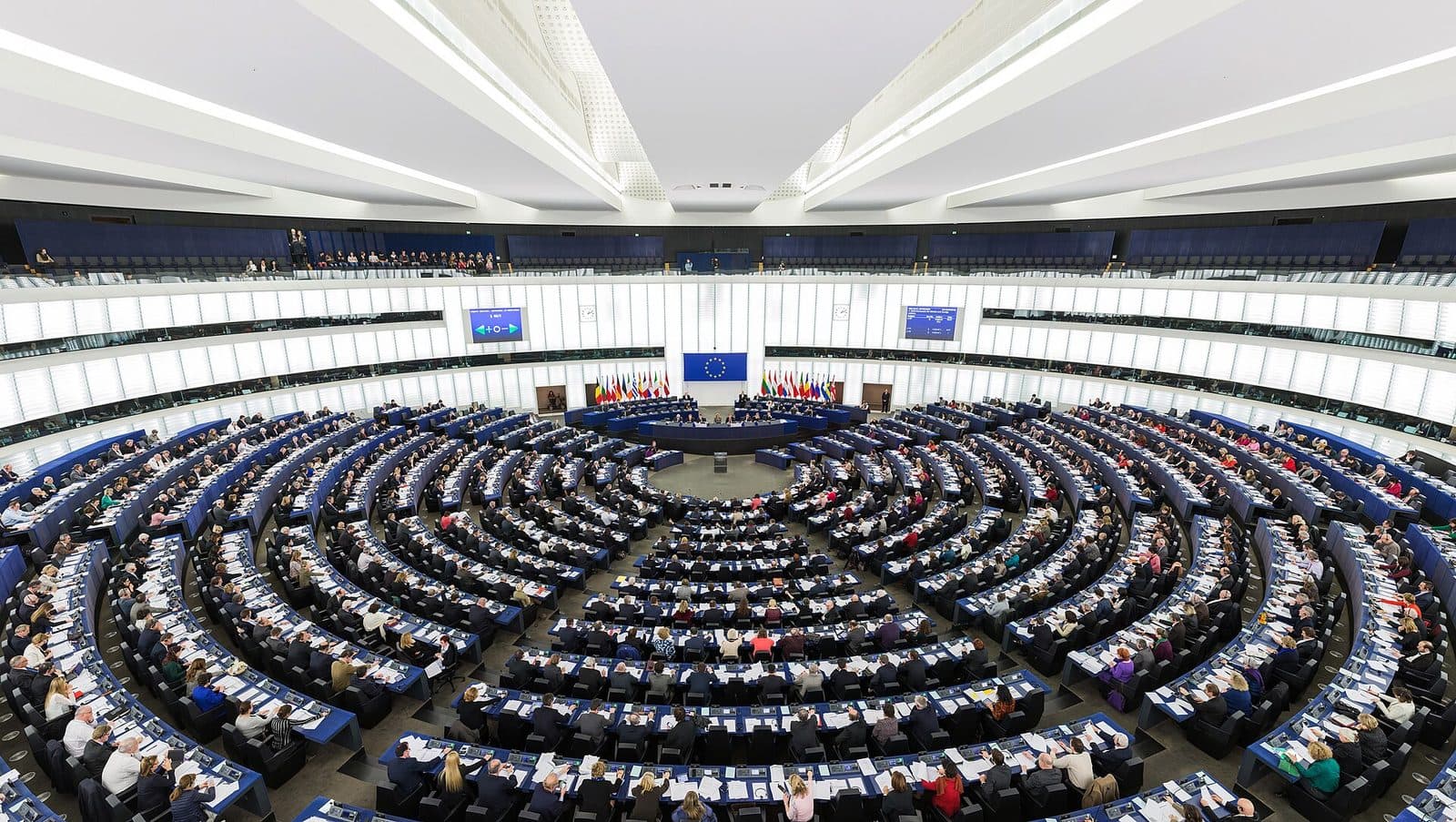
JUI-F lawmakers protested and repeatedly interrupted the speech. Asif warned opposition members against provoking him into further disclosures. Daily Jang reported he said he had tried to keep matters from worsening and urged the country to unite on defence.
Why it matters
The exchange is part of the political debate in Pakistan over the country's dealings with Iran and the government's role in regional diplomacy.