Israelis vote in record numbers in election seen as test for Netanyahu
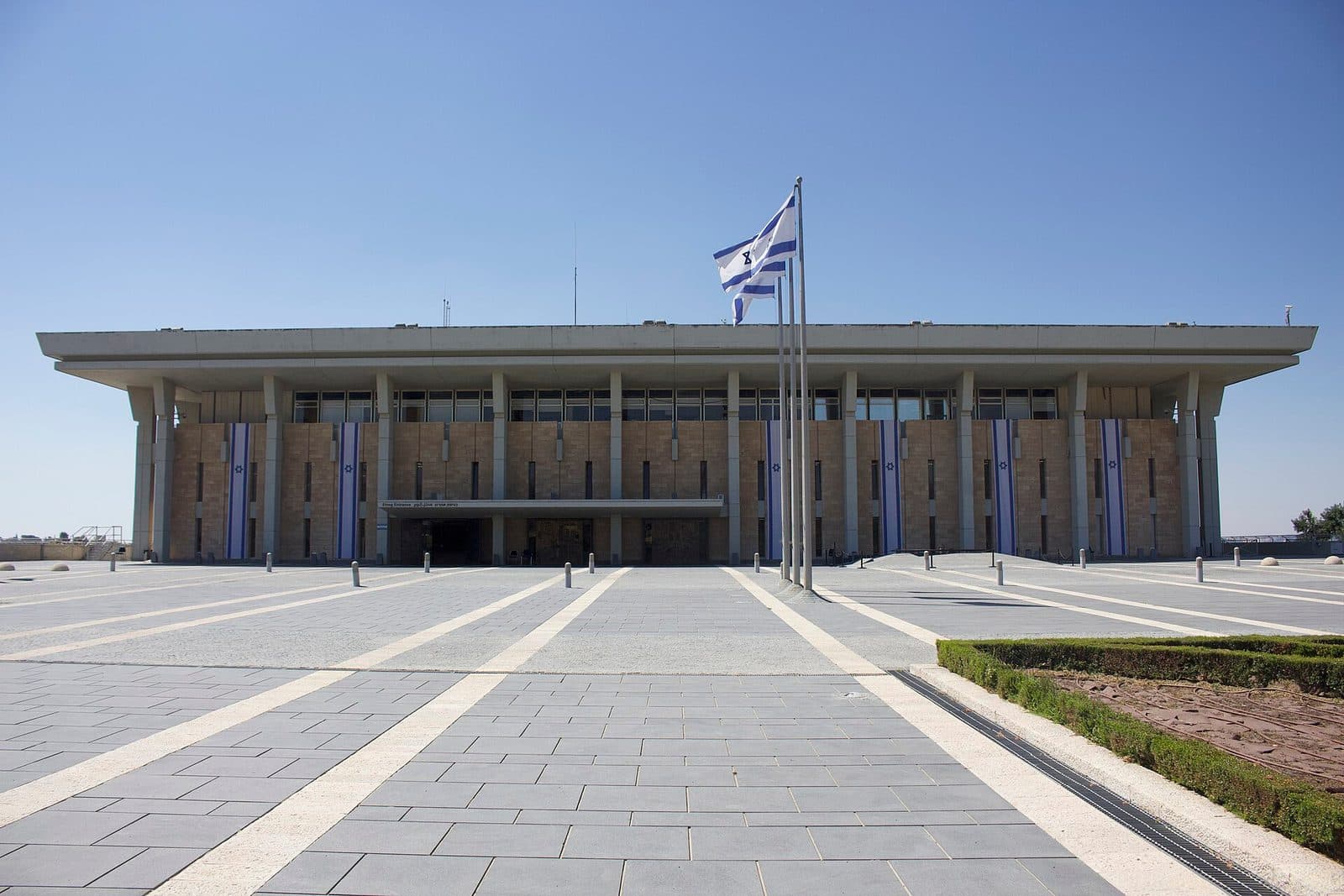
Israelis voted on Tuesday, October 27, in their first general election since the Hamas attack of October 7, 2023. Anadolu reported turnout of 44.9% after seven hours, the highest since 1973.

- Israel held a general election on Tuesday, October 27, the first since the October 7, 2023 attack.
- Anadolu reported 44.9% turnout after seven hours, with more than 3.29 million votes cast.
- Netanyahu faces a tight contest with former military chief Gadi Eisenkot.
Israelis voted on Tuesday, October 27, in a general election widely described as a test of Prime Minister Benjamin Netanyahu's hold on power. It is the country's first national election since the Hamas attack of October 7, 2023, which led to the war in Gaza, according to CBS News.
Anadolu Agency reported, citing an election commission official, that turnout reached 44.9% after seven hours of voting. More than 3.29 million voters had cast ballots nationwide as of 2 pm (1200 GMT). Anadolu said this was the highest turnout at that stage since 1973. Earlier, France 24 had cited turnout of 16.7% four hours after polls opened.
Netanyahu cast his own ballot on Tuesday, France 24 reported. The channel said voters outside polling stations voiced opposition to him. Arab News said he faces stiff competition and an uncertain political future.
DW described the race as a tight duel between Netanyahu and Gadi Eisenkot, a former chief of staff of the Israel Defense Forces who leads the centrist party Yashar, which DW called the front-runner.
US President Donald Trump endorsed Netanyahu in an online post, calling him a "warrior prime minister". DW quoted him as saying that if Israel has anyone other than Netanyahu as leader, America would have to do the work on Iran itself, and that he was not inclined to do so.
The conflict with Iran has shadowed the vote. DW cited the Financial Times as reporting that the Israeli military planned new strikes on Iran around October 10, but that Trump opposed escalation before the US midterm elections on November 3. The Jerusalem Post later reported that the army had no specific directive for such an operation.
Raz Zimmt of the Institute for National Security Studies told DW that the differences among Israeli factions on the Iranian threat are minor. He said any escalation depends more on the US president than on who leads Israel, and he expects no dramatic change in policy toward Iran whatever government forms. His colleague Danny Citrinovitch also expects no fundamental change.
Why it matters
Israel's government shapes the Gaza and wider Middle East conflict that Pakistanis follow closely. DW's reporting also notes that talks on Iran were held in Islamabad.